Quick answer: How do I optimize for Valentine's Day SEO in 2026?
-
Embrace GEO (Generative Engine Optimization): Use detailed schema markup so AI models like Gemini and ChatGPT can pull your live pricing and stock status into their recommendations.
-
Target Inclusivity: Move away from binary "him/her" categories; focus on "Self-Love," "Pet Valentine's," and "Galentine's" to capture rising search volumes.
-
Technical Speed: Ensure your site can handle the "Saturday Rush" (Feb 14, 2026) with sub-second loading times to prevent bounce rates.
-
Social Search: Optimize UGC, and TikTok and Reels captions to appear in Google's short-video carousels.
Technical SEO: The must-have foundation
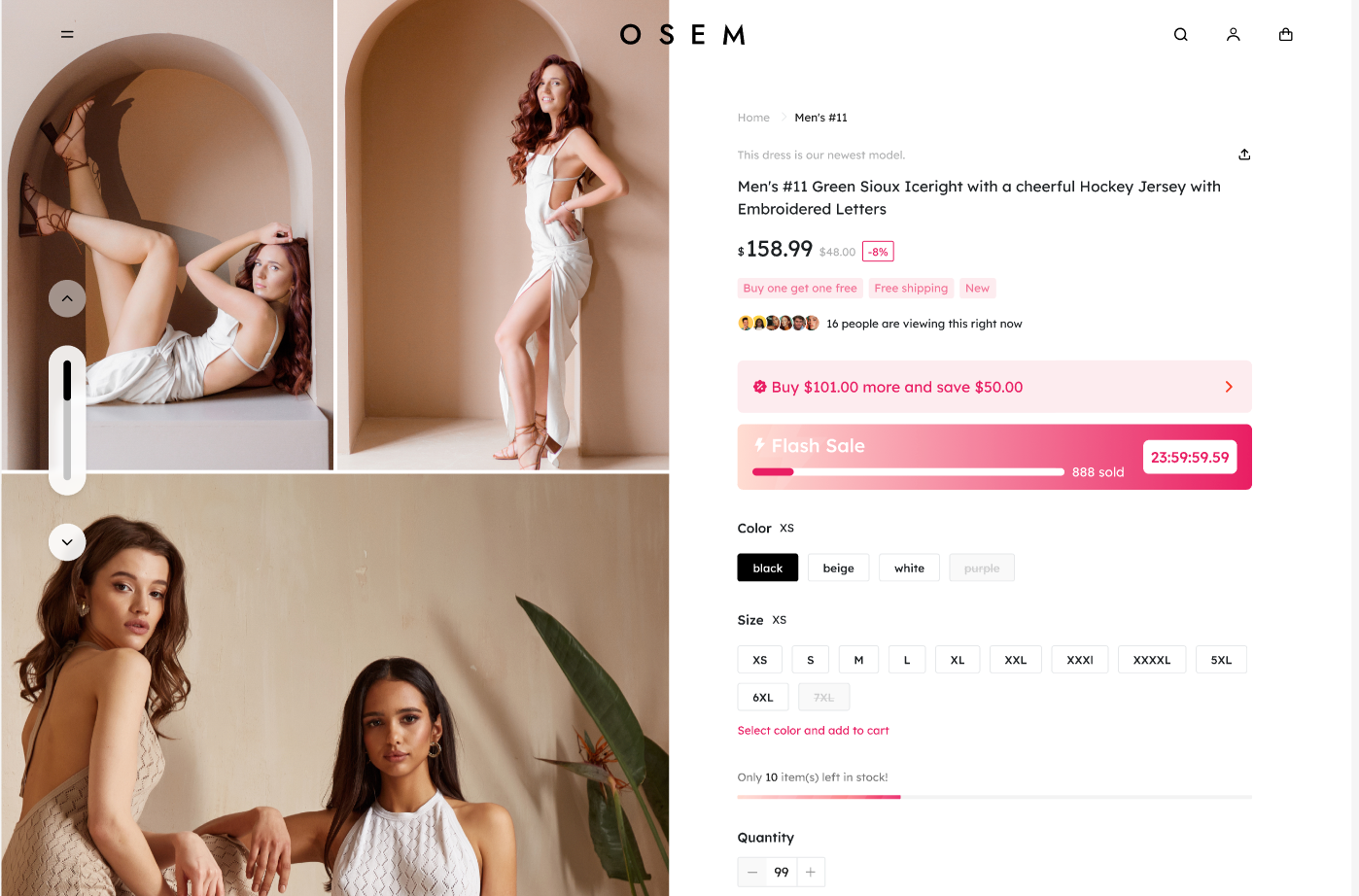
Prioritize core web vitals
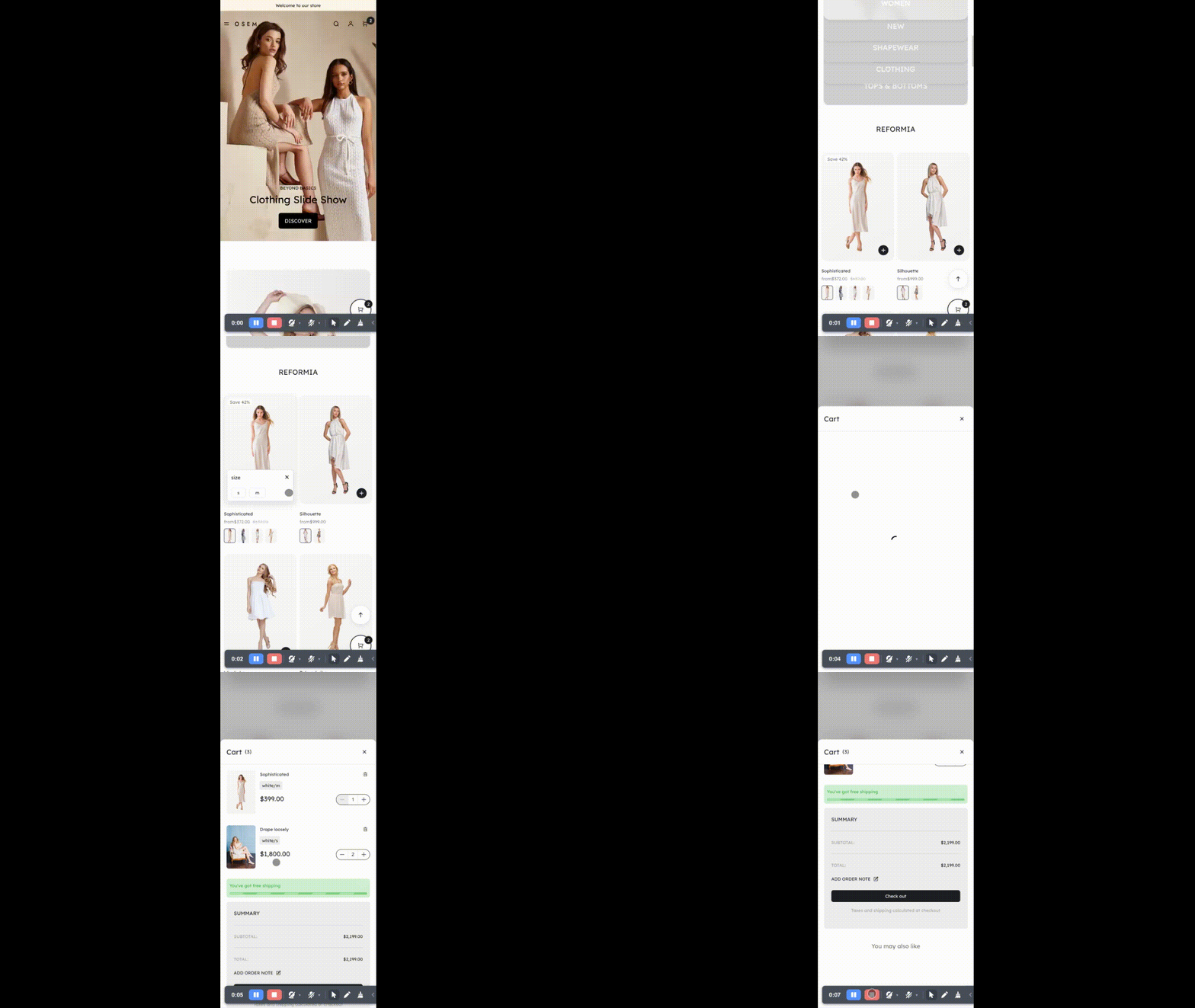
Mobile-first is now mobile-only
Build authority with internal links
Don't ignore nofollow links
-
Use for editorial citations: link to trusted resources, press mentions, or gift inspiration pages.
-
Use rel="sponsored": for paid placements, affiliate links, or influencer partnerships.
-
Use rel="ugc": for user-generated content like reviews, comments, or forum posts.
-
Keep permanent URLs for key seasonal pages: link to /valentines-day year-round.
-
Encourage natural sharing: authentic social and blog mentions drive high-intent referral traffic.
Content strategy: Win the ranking and AI Overview
Write niche gift guides (the long-tail goldmine)
-
"Sustainable Valentine's gifts for long-distance partners": Targets the 78% of U.S.-based buyers who now prioritize eco-friendly sourcing, according to Printing Inpressions data.
-
"Non-binary Valentine's ideas for 2026": Capitalizes on the massive shift toward inclusivity, especially among Gen Z, where traditional binary gifting is being replaced by gender-neutral expressions of love.
-
"Valentine's gifts for dogs under $20": Taps into the booming "Pet Valentine" economy; pet owners spent a staggering $1.5 billion on their furry companions last year, with 62% of dog owners planning to buy a gift this season.
-
Reddit (e.g., r/GiftIdeas, r/RelationshipAdvice, r/ValentinesDay, r/gifting): Scan comments for "What do I get someone I've only been dating for 3 weeks?" This reveals a gap for "low-pressure" gift guides.
-
Quora: Look for recurring questions like "How can I celebrate Valentine's Day on a budget without it feeling cheap?" to fuel your "Affordable Luxury" content.
-
Instagram & TikTok: Watch for "Anti-Valentine" or "Galentine's" hashtags. Data from eRank highlights a significant surge in "Self-Love" and "Friendship" searches, reflecting a cultural shift toward broader definitions of celebration.
-
LinkedIn: Search for "corporate gifting trends 2026" to find inspiration for professional or "desk-buddy" Valentine's ideas, which are increasingly common in hybrid work cultures.
Optimize your pages
-
Meta Title and Description: If you need to market specific pages, highlight seasonal promotions with clear titles within 60 characters and meta descriptions within 156-160 characters.
-
Homepage: Add seasonal modules beneath the main banner or within product collections to showcase Valentine's promotions, highlight top gifts, and allow shoppers to quickly navigate to niche categories.
-
Product Collections: Organize by niche gifts (e.g., sustainable, non-binary, pet-friendly). And ensure your "Valentine's Collection" page has a clear summary at the top, such as: "Our 2026 Valentine's collection features sustainable, hand-crafted jewelry and pet-friendly treats, with guaranteed delivery by Feb 12th."
-
Category Pages: Include structured text describing product features, benefits, and occasions.
-
Individual Product Pages: Add descriptive, long-tail titles, bullet features, and SEO-friendly images with alt text.
Add schema
-
Product Schema: Ensures AI correctly displays your price, currency, and real-time stock status.
-
FAQ Schema: Directs the AI on how to answer common customer questions, such as shipping cut-offs or return policies. This "structured clarity" makes your brand significantly more likely to be cited as a trusted source in AI-generated gift recommendations.
Add author bios to the blog
-
Professional Title & Role: Your position (e.g., "Senior Lifestyle Curator" or "Sustainable Gifting Specialist")
-
Proof of Experience: A "lived experience" statement, such as "With over 10 years of experience testing eco-friendly jewelry" or "Having curated 50+ localized gift guides for long-distance partners."
-
Relevant Credentials: If available, list academic degrees, industry certifications, or professional awards that validate the author's authority in the specific niche.
-
Links to Digital Footprint: Provide links to the author's LinkedIn profile or other authoritative publications where they have been featured. This helps Google's Knowledge Graph verify that the author is a recognized "Entity."
-
Personal "Hot Take" or Philosophy: Your unique belief or stylistic preference (e.g., "Believes that a gift's packaging is just as important as the item itself"). This distinguishes the human voice from generic, neutral AI output.
-
Author Photo: Use a high-resolution, professional headshot to humanize yourself and improve engagement.
Social SEO: The bridge to rankings
TikTok and Reels as search engines
-
Actionable Advice: Treat the first 125 characters of your caption as a "Hook" for both users and algorithms. Naturally weave in keywords like "Last-minute Valentine's gift ideas" or "Sustainable jewelry for her."
-
The Practice: Use on-screen text and spoken keywords. Since TikTok's algorithm "listens" and "reads" the video content itself, say your target keywords in the first 3 seconds and add a text overlay that mirrors your primary search query.
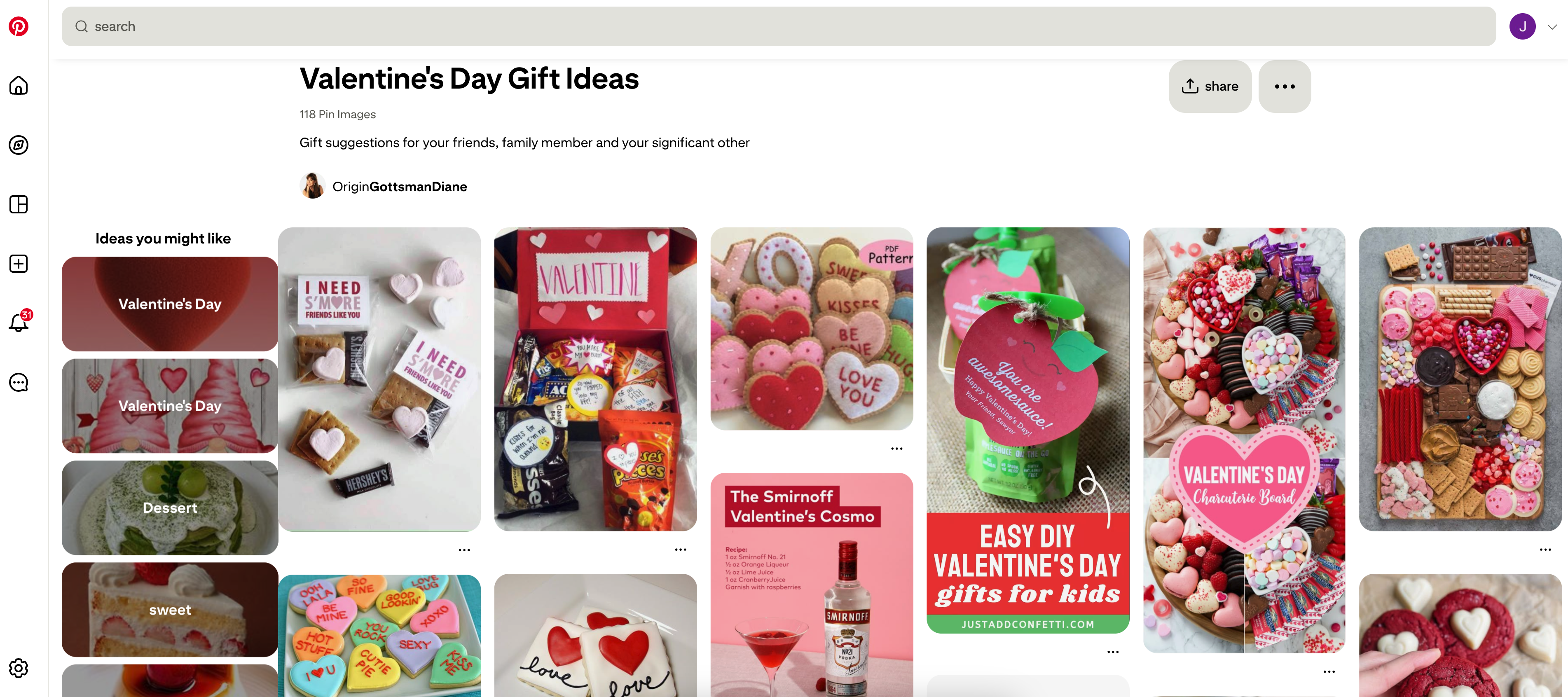
Pinterest as visual support
-
Actionable Advice: Create "Gift Inspo" boards that focus on 2026 aesthetics like "Vamp Romantic" or "Glint & Glam."
-
The Practice: Every Pin should link back to your permanent /valentines-day landing page. You may use descriptive, keyword-rich titles for your Boards and Pins to help them show up in both Pinterest search and Google Image results. Besides, you can use Pinterest Pin-It by Plumspace to add a "Pin It" button to your product or image gallery on your store, so visitors can save what they love directly to Pinterest.
Google Business Profile as an expert
For businesses with a local presence or local delivery, your Google Business Profile (GBP) is your secret weapon. Optimized profiles capture the "near me" traffic that peaks in the 48 hours before the holiday.
- Actionable Advice: Update your "Attributes" to highlight relevant services like "Curbside Pickup" or "Same-Day Delivery."
- The Practice: Use GBP Posts to announce limited-time offers. Upload fresh, geotagged photos of your Valentine's displays or products weekly starting in January. High-quality original images follow a 1200×900 pixel guideline and can significantly increase your "Local Pack" ranking.
UGC as social proof
Gen Z and Gen Alpha have a built-in "BS detector" for traditional advertising. Data from Lomit Patel shows that 88% of Gen Z trusts peer recommendations over polished brand ads. "Reddit-style" authenticity—messy, honest, and human—may be the top conversion factor in 2026.
- Actionable Advice: Encourage customers to share their unboxing experiences on Instagram (INS) and Facebook (FB) using specific Valentine's Day SEO tags like #SelfLove2026, #SustainableGifts, and #GalentinesDay.
- The Practice: Curate this user-generated content (UGC) and embed it directly onto your product pages. Seeing a real person on a smartphone screen wearing your jewelry or using your product provides more "Trust Juice" than a million-dollar studio photoshoot.
The post-Valentine's pivot (the "retention" gap)
Success isn't just Valentine's Day itself; it's what happens after. Brands often lose momentum after Feb 14. The key is bridging shoppers into upcoming triggers—Eid, Easter, April Fool's, wedding season, and more—without seeming pushy.
You may use post-purchase "thank you" sequences to segment your audience. If a customer bought a self-love kit, tag them for "Spring Wellness" promotions. If they bought jewelry, pivot to "Mother's Day Early Access."
Also, implement a "Spring Refresh" quiz on your Valentine's exit pages. Not only does this keep the user on-site, but it also collects data for hyper-personalized email campaigns in March and April.
When the holiday ends, deleting your Valentine's banners or unpublishing pages can lead to 404 errors and a sudden drop in site authority. You can:
- "Soft Sunsetting": Instead of removing your Valentine's landing page, "pivot" it. You may replace the high-intensity sales banners with evergreen content, such as "The Year-Round Gift Guide for Couples" or "Sustainability in Gifting."
- Maintain the URL: Keep your yoursite.com/valentines-day URL active, but remove it from the main header navigation. You can keep it alive in the footer, and preserve all the backlinks and "rank power" you earned.
- The Redirect Rule: Only use a 301 redirect if a specific product is permanently discontinued. Redirect it to the most relevant category page (e.g., "All Jewelry") to ensure the user—and Google's crawler—doesn't hit a dead end.
SEO checklist for Valentine's Day
- [ ] Ensure your /valentines-day landing page or collection page is live and indexed now.
- [ ] Test your website with PageSpeed Insights to identify your site speed and Core Web Vitals.
- [ ] Optimize your mobile UX and checkout flow that is "one-handed" friendly and supports one-click digital wallet payments.
- [ ] Add Product and FAQ structured data so generative engines can pull your key information.
- [ ] Publish at least 3-5 niche gift guides, such as "Self-Love Kits," "Sustainable Gifting for Long-Distance," or "Pet Valentine's Ideas."
- [ ] Include author bios to blog posts to differentiate your content from AI-generated "slop."
- [ ] Optimize TikTok and Reels captions with target keywords to appear in Google's "Short Videos" carousel.
- [ ] Create Pinterest gift boards and launch high-quality pins linking to your seasonal guides.
- [ ] Embed real customer reviews and images on the homepage to build trust with shoppers.
- [ ] Prepare a content update or 301 redirect strategy for February 15th to transition traffic into the next holiday or seasonal sales.
Conclusion
Winning at SEO tips for Valentine's Day in 2026 is no longer about "gaming" the system—it's about providing the fastest, most inclusive, and most authentic experience possible. By moving beyond traditional keywords and embracing AI search visibility, you can turn a one-day holiday into a long-term growth engine for your brand. Stay transparent, stay fast, and most importantly, stay human.
FAQs about Valentine's Day SEO
Q1: Does traditional keyword research work now?
Yes, it isn't dead, but it has evolved into Intent Mapping. AI agents (ChatGPT/Gemini) don't just look for "red roses"; they look for "sustainable flowers made of recycled materials." As a merchant, your goal is to stop thinking about what people type and start thinking about the problems they are solving. You may use tools like Semrush, Ahrefs, or social media comments to find "natural language" queries, and ensure your product descriptions answer them directly.
Q2: Will my Valentine's Day traffic drop because of "Zero-Click" searches?
It's a real risk if your content is generic. AI often provides the answer (e.g., "What is a good 10th-anniversary gift?") directly on the search page. To win the click, you must offer Unique Value that a bot can't replicate, such as interactive gift-finder quizzes, exclusive bundles, or authentic video unboxings. If you provide "Information Gain" (something new the AI hasn't seen elsewhere), you remain the destination.
Q3: How does schema markup help with AI search?
Schema markup provides structured context that helps AI systems clearly understand your content. By adding Product and FAQ schema, AI agents can accurately extract prices, features, and selling points, improving eligibility for rich results and AI Overviews while reducing misinterpretation or outdated information.