Have you ever noticed how your morning scroll through a social feed often ends with a "Your order is confirmed" email landing in your inbox? You aren't alone. Now, the line between "socializing" and "shopping" has effectively disappeared. We no longer visit a mall to browse; the mall follows us into our pockets, curated by algorithms that know our style better than our best friends do. For any business owner, staying competitive means meeting customers where they already are. A dedicated social ecommerce platform becomes the new standard for digital retail. In this guide, we will break down the top 14 platforms and builders that can turn your followers into a loyal customer base.
Key takeaways
-
Omnichannel is Mandatory: Success in 2026 requires syncing your inventory across multiple social shops and a central web builder. Real-time synchronization is the only way to prevent overselling and maintain brand reputation during viral peaks.
-
Video is the Primary Sales Tool: TikTok Shop and Instagram Reels have become the highest-converting formats, currently accounting for over 42% of the social market share. If you aren't selling through short-form video, you are missing nearly half the market.
-
B2B Social Commerce Hubs: Platforms like LinkedIn, X (Twitter), and Reddit have transformed into high-ticket engines. These are best for closing complex deals via lead-gen forms, professional white papers, and community-based expert authority.
-
B2C Social Commerce Powerhouses: TikTok, Instagram, Facebook, and Pinterest dominate the consumer space. These platforms excel at "impulse logic," using visual storytelling, AR try-ons, and influencer reviews to drive rapid retail transactions.
-
Integrated Ecosystems: To avoid "platform risk," connect your social shops with a robust central website like Shoplazza or BigCommerce. This allows you to sync inventory in real-time and own your valuable customer data.
What is social ecommerce platform?
A social commerce platform is a digital ecosystem where social interaction and retail transactions live in the same space. Unlike traditional online shopping, where a social post acts merely as a digital billboard to drive traffic elsewhere, social commerce allows the entire customer journey—from discovery to checkout—to happen without the user ever leaving the app.
This model is thriving because it capitalizes on "discovery-based" shopping, moving away from the intent-driven search bars of the past. According to Statista, global social commerce sales are projected to reach $1.2 trillion by 2025 and are on track to hit $2.9 trillion by 2026. In the U.S. alone, social commerce sales are expected to surpass $100 billion in 2026, driven largely by the massive adoption of TikTok Shop and Instagram Checkout (eMarketer). Consumers are no longer "going shopping"; they are simply shopping while they scroll.
Benefits of social media for ecommerce
-
Frictionless Checkout: By using stored payment and shipping info within the app, platforms reduce the "cooling-off" period, significantly lowering cart abandonment rates.
-
Social Proof & Trust: Integrated reviews and User-Generated Content (UGC) act as immediate validation. In 2026, 82% of shoppers say social media reviews are their primary influence before buying.
-
Direct Engagement: Brands can pivot from "broadcasting" to "conversing" by answering product queries in real-time via DMs or live streams, building a human connection that a static website cannot.
-
Viral Sales Velocity: A single trending video can generate more sales in 24 hours than months of traditional SEO efforts, as algorithms prioritize high-engagement shoppable content.
Differences between social commerce and ecommerce
The primary difference lies in the starting point of the consumer journey. Traditional ecommerce is "intent-based"—the user typically has a specific item in mind, goes to a search engine or a dedicated website (like Amazon or a brand's DTC site), and filters through results to find the best match. In this model, the brand owns the entire technical environment, from the page layout to the checkout flow, providing a "pull" experience where the customer is drawn into a controlled shopping funnel.
Social commerce, by contrast, is "discovery-based" and community-driven. It blurs the line between entertainment and utility by surfacing products directly in a user's social feed based on their engagement habits. Instead of the customer seeking the product, the product "finds" the customer through an algorithm. While you lose some control over the checkout branding, you gain massive exposure and a "compressed" funnel where awareness and purchase happen almost simultaneously. While traditional ecommerce excels at high-intent, complex, or research-heavy purchases, social commerce is the king of impulse buys and trend-driven growth.
14 Popular social platforms offer ecommerce
As you explore these options, remember that each platform has a unique "vibe" and audience demographic that will dictate your overall sales strategy.
Tiktok Shop
TikTok Shop has become the undisputed heavyweight of "impulse logic". It leverages a high-octane algorithm that pushes shoppable videos and live streams to users based on their interests rather than just who they follow. Sellers can manage their entire catalog, affiliate collaborations, and fulfillment through the TikTok Seller Center. The platform has effectively turned "Shoppertainment" into a multi-billion dollar industry where a 15-second clip can sell out an entire warehouse in hours.
Best for: High-energy B2C brands in beauty, fashion, and home gadgets. It is the go-to for brands targeting Gen Z and Millennials who prefer video demos over static images.
Features for ecommerce:
-
In-Feed Shoppable Videos: Direct links embedded in short-form clips.
-
Live Shopping Events: Real-time demos with pinned product tags for instant purchase.
-
Affiliate Creator Center: A marketplace to connect brands with influencers for commission-based sales.
-
Shop Tab: A dedicated marketplace within the app for product discovery and search.
Facebook Shop
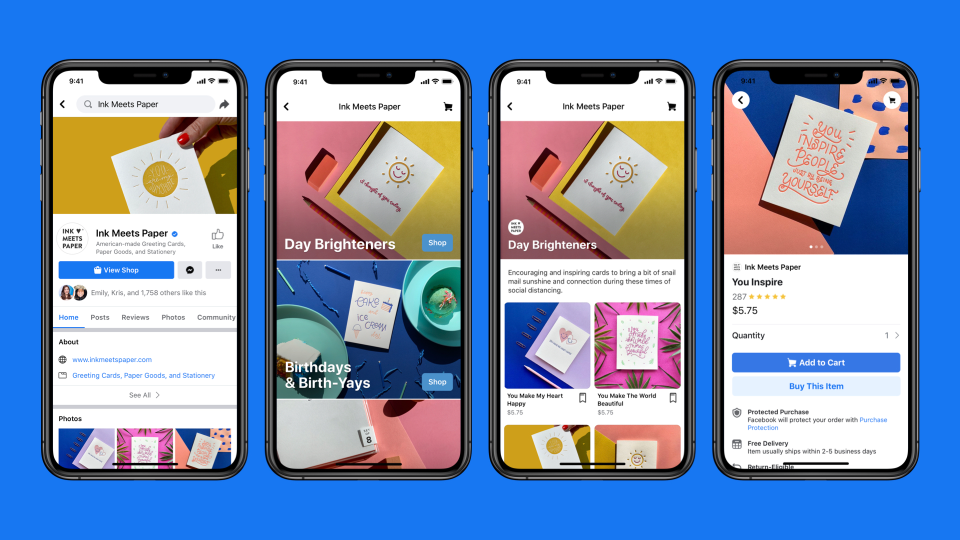
Source from Facebook
Facebook Shop serves as a foundational digital storefront for businesses looking to capture the massive, high-income demographic of the Meta ecosystem. It functions as a seamless extension of your primary website, allowing users to browse full catalogs and complete purchases directly within the app or through Messenger. Merchants typically manage their inventory via Meta Commerce Manager, frequently using "Dynamic Ads" to retarget users who viewed products on their site. By syncing with platforms like Shoplazza or Shopify, businesses ensure their stock levels and pricing remain consistent across all social touchpoints.
Best for: Broad-spectrum B2C retailers, local businesses, and "brick-and-click" stores. It is particularly effective for furniture, home décor, and electronics, catering to a diverse audience ranging from Millennials to Gen X.
Features for ecommerce:
-
Native Storefronts: Fully customizable digital shops that live on your Facebook Business Page.
-
Messenger Shopping: Integrated chat tools that allow customers to ask questions and track orders in real-time.
-
Marketplace Integration: Capability to list professional products alongside local C2C listings for increased visibility.
Instagram has evolved into a high-intent "discovery engine" where visual storytelling meets frictionless commerce. The platform centers on "Reels-based shopping," where short-form videos act as interactive catalogs with tappable product tags. Brands often use Instagram to move customers from the "inspiration" phase to the "transaction" phase through immersive content like AR try-on filters. Successful sellers frequently collaborate with creators to launch exclusive "drops" and host live shopping events, using the platform's advanced AI to suggest the right products to the right users at the peak of their interest.
Best for: Visual-first B2C brands in fashion, beauty, jewelry, and travel. It is the primary platform for targeting Gen Z and younger Millennials who value aesthetic appeal and creator-led recommendations.
Features for ecommerce:
-
Shoppable Reels & Stories: Direct product tagging in video content for a one-tap shopping experience.
-
AR Try-On Filters: Augmented reality tools that let users "test" makeup or accessories before buying.
-
Instagram Checkout: Secure, in-app payment processing that reduces cart abandonment by keeping the journey within the app.
Threads
Threads has emerged in 2023 as Meta's "conversational juggernaut," offering a text-heavy alternative for deep brand storytelling. Unlike the visual saturation of Instagram, Threads focuses on high-trust interactions and community-building through 500-character posts. Brands use the platform for "Conversational Commerce," engaging in authentic dialogues that lead to sales via integrated link sharing and DMs. It is frequently used for "behind-the-scenes" updates, product development polls, and customer service threads, providing a lower-pressure environment that fosters long-term loyalty and high-value conversions from a more engaged, thoughtful audience.
Best for: B2B service providers, high-ticket consultants, and B2C brands focusing on sustainability or community-first values. It is ideal for niche markets where expertise and "brand voice" are the primary selling points.
Features for ecommerce:
-
Conversational Ad Units: Interactive, text-based ads that blend naturally into the user's discussion feed.
-
Integrated DMs: Direct messaging tools that facilitate private sales consultations and order support.
-
Cross-Platform Sync: Seamless integration with Instagram Business accounts for unified catalog and profile management.
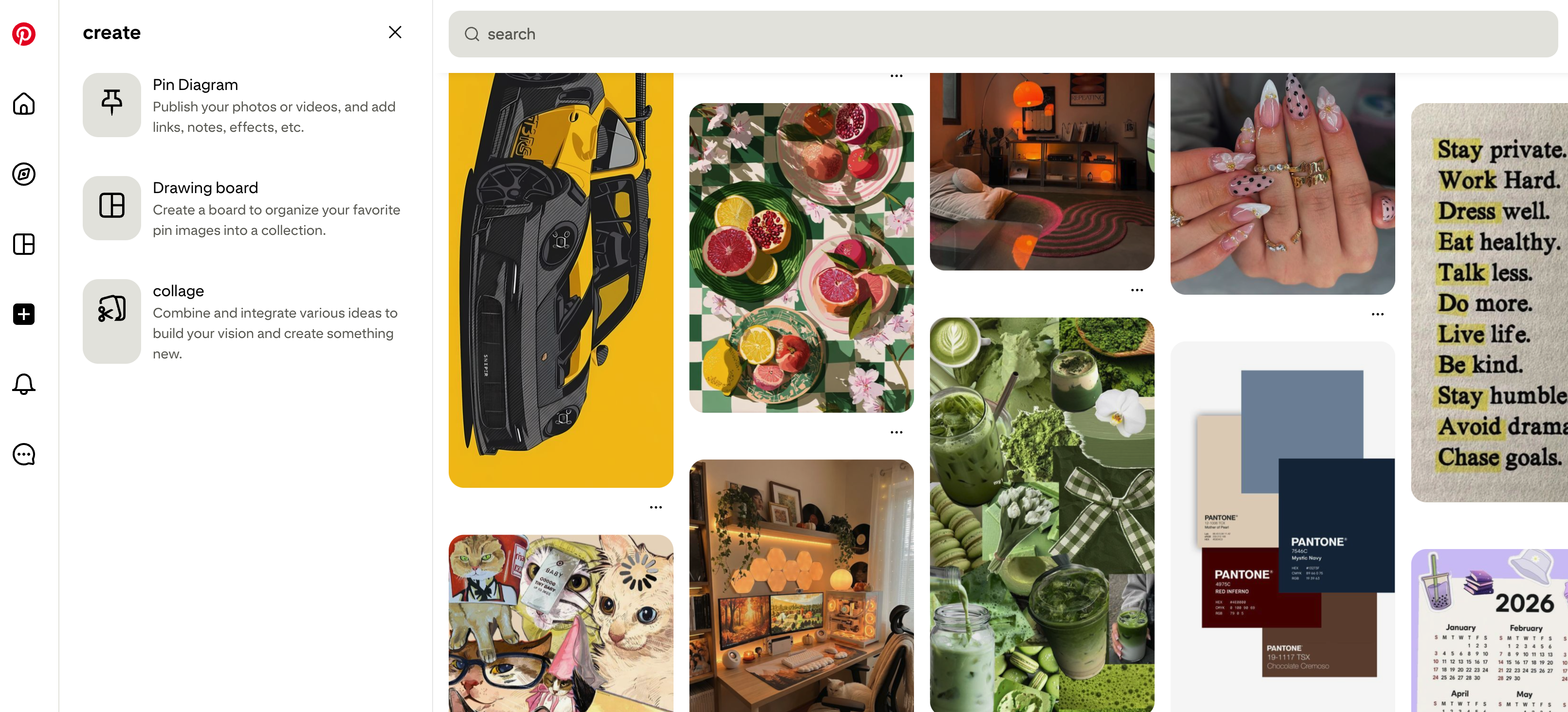
Pinterest is the world's leading visual search engine where shoppers come with high intent to find inspiration for their next purchase. It serves as a "full-funnel" platform, using AI to match users' saved "pins" with real-time product catalogs. Unlike other social networks where content dies quickly, Pins have a long shelf-life, often driving traffic for months or even years. Merchants frequently use Product Pins to display live pricing and availability, allowing users to move from an "idea board" to a completed checkout with minimal friction.
Best for: B2C brands in home décor, DIY/crafts, fashion, and wedding planning. It is ideal for small businesses and makers who want to reach a "high-intent" audience who are actively planning future purchases.
Features for ecommerce:
-
Verified Merchant Program: High-trust badges and exclusive shop tabs for approved retailers.
-
Visual Search Integration: AI tools that let users take a photo to find similar products in your shop.
-
Shopping Spotlights: Curated, editorial-style content that features your products in "lifestyle" contexts.
Reddit has transitioned from a skeptical forum to a high-authority "Trust Engine". Ecommerce success here relies on "Community Commerce," where brands participate in niche subreddits to provide expert advice rather than traditional ads. Businesses often use Reddit to foster transparency through "Ask Me Anything" (AMA) sessions or by sponsoring relevant discussion threads. In a world of AI-generated noise, Redditors value "Human-Verified" expertise, making this the best place to build long-term credibility and earn authentic peer-to-peer recommendations that rank highly in Google and AI search results.
Best for: Technical B2C gadgets, gaming, skincare, and niche B2B software. It is perfect for brands that can lead with value and transparency to reach highly skeptical but loyal hobbyists and professional communities.
Features for ecommerce:
-
Conversation Ads: Promoted comments that appear naturally within active, relevant discussion threads.
-
Product Ads with Real-Time Data: Dynamic ads that show current stock levels and pricing within specific subreddits.
-
Official Brand Profiles: Verified accounts that can "own" a subreddit to provide customer support and community updates.
Xiaohongshu
Xiaohongshu (Little Red Book) is the premier "Lifestyle Bible" for reaching the Chinese market. It is a hybrid of Instagram and Amazon, where commerce is driven entirely by "Notes"—authentic, long-form product reviews and lifestyle sharing. The platform's algorithm prioritizes quality and community trust over follower count. Brands often succeed by seeding products to "KOCs" (Key Opinion Consumers) who create relatable content, which then links directly to the RED Mall for cross-border or local in-app purchasing.
Best for: Luxury B2C fashion, premium skincare, supplements, and mother-and-baby products. It is the "must-have" platform for international brands targeting young, urban, and tech-savvy Chinese women with high purchasing power.
Features for ecommerce:
-
RED Mall Integration: A native cross-border ecommerce marketplace for seamless international shipping and payments.
-
Live Stream Shopping: High-conversion live sessions focused on "educational" product demonstrations.
-
AI-Powered Notes: Advanced recommendation engines that match your products with users based on their specific lifestyle interests.
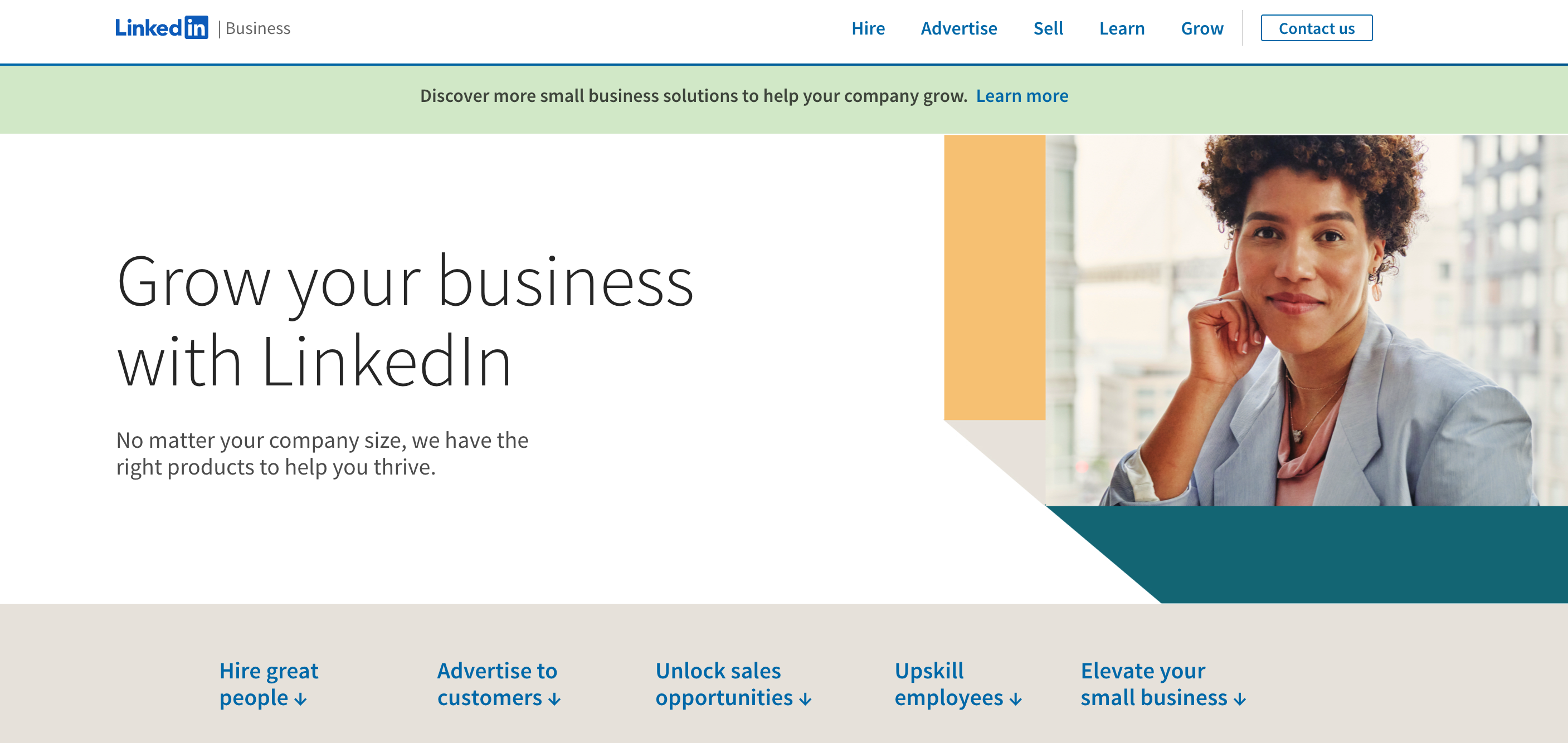
LinkedIn has shed its "job-seekers only" reputation to become the central hub for B2B Social Commerce. It is a high-ticket engine where the "Product Page" serves as a digital storefront for SaaS, professional services, and industrial goods. Ecommerce here happens through "Thought Leadership" and "Collaborative Articles," where sales are initiated via integrated lead-gen forms or direct "Buy" buttons for subscriptions. By leveraging the LinkedIn Collective, brands can sell complex solutions directly to decision-makers within a professional, high-trust environment.
Best for: B2B software (SaaS), professional consulting, high-end education, and industrial equipment. It is designed for companies selling to other businesses or high-level professionals who prioritize ROI and expertise over aesthetics.
Features for ecommerce:
-
Product Pages: Dedicated storefronts within your Company Page for reviews, demos, and direct sales.
-
In-Feed Lead Forms: One-click forms that capture buyer intent directly from sponsored content.
-
LinkedIn Ads with Intent Data: Targeting tools that show your products only to users whose company profile matches your ideal buyer.
YouTube
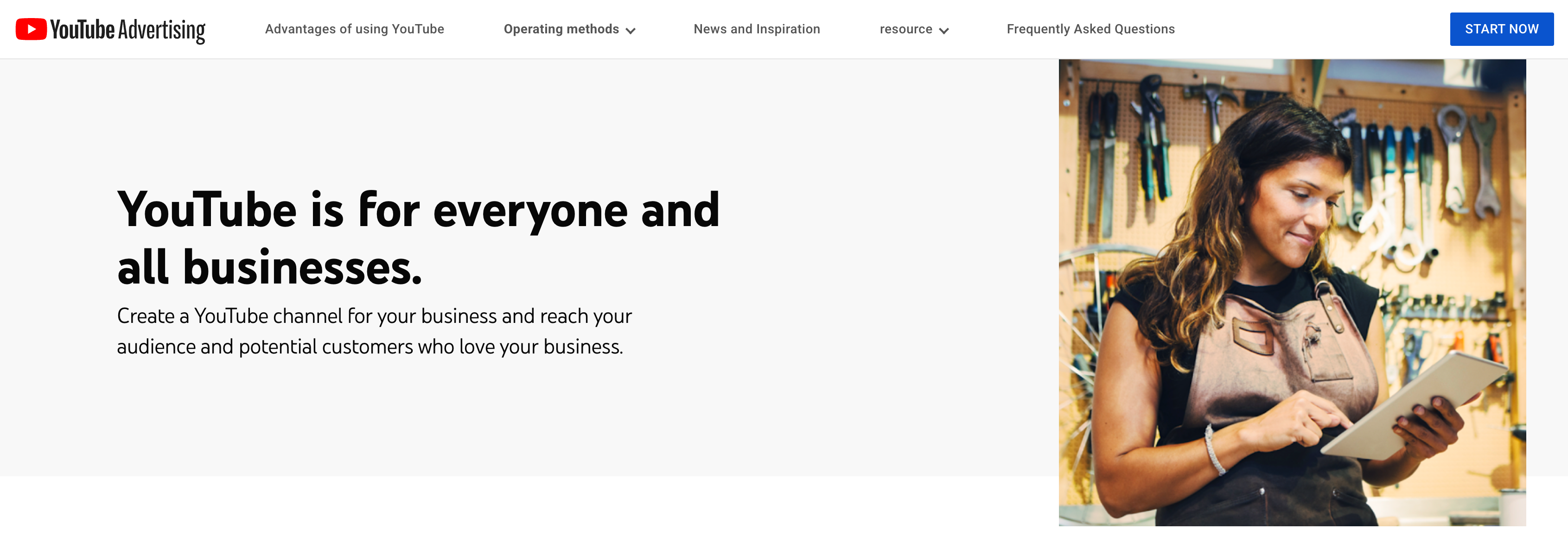
YouTube has solidified its position as the premier platform for "Research Commerce". By integrating in-app checkout, it allows viewers to transition from watching a product review to completing a purchase without leaving the video player. The platform leverages "Shoppable Shorts" and long-form video tags to sync products directly from a brand's CMS. Sellers frequently use the "Creator Partnerships Hub" to connect with influencers who can demonstrate products in high-definition, providing the depth of information that high-intent buyers require before committing to a sale.
Best for: B2C tech gadgets, home appliances, and beauty brands. It is also an emerging hub for B2B companies using educational webinars and "How-to" series to sell complex software or industrial tools to professional audiences.
Features for ecommerce:
-
In-App Checkout: Frictionless payment processing that keeps the user within the YouTube environment.
-
Product Shelves: A scrollable carousel of products displayed directly beneath videos or during live streams.
-
Shoppable Shorts: One-tap product links embedded in viral, short-form vertical content.
-
Dynamic Branded Segments: AI-powered tools that allow brands to swap sponsored content in a creator's back catalog for updated promotions.
X (Twitter)
.png?width=3284&height=1540&name=X%20(Twitter).png)
X has evolved into a real-time "Conversational Engine" that excels at limited-edition drops and tech launches. The platform uses X Analytics 2.0 to provide brands with emotional resonance mapping, helping them understand the exact sentiment behind market trends. Merchants frequently use "Threads" as digital whitepapers to build authority and "X Spaces" as live, interactive shopping broadcasts. It is the go-to platform for brands that want to capitalize on the "now," using rapid-fire dialogue to drive traffic to high-speed checkouts.
Best for: Fintech, consumer electronics, and limited-edition apparel (streetwear). It is a powerhouse for both B2C and B2B brands that rely on "Hype Cycles" and real-time news to drive impulse or strategic purchases.
Features for ecommerce:
-
Shoppable Threads: Snappier, live-linked storytelling formats that act as high-conversion product landing pages.
-
Live Shopping Spaces: Structured broadcast ecosystems where real-time engagement directly influences ad placement and sales.
-
X Merch Store: Native integration for creators and brands to sell physical merchandise directly from their profile.
-
Behavioral Intent Targeting: An AI-native ad model that follows real-time user intent rather than static demographics.
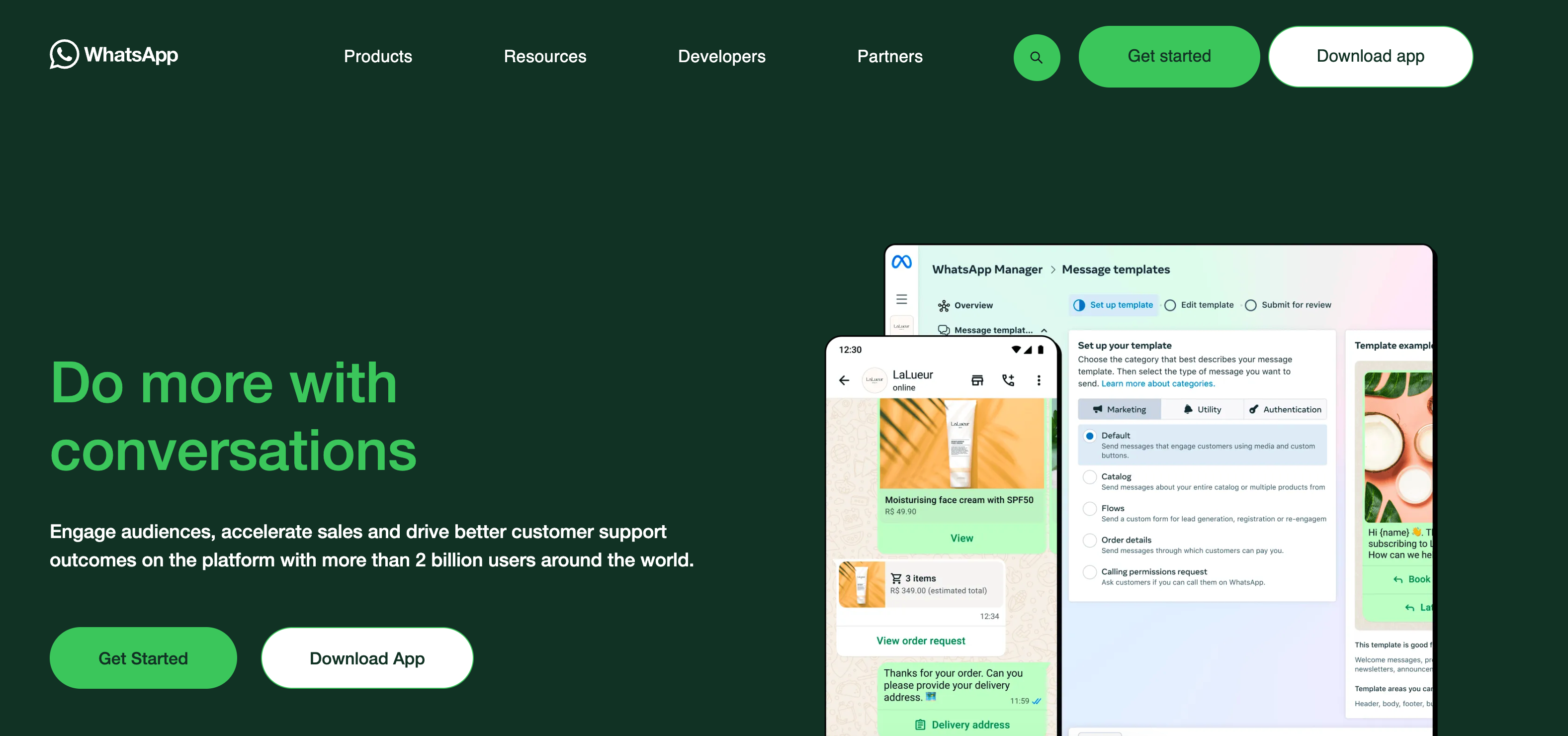
WhatsApp is always the global leader in "Conversational Commerce". It serves as a personalized storefront where the line between chatting and buying is non-existent. Through the WhatsApp Business API, brands can manage end-to-end transactions—from product discovery in a digital catalog to secure in-chat payments. Businesses often use WhatsApp to handle the "Social-to-Service" gap, providing 24/7 automated support that feels personal. It is the ultimate tool for building high-retention relationships through one-on-one, encrypted dialogue.
Best for: Personalized services, luxury boutiques, and subscription-based B2C brands. It is particularly effective for global markets (EMEA, LATAM, and APAC) where customers prefer direct messaging over traditional email or web browsing.
Features for ecommerce:
-
In-Chat Shopping Carts: Allows users to select items and checkout without ever leaving the message thread.
-
Verified Business Catalogs: A digital showcase of up to 500 products with real-time pricing and stock alerts.
-
Cloud API Automation: AI-powered chatbots that handle order tracking, restock notifications, and personalized recommendations.
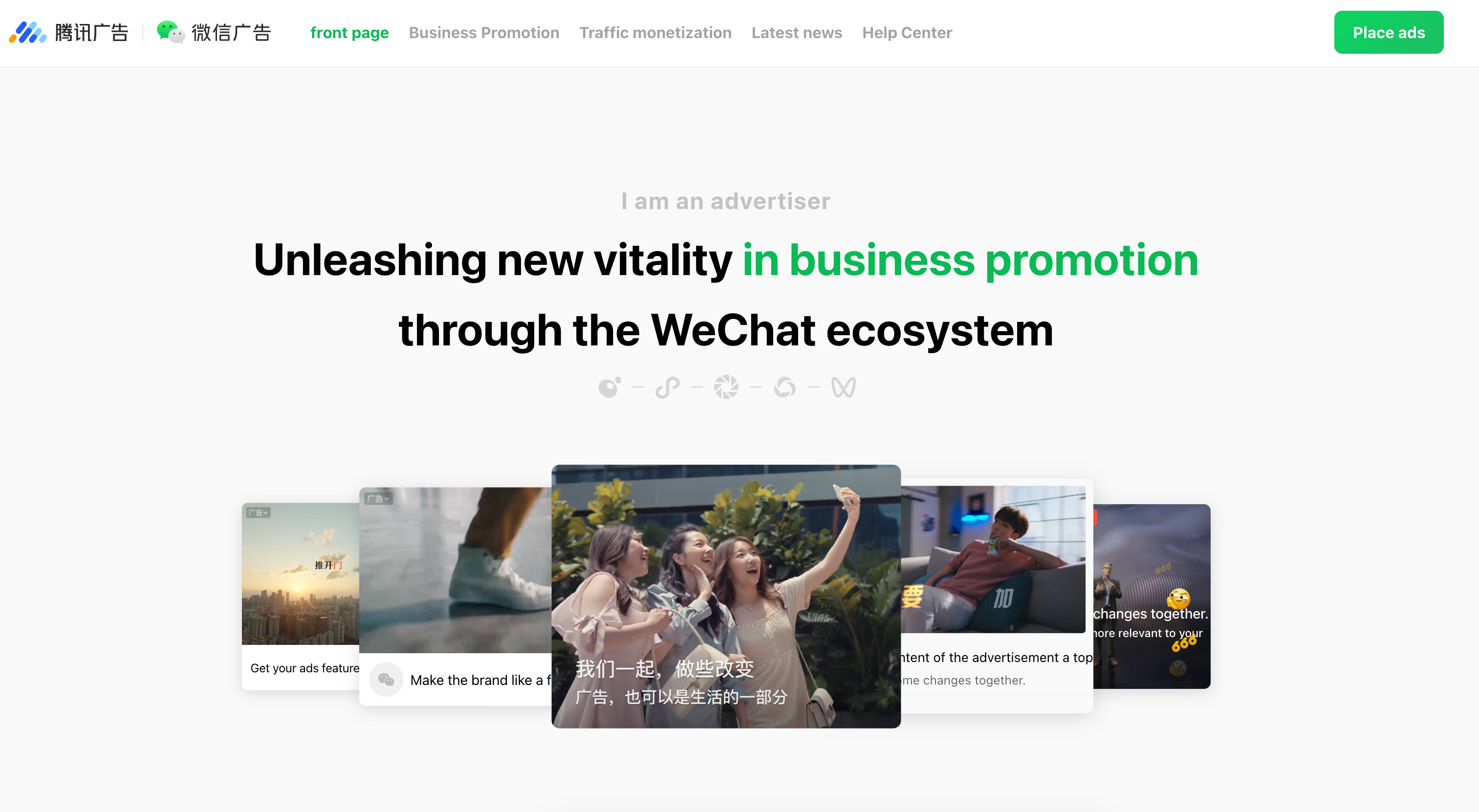
WeChat remains the "Super App" blueprint, where Mini Programs offer a full-scale ecommerce experience within a single interface. These lightweight applications require no download and are deeply integrated with WeChat Pay, making transactions instantaneous. Brands frequently use WeChat for "Online-to-Offline" (O2O) commerce, using QR codes in physical stores to trigger digital loyalty points or mobile orders. It is an essential ecosystem for any brand looking to penetrate the Asian market through a combination of social sharing, content, and retail.
Best for: Any B2C brand targeting the Chinese market, from luxury fashion to daily groceries. It is also used by service-based B2B firms for appointment booking and digital membership management.
Features for ecommerce:
-
Mini Program Stores: High-speed, customizable app-like storefronts that live inside the WeChat ecosystem.
-
WeChat Pay Integration: One-tap, secure biometrics for frictionless domestic and international payments.
-
Moments Advertising: Social feed ads that link directly to Mini Program shops or live-stream events.
SnapChat
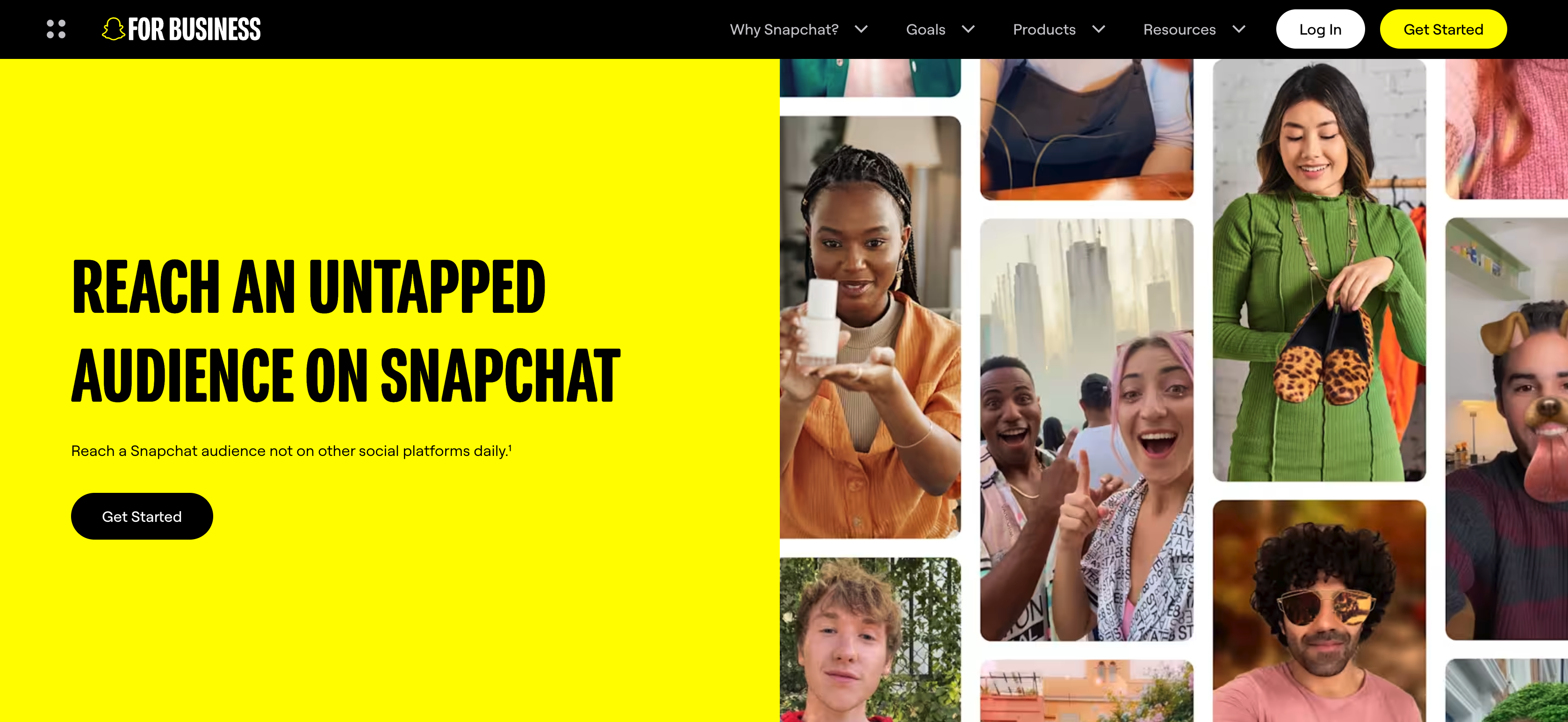
SnapChat leads the 2026 market in "Augmented Reality (AR) Commerce." With the public launch of its lightweight "Specs" AR glasses, the platform has turned the world into a shoppable interface. Users can virtually "try on" clothes, makeup, and eyewear with stunning accuracy, which has significantly reduced return rates for fashion brands. Sellers often use Snap's "Commerce Kit" to enable in-lens payments, allowing a user to see a virtual item on their body and buy it with a simple hand gesture.
Best for: Gen Z-focused B2C brands in fashion, footwear, beauty, and accessories. It is the premier platform for brands that want to use "Gamified AR" to drive viral engagement and social sharing among younger demographics.
Features for ecommerce:
-
AR Virtual Try-Ons: Advanced lenses that allow users to visualize products in 3D on themselves or in their homes.
-
Collection Ads: Tappable tiles that display multiple products simultaneously, leading directly to a checkout page.
-
Commerce Kit: Developer tools that enable direct, in-lens monetization and digital product sales.
Amazon Live
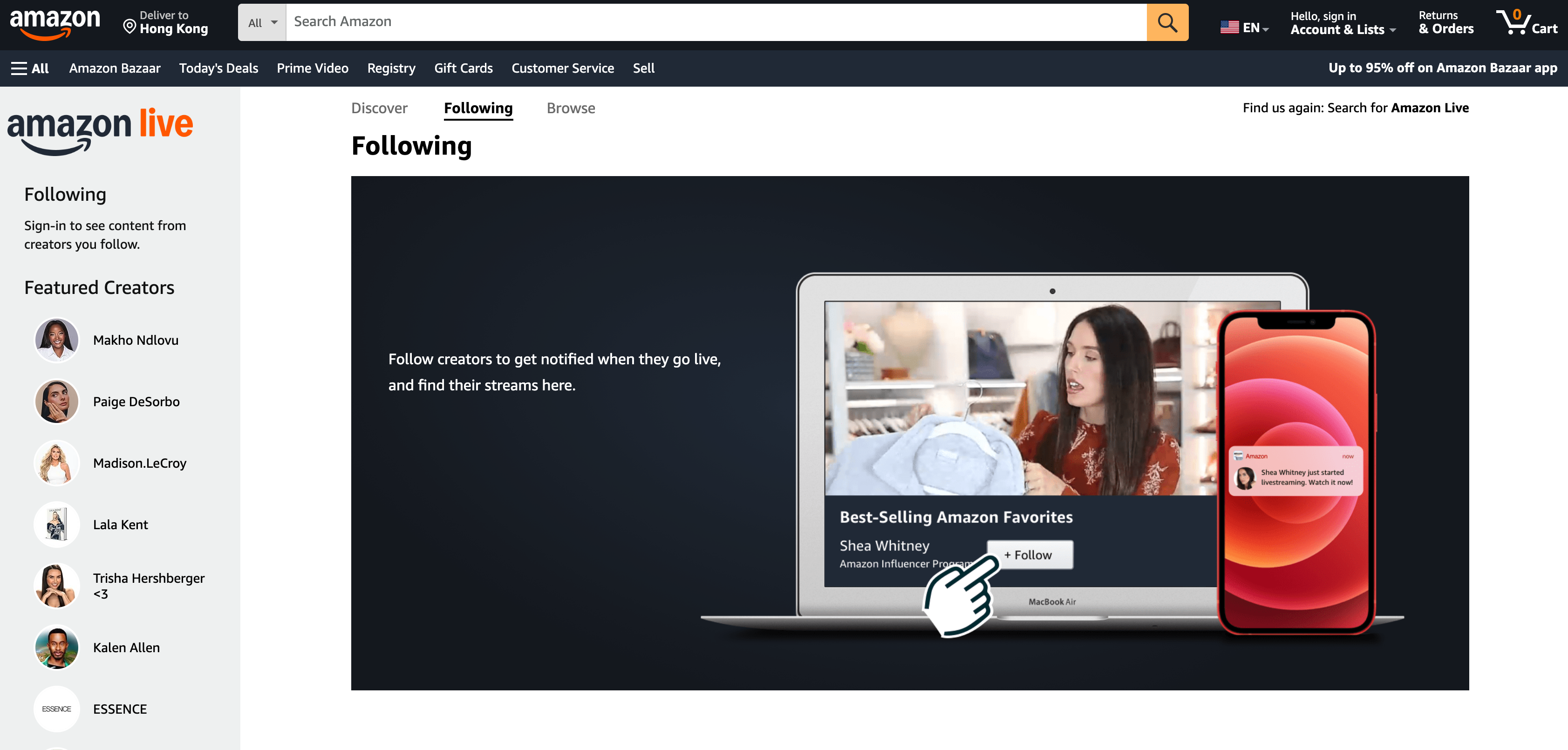
Amazon Live has matured into a powerful "Shoppertainment" hub that bridges the gap between a marketplace and a social network. It functions as a 24/7 live-streaming channel where influencers and brand founders demonstrate products in real-time. The "Amazon Live Creator" app allows for "Practice Mode" and scheduled broadcasts, ensuring high-production value. Every stream features a "Live Carousel" of the products being discussed, allowing viewers to purchase with one click while participating in a live Q&A chat.
Best for: Amazon FBA sellers, household brands, and consumer electronics. It is ideal for B2C brands that want to leverage Amazon's massive existing traffic and high-trust fulfillment network to drive immediate sales.
Features for ecommerce:
-
Live Product Carousel: A real-time, interactive list of products that updates as the host discusses them.
-
Integrated Promo Codes: In-stream "click-to-claim" coupons that drive urgency and trackable conversions.
-
Post-Stream Analytics: Detailed 24-hour breakdowns of sales, engagement, and click-through rates generated during the broadcast.
Which platform should you choose? Chart explained
Deciding where to invest your marketing budget requires a strategic look at where your specific audience hangs out and how they prefer to buy. To help you navigate the top social media platforms for selling through ecommerce, use this conclusive comparison chart to match your business goals with the right digital ecosystem.
| Platform | Best For | Core Sales Feature | Audience Vibe |
| TikTok Shop | Viral trends & Gen Z | In-Feed Shoppable Video | High-energy, impulsive, authentic |
| Facebook Shop | Broad reach & Local sales | Meta Commerce Manager | Community-focused, trust-based |
| Visual brands & Discovery | Shoppable Reels & AR Try-on | Aspirational, aesthetic, influencer-led | |
| Threads | Brand voice & Dialogue | Conversational Link Sharing | Thoughtful, text-heavy, high-trust |
| DIY, Home & Planning | Product Pins & Visual Search | High-intent, planning-oriented | |
| Niche Hobbies & Tech | Conversation Ads & AMAs | Skeptical, transparent, community-run | |
| Xiaohongshu | Luxury & Chinese market | Product "Notes" & RED Mall | Peer-reviewed, premium, lifestyle-led |
| B2B & Professionals | Product Pages & Lead Forms | Logical, ROI-driven, expert-led | |
| YouTube | Tech & Detailed Reviews | Shoppable Shorts & Tags | Educational, research-heavy, detailed |
| X (Twitter) | Real-time News & Tech | Shoppable Threads | Fast-paced, opinionated, trend-driven |
| 1-on-1 Personalized sales | In-chat Catalogs & Payments | Direct, private, service-oriented | |
| China "Super-App" | Mini Programs & WeChat Pay | Integrated, essential, ecosystem-rich | |
| Snapchat | Visual Gen Z & Beauty | AR Virtual Try-On Lenses | Gamified, young, interactive |
| Amazon Live | Marketplace sellers | Interactive Live Carousel | High-intent, shopping-ready, practical |
Which active ecommerce platforms integrate well with social media?
While selling on social media is powerful, you need a central "brain" to manage your inventory, taxes, and shipping, and maintain customer relationships. A standalone web builder ensures you own your customer data.
Shoplazza
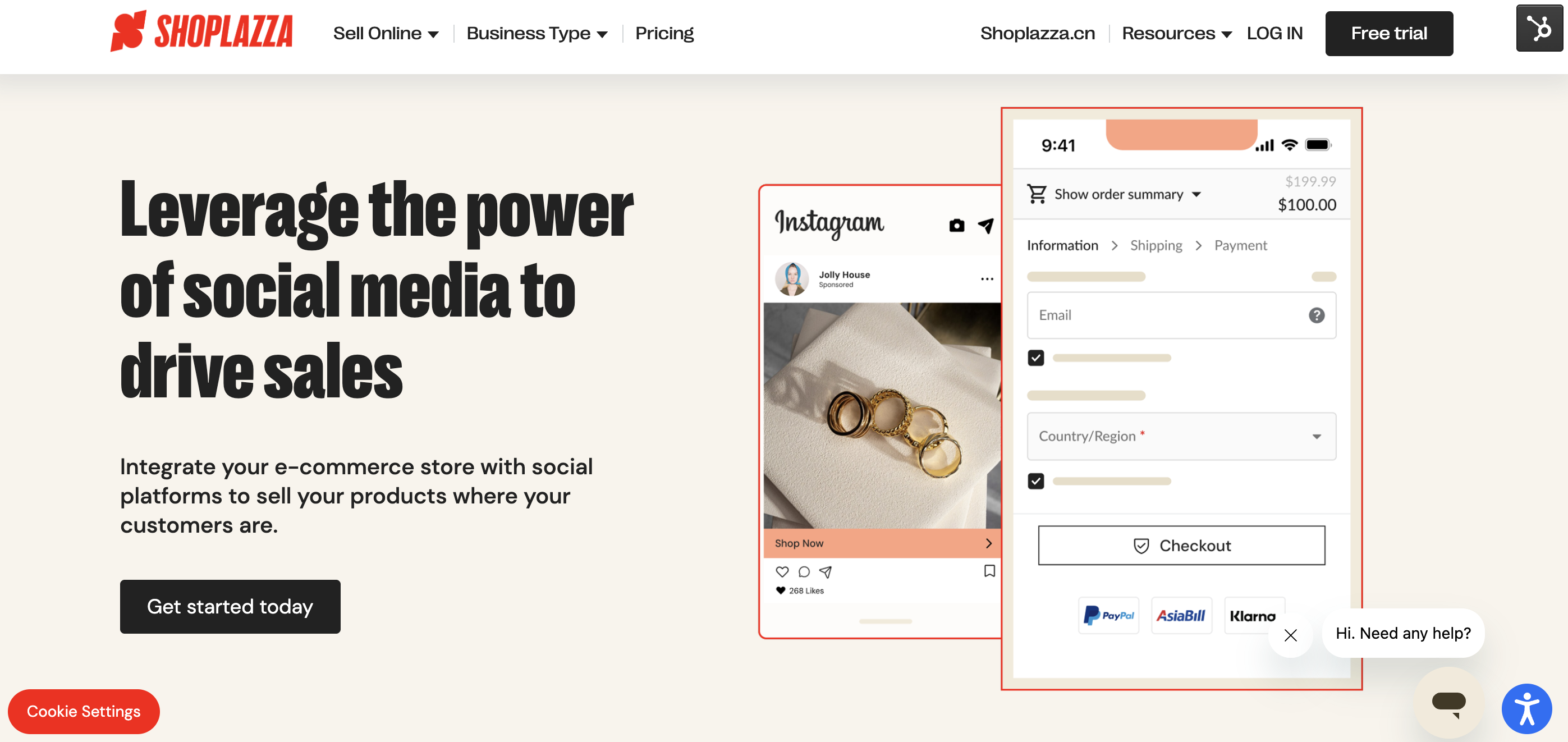
Shoplazza is a ecommerce website builder mainly for DTC and dropshipping that needs a social commerce ecosystem. Unlike traditional builders that require a patchwork of third-party plugins and apps, Shoplazza allows you to connect your stores on social media with your own website through a unified backend. This integration enables a one-click synchronization of your entire product catalog across TikTok, Facebook, Instagram, and Pinterest. By establishing these native storefronts, you allow customers to discover, browse, and checkout without ever leaving their favorite apps, significantly reducing the friction that typically leads to abandoned carts.
Beyond simple synchronization, the platform serves as a centralized command center for your global marketing efforts. From a single dashboard, you can launch and manage complex social media ad campaigns, setting precise budgets and tracking real-time ROI to ensure every dollar is optimized. The true power of this integration lies in its data-driven retargeting capabilities; by leveraging customer behavior data from your website, you can create lookalike audiences and retarget past visitors with high-conversion ads on social feeds. This "omnichannel" managemant even bridges the gap for physical retail, allowing you to generate online buzz for in-store events or offer "buy online, pick up in-store" (BOPIS) options that keep your social and physical sales perfectly in sync.
BigCommerce
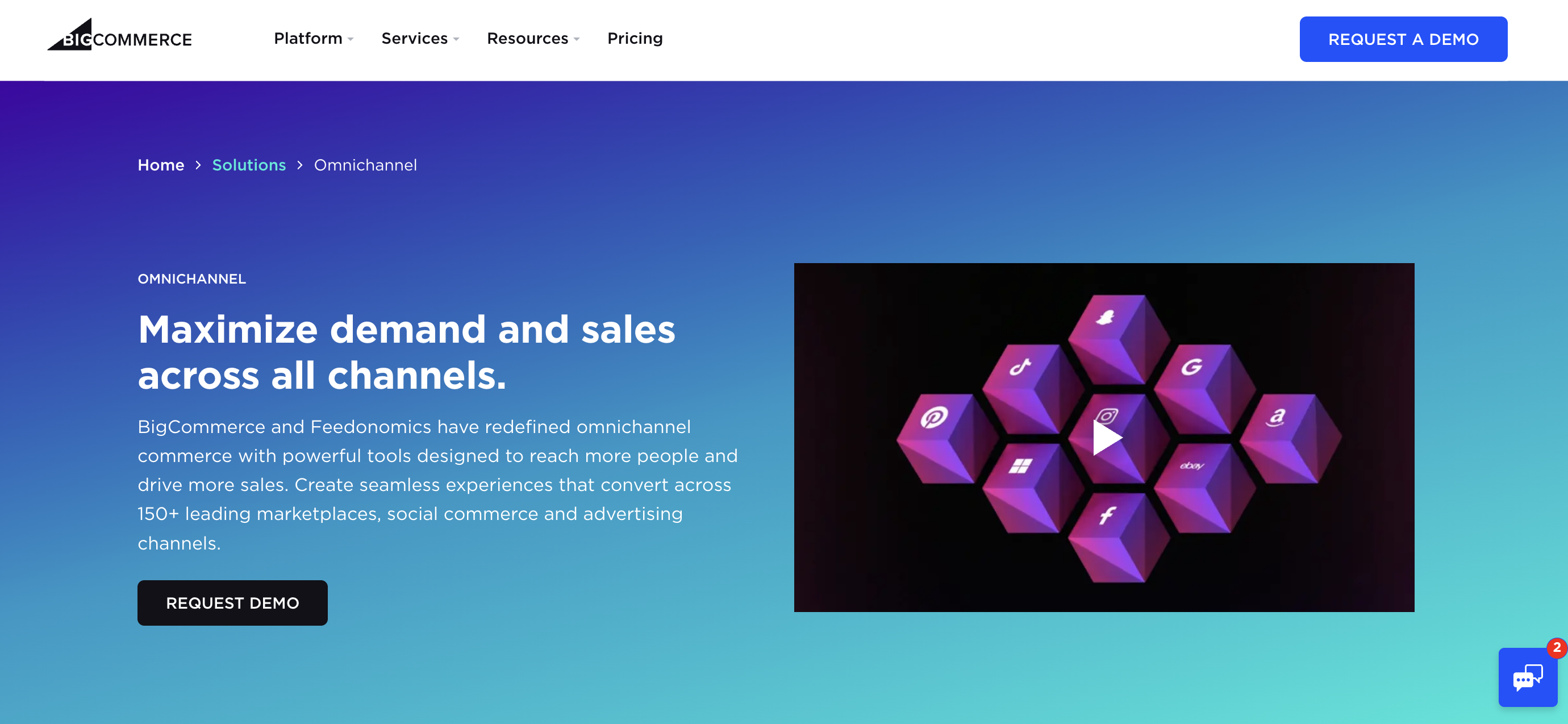
BigCommerce remains the leading choice for businesses requiring "Enterprise-Grade" social integration without the complexity of a completely custom build. Its "Open SaaS" philosophy allows for deep API connections, meaning your social shops can handle complex product configurations (like custom-built furniture or industrial parts) that simpler builders might struggle with. BigCommerce's integration with "Meta Commerce Manager" is particularly robust, offering real-time inventory updates that prevent the nightmare of a product going viral on Instagram after it has already sold out.
The platform also leads the way in "Agentic Commerce." BigCommerce allows you to feed your structured product data directly into AI shopping assistants. This ensures that when a user asks their personal AI agent to "find the best sustainable running shoes on sale," your BigCommerce store is the one recommended. With advanced reporting that bridges the gap between social engagement and backend logistics, it is a formidable tool for brands that prioritize data-driven scaling.
How to do well on social commerce? The "Shoppertainment" tips
To dominate the best social media platforms for ecommerce from now on, you must stop "broadcasting" and start "embedding." As consumer ad-blindness reaches an all-time high, the most successful brands have realized that entertainment is no longer a marketing pillar—it is the product itself.
-
Education as Sales: The "hard sell" is dead. Consumers prioritize platforms like TikTok and YouTube to find quick tutorials and solution-oriented content. Instead of a "Buy Now" graphic, post a tutorial showing how your product solves a specific, annoying problem. When you teach a skill or provide a "life hack," you build a level of authority that naturally leads to a sale without the friction of a traditional pitch.
-
Live Commerce 2.0: We are seeing a definitive shift away from high-pressure "QVC-style" shouting. The leading brands have pioneered "Chill-stream" commerce. These are behind-the-scenes, low-fidelity, high-trust streams where the founder or a creator just talks about the product's origin or demonstrates its use while packing orders. This unpolished authenticity is the "Human Premium" that shoppers crave in an AI-saturated market.
-
The Retention Secret: Engagement is the new loyalty. Data from 2025 indicates that brands utilizing a Shoppertainment framework see a 4.5x higher retention rate compared to those relying on static ads. By turning shopping into a recreational activity rather than a chore, you create an emotional connection that fosters repeat purchases and long-term brand advocacy.
Conclusion
The success of your brand hinges on meeting customers in their natural digital habitats. Leveraging a dedicated social ecommerce platform allows you to transform passive scrolling into active purchasing by merging community with commerce. By staying authentic and integrating your social shops with a robust web builder, you can build a resilient, future-proof retail engine that thrives on connection.
FAQ about social ecommerce platforms
Q1: Can I sell only on social media without a brand website?
Technically, yes, but it's risky. Without a central website, you don't "own" your customer data. Relying solely on social platforms leaves your business vulnerable to sudden algorithm changes or account suspensions. A dedicated site ensures long-term stability and data control.
Q2: Does social commerce work for B2B companies?
Absolutely. LinkedIn and X are B2B hubs for closing high-ticket deals via lead-gen forms. Additionally, Shoplazza B2B provides specialized services like wholesale pricing, bulk order management, and custom quotes, allowing brands to scale professional operations alongside social selling.
Q3: What is "Agentic Commerce," and why should I care?
Agentic Commerce involves AI agents shopping on behalf of humans. Your store needs clean "Schema markup" so these bots can find, understand, and recommend your products. If AI agents can't read your data, you miss out on the next generation of automated buyers.
Q4: Is "Live Shopping" only for big brands?
Not at all. "Low-fi" live streams often feel more authentic and convert better for small businesses. Whether you're packing orders or doing a raw Q&A, transparency builds trust. You don't need a big budget—just a smartphone and a genuine connection with your audience.
Q5: How do I prevent "TikTok Shop fatigue" among my followers?
Follow the 80/20 rule: 80% of your content should be "Shoppertainment" (education or entertainment), and only 20% should be a direct sales pitch. By providing value and a "chill-stream" vibe first, your followers will welcome your product tags rather than feeling overwhelmed by ads.