When browsing an ecommerce website, have you ever placed an order simply because you saw a message like "Only a few left in stock"? Urgency can speed up purchase decisions. But when countdown timers keep resetting or stock warnings feel fake, customers quickly lose trust, or even create resistance. The real challenge is creating the right level of urgency. When used properly, urgency helps customers make decisions faster without feeling pushed. This guide shares five practical ways to build comfortable and trustworthy sales urgency so customers feel confident buying while your brand credibility stays strong.
Understanding the real urgency and fake promotions
Effective urgency always starts with real constraints. Real urgency comes from genuine limits. These may include seasonal promotions, limited inventory, or scheduled price changes. Customers can clearly see the boundary and understand what happens next, such as a product selling out or a price returning to normal.
Fake urgency works differently. It relies on warnings that never change. For example, a page that always shows "Only 2 left," or a timer that resets every time the page reloads. Customers, especially returning ones, quickly recognize these patterns. Once trust disappears, even real promotions stop working.
Are you creating too much urgency?
Before adding countdown timers or scarcity labels, ask yourself three simple questions:
- When the countdown ends, will the offer really change?
- Is the inventory message connected to real stock data?
- If you were the customer, would you believe this message?
If the answer is no, the urgency may feel like a marketing trick instead of useful information.Good urgency helps customers decide. It should never feel manipulative.
Why gentle sales urgency works better?
Many shoppers delay decisions when there is no clear deadline. This behavior is known as decision inertia. If customers believe they can always come back later, many never return. At the same time, strong pressure can cause the opposite reaction. When people feel pushed, they often leave the page.
Balanced urgency works best. It creates a clear decision window while still giving customers control. This approach reduces hesitation and keeps the shopping experience comfortable.
How to create urgency in sales without pressuring customers?
Since we already shared 10 urgency and scarcity marketing strategies before, this section focuses on a clear and customer-friendly way to create urgency in sales.
Keep information transparent and real
Urgency must rely on clear and accurate data. Stock levels, remaining deals, and recent purchase activity should sync with your backend so every message shown to customers is correct. Your page can also show the number of people currently viewing the product to build store activity.
At the same time, add plugins like Urgency Builder and elements that build trust, such as customer reviews, secure payment icons, and shipping guarantees.
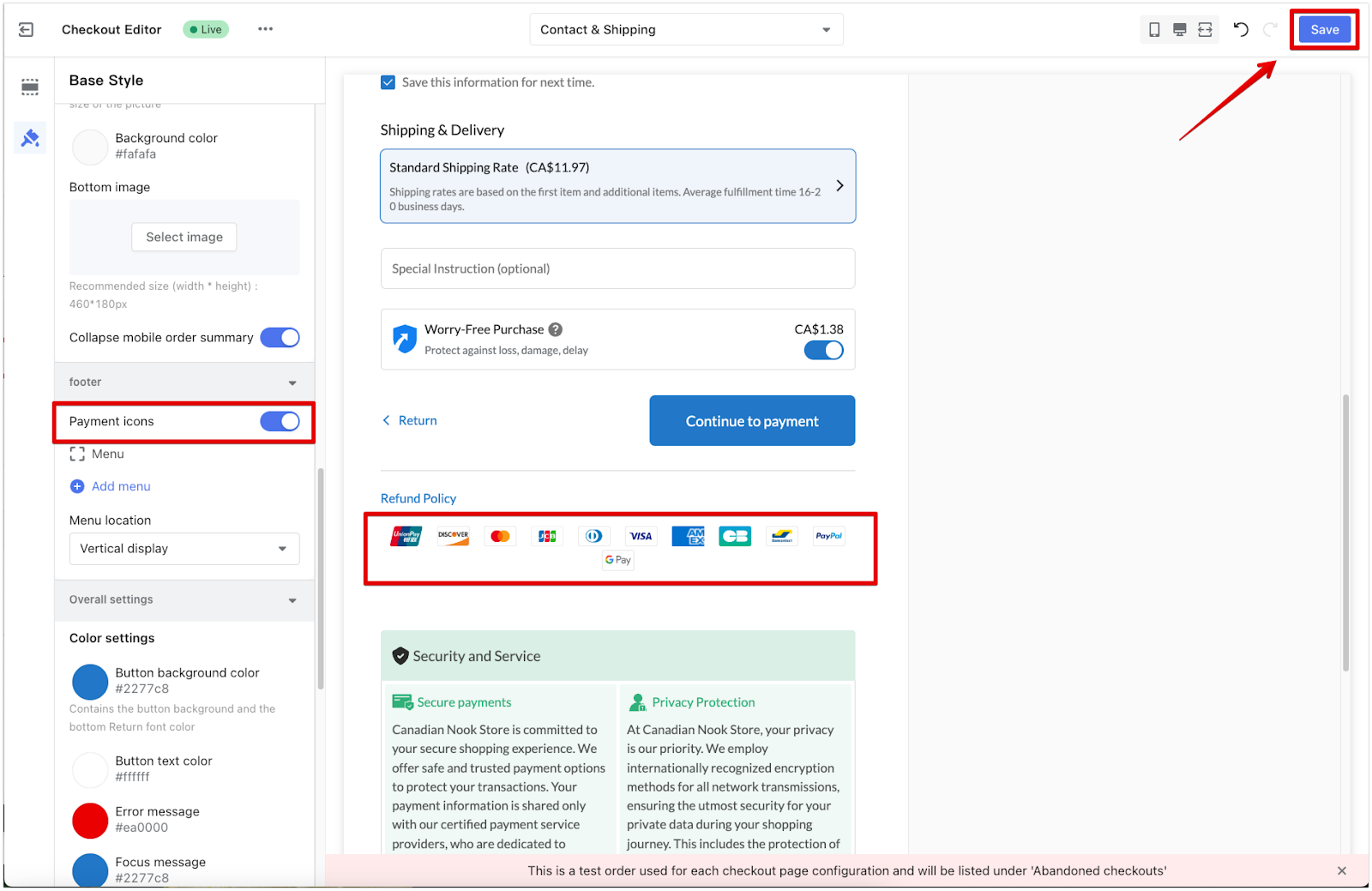
Visual tools like stock bars or small pop-up notices help buyers see urgent information at a glance and understand the rules of the promotion quickly.
Transparent information turns urgency into a decision aid instead of pressure. In practice, check that the numbers on your site match real inventory on a regular basis. You can also show the same data in email or SMS alerts so customers receive consistent and reliable information at every touchpoint.
Create urgency in the right context
The impact of urgency depends on using it in the right situations. Common scenarios include:
- Holiday and major sales events
- Restock alerts for sold-out items
- New product launches
- Limited-edition items
For example, during Black Friday or Singles' Day, time-limited discounts like "Offer Ends Today" naturally encourage buyers to act. For restocked popular items, add countdowns or stock alerts such as "Next Restock in 2 Days" or "Only 5 Left" to show real urgency, not pushy pressure. New product launches can create urgency through limited quantities or early-bird offers, like "Limited Edition – 50 Units Available."
Use gentle tone
The tone of your copy directly affects how users respond. Gentle reminders encourage action without making customers feel pressured. For example, use "Claim Today's Offer, Limited Quantity!" instead of "Buy Now or Miss Out!". Avoid exaggerated, vague, or repetitive countdowns, and adjust the tone to fit the product and audience. For high-value items or services, a softer tone works best, paired with stock or time cues to create natural urgency without harming trust.
Guide, don't push
Urgency should guide user action, not pressure it. Offer options like "Add to Wishlist" or "Remind Me", letting users decide within limited time or stock. In emails or pop-ups, pair remaining stock or deadline notices with "Learn More" or "View Details" to give a sense of control. This approach works especially well for high-end products or services, reducing resistance and improving decision-making. Personalize reminders based on membership or purchase history to match user needs. The key is to provide information and choices, making urgency a helpful nudge, not a push.
Control the frequency of your campaigns
The timing and frequency of urgency cues directly affect user experience. Too many alerts can cause fatigue and push away loyal customers, while too few reduce urgency.Divide campaigns into three phases:
- Pre-launch: Use banners, social media, and emails to announce the start, building anticipation.
- During the campaign: Display stock bars, countdowns, or pop-ups to show remaining time and quantity.
- Before the end: Highlight "Last Chance" or "Offer Ends Today", keeping the tone gentle.
Design the pace based on user behavior and store data. Proper timing makes urgency feel natural throughout the shopping journey, boosting conversions while protecting user experience.
Where to place urgency elements on your website?
When building urgency in sales, place urgency cues so they are visible but not intrusive:
- Banners: Top-of-page or product-specific banners can show flash sale or discounts. Ensure they appear on the homepage, category pages, and product pages to highlight the activity period.
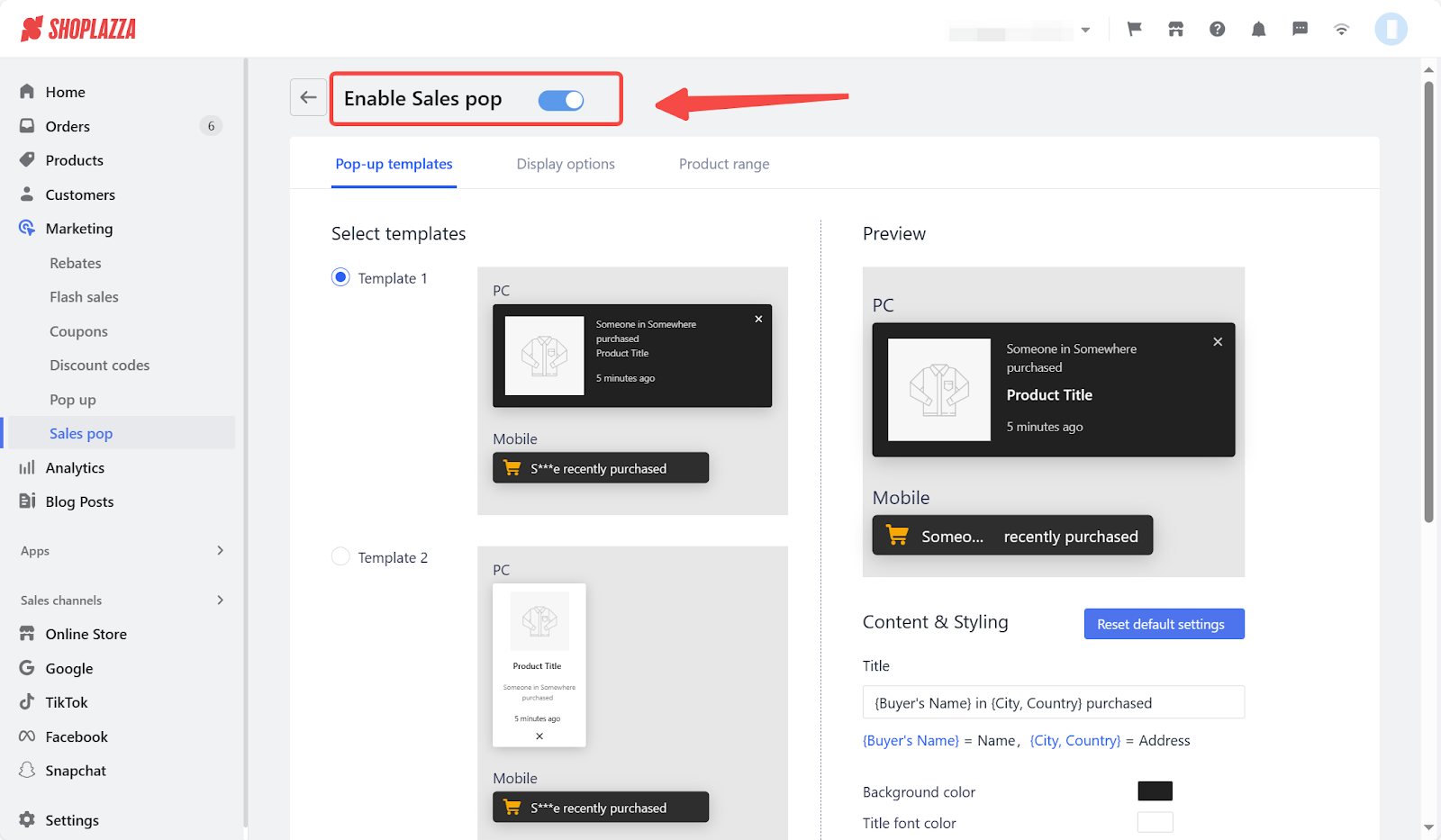
- Site-wide pop-ups: Show real-time purchase alerts like "Someone just bought this item" to boost social proof.
- Stock bars and quantity indicators: Display available inventory for each variant on product pages so users can quickly gauge urgency while choosing.
- Checkout page: Remind users of remaining offers or stock to reduce hesitation at the final step.
- Shopping cart: Include discount banners or bonus item prompts while showing stock information to encourage immediate checkout.
Strategically placing urgency elements across these locations makes them noticeable and effective without overwhelming users.
Build urgency around trust
To see results from how to create urgency in sales, focus on real limits, clear scenarios, friendly copy, accurate data, guided choices, and proper timing. Urgency should guide customers, not pressure them. When done correctly, it boosts conversions, encourages timely decisions, and strengthens trust, all while keeping the shopping experience comfortable and reliable.
FAQs about urgency promotions
Q1: How do I know if urgency marketing fits my products?
Urgency works best for products with real limits on time or quantity, such as bestsellers, new launches, holiday promotions, or limited stock items. For high‑price or carefully considered products, use gentle reminders rather than strict countdowns. Check whether customers can clearly see the limit and whether the information is verifiable.
Q2: How can I avoid too many reminders?
Too many popups or repeated countdowns cause fatigue. Limit each campaign to three touches: one notice during the pre‑launch stage, one or two reminders during the sale, and one final notice three days before the end. Combine banners, popups, or cart reminders. A natural rhythm makes urgency effective without annoying customers.
Q3: What are examples of gentle, effective copy?
Friendly copy can create urgency without pressure. Examples for cart emails, banners, or notifications include:
- "Hurry! Your cart will expire soon."
- "Your favorites are almost gone!"
- "Last chance to grab this deal."
These phrases give time pressure while keeping the tone gentle. Clear and honest language works better than aggressive "Buy now or miss out" messages.
Q4: How to include trust elements?
Shoplazza's Urgency Builder and built-in features can add real reviews, stock bars, payment security badges, and shipping guarantees on product pages. Combine this with popups showing recent purchases or current viewers so customers feel clear decision guidance while enjoying a reliable and transparent shopping experience.