
Selling vape products online is still a real business opportunity. But the infrastructure around it has changed significantly. Several major platforms exited the category in recent years. Payment processors remain selective. Compliance requirements differ by country and, in some cases, by state. Sellers who understand these constraints before launch tend to stay in business longer than those who discover them after going live. This guide covers which platforms allow vape sales, how to get a vape store up quickly, and which traffic channels work when paid ads are off the table.
Quick answers
- Platforms that allow vape sales: Shoplazza, BigCommerce, and WordPress with WooCommerce
- Vape-friendly payment providers for ENDS merchants: Useepay, Authorize.net, Wintopay
- Traffic channels without paid ads: SEO content (blog articles, collection pages, FAQ pages), influencer and creator partnerships, affiliate programs, referral programs, private communities on Telegram or Discord, and a membership system with Loyalty & Push
- Time to launch on Shoplazza: under 10 minutes for a basic store
Which ecommerce platforms banned vape and ENDS product sales now?
Several major platforms no longer allow vape, e-cigarette, or ENDS (electronic nicotine delivery systems) product listings as of 2026.
- Shopify sent merchant notices on June 24, 2026, requiring removal of all ENDS products by July 7–8. The deadline gave most sellers less than two weeks to act. Reuters confirmed the policy on July 10, and Shopify's own spokesperson verified the notices as authentic. The ban is categorical and global. It covers hardware, e-liquids, pods, disposables, coils, and accessories, regardless of FDA authorization status or how long a store had been operating compliantly. The move followed a November 2025 letter from a coalition of 25 state attorneys general calling on Shopify to act against illegal e-cigarette sales on the platform.
- WiX prohibits vape and e-cigarettes under its official Wix Payments prohibited products policy. You can technically build a store on WiX, but their native payment solution will not process vape transactions. Sellers are forced to integrate a third-party high-risk gateway from day one, and WiX provides no built-in migration path if the arrangement breaks down.
- Amazon, eBay, and Etsy each maintain their own restrictions. Amazon lists tobacco and e-cigarettes as prohibited products in Seller Central. eBay's tobacco and e-cigarette policy restricts most vape listings. Etsy's prohibited items list includes e-cigarettes outright. These restrictions predate the Shopify ban and have not relaxed.
The practical consequence is consistent across all of them. A policy update can remove your access without warning, including access to funds held inside the platform's payment system. For a vape business, building on any of these platforms means accepting that risk indefinitely.
Do mainstream payment processors accept vape merchants?
No, and the regulatory pressure on them is intensifying. Stripe, Square, PayPal, and most major card networks either prohibit vape transactions outright or treat them as restricted high-risk activity.
Stripe's restricted businesses policy explicitly lists tobacco products, including e-cigarettes, cigars, and e-liquid, as prohibited. Square applies the same position. PayPal requires pre-approval for e-cigarette transactions — and in practice, that approval is not granted.
The pressure on payment infrastructure goes beyond individual processor policies. On April 28, 2026, New York Attorney General Letitia James led a bipartisan coalition of 24 other attorneys general and the City of New York in urging American Express, Capital One, Citigroup, Mastercard, Visa, PayPal, Stripe, Sezzle, and Block (operator of Square, Cash App, and Afterpay) to block unlawful vape transactions and prevent their networks from being used to facilitate illegal e-cigarette sales.
This is the same coalition that pushed Shopify to exit the category two months later. The pattern is consistent: regulatory pressure moves from platforms to payment rails, and processors respond by tightening restrictions across the board — affecting compliant merchants alongside non-compliant ones.
Vape sellers need to identify specialist payment providers before launch. Finding out your processor does not support the category after your account is frozen is a cash flow problem, not just a technical one.
What compliance requirements do online vape sellers need to meet?
Requirements vary by market. Below is a summary of the key obligations in three major regions:
- United States: Federal law sets a minimum purchase age of 21. The PACT Act requires age and identity verification at checkout, as well as reporting to state tax authorities. Some states impose additional restrictions on flavored products or online delivery entirely.
- European Union: The Tobacco Products Directive (TPD) caps nicotine concentration at 20mg/mL and e-liquid container volume at 2mL. Cross-border sellers must register as a retailer in each EU market they sell into before taking orders.
- United Kingdom: TRPR (Tobacco and Related Products Regulations) applies. Sellers must register with the MHRA before selling, and an 18+ age gate is required. Cross-border sellers entering the UK market post-2021 need to register as a cross-border retailer separately.
These requirements are manageable for a compliant business. But they need to be built into the store from day one, not retrofitted after launch.
Which ecommerce platforms still support vape and ENDS product sales?
Not every platform has exited the category. Two main types of solutions remain available to vape sellers.
Open-source platforms: WordPress and WooCommerce
WooCommerce does not enforce a category ban on vape products at the platform level. You can build a fully functional vape store on WordPress with WooCommerce as the commerce layer. The upside is complete control over design, plugins, and data. The downside is that you are responsible for everything, from web hosting and server security to software updates, plugin compatibility, and technical troubleshooting. For a seller with developer resources or a technical background, this is a viable route. For most cross-border vape sellers launching without a technical team, the overhead adds up quickly.
SaaS platforms: Shoplazza and BigCommerce
BigCommerce does not list ENDS or e-cigarette products among its prohibited items, and its acceptable use policy is built around lawful use rather than product-category bans. It supports around 65 payment gateway integrations, which gives merchants more flexibility in finding a vape-compatible processor. BigCommerce tends to suit merchants with larger catalogs, existing technical resources, and more complex operational requirements.
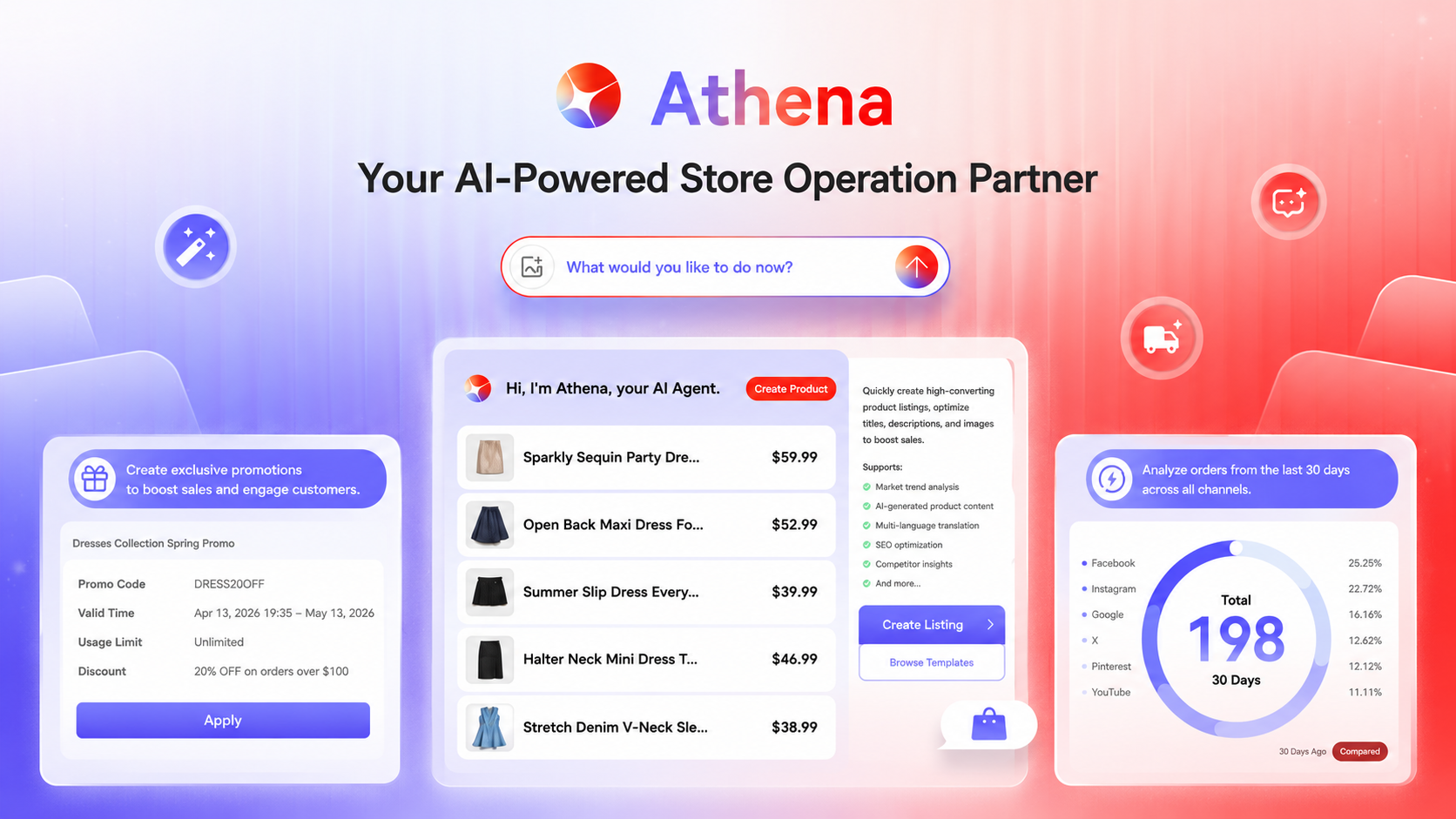
Shoplazza is built for a different starting point. It is one of the few major SaaS platforms that supports ENDS product sales, and it is designed specifically for sellers who want to launch quickly without a technical team. A basic store can go live in under ten minutes. A full catalog setup typically takes half a day. What makes that possible is Athena, Shoplazza's built-in AI agent that handles store building, bulk product uploads, product image generation, store operations, and data analysis from a single backend. There is no server configuration, no plugin management, and no developer dependency. For new and mid-sized vape sellers who need to move fast and keep overhead low, that combination is difficult to match.
Both platforms require merchants to handle their own regional compliance. The platform infrastructure does not determine compliance status — that responsibility stays with the seller.
Since Shoplazza's setup process is built around speed and simplicity, the next section walks through exactly how to get a vape store live on the platform, from store building to payments and shipping.
How to set up an online vape store on Shoplazza?
Getting a vape store live on Shoplazza does not require a developer, a hosting plan, or any prior ecommerce experience. Here is how to do it step by step.
Step 1: Build your store and import products with AI
Go to the Shoplazza AI store builder. You may paste a URL from a product page or store you want to use as a starting point:
- For general categories, that URL can come from Amazon, AliExpress, eBay, or Etsy.
- For vape sellers, those marketplaces restrict the category, so you probably use a URL from a vape-specific dropshipping supplier or an existing vape store from Shopify instead.
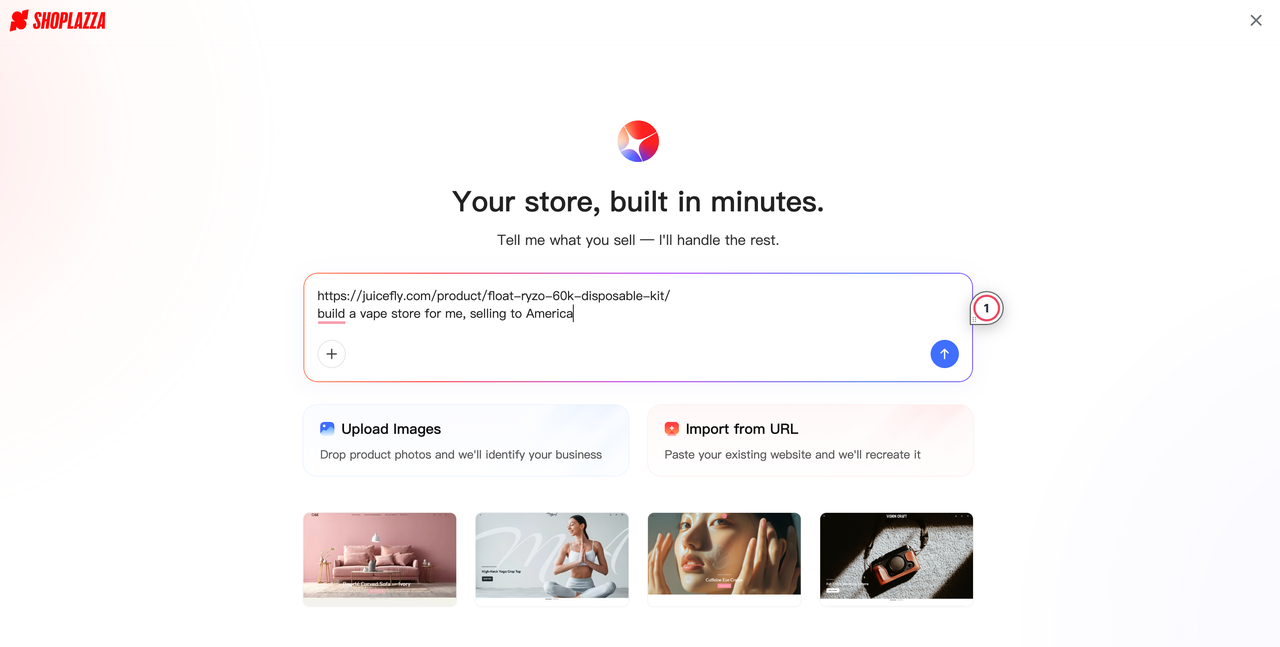
Shoplazza AI reads the URL and extracts real product data from the source page. Titles, images, pricing, and variants are pulled directly, not generated by AI. The tool captures up to 20 products per session.
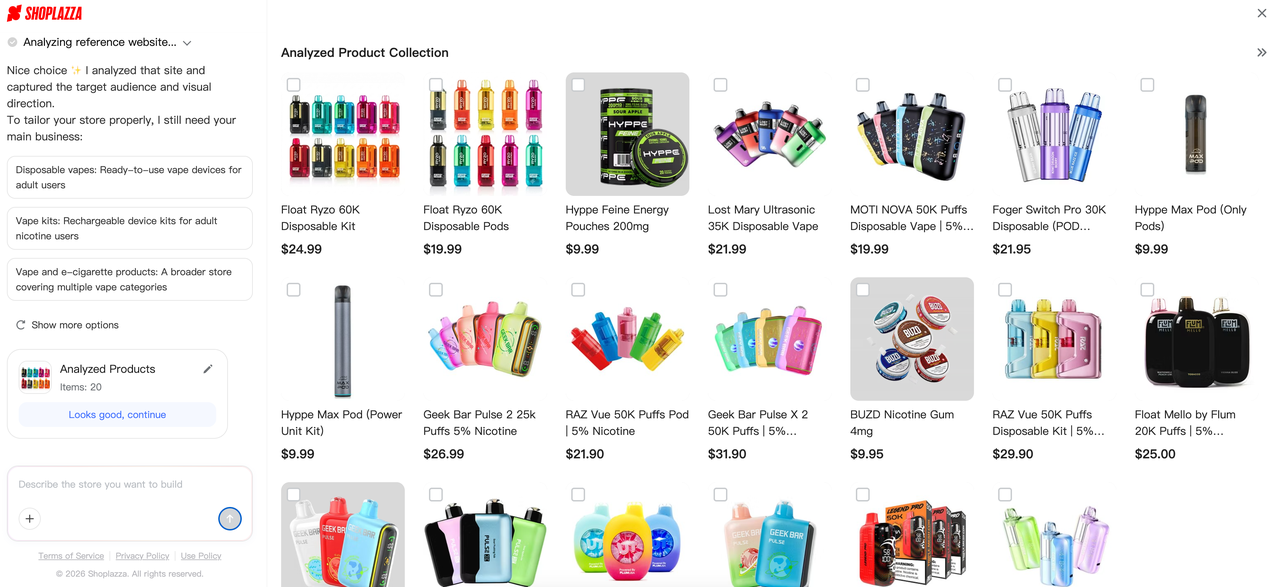
From there, it generates three store design options. Pick one and the full store builds automatically — homepage, collection pages, product pages, policy pages, and checkout. Your first product batch is already inside the admin by the time the preview is ready. No subscription is needed to preview. A paid plan is only required when you publish.
For catalogs with more than 20 SKUs, use Athena after the store is generated. Athena is Shoplazza's built-in AI operations agent. It accepts product URLs, images, spreadsheets, or AliExpress import links and handles bulk uploads in one pass, including titles, descriptions, variants, images, and pricing.
Step 2: Connect your domain
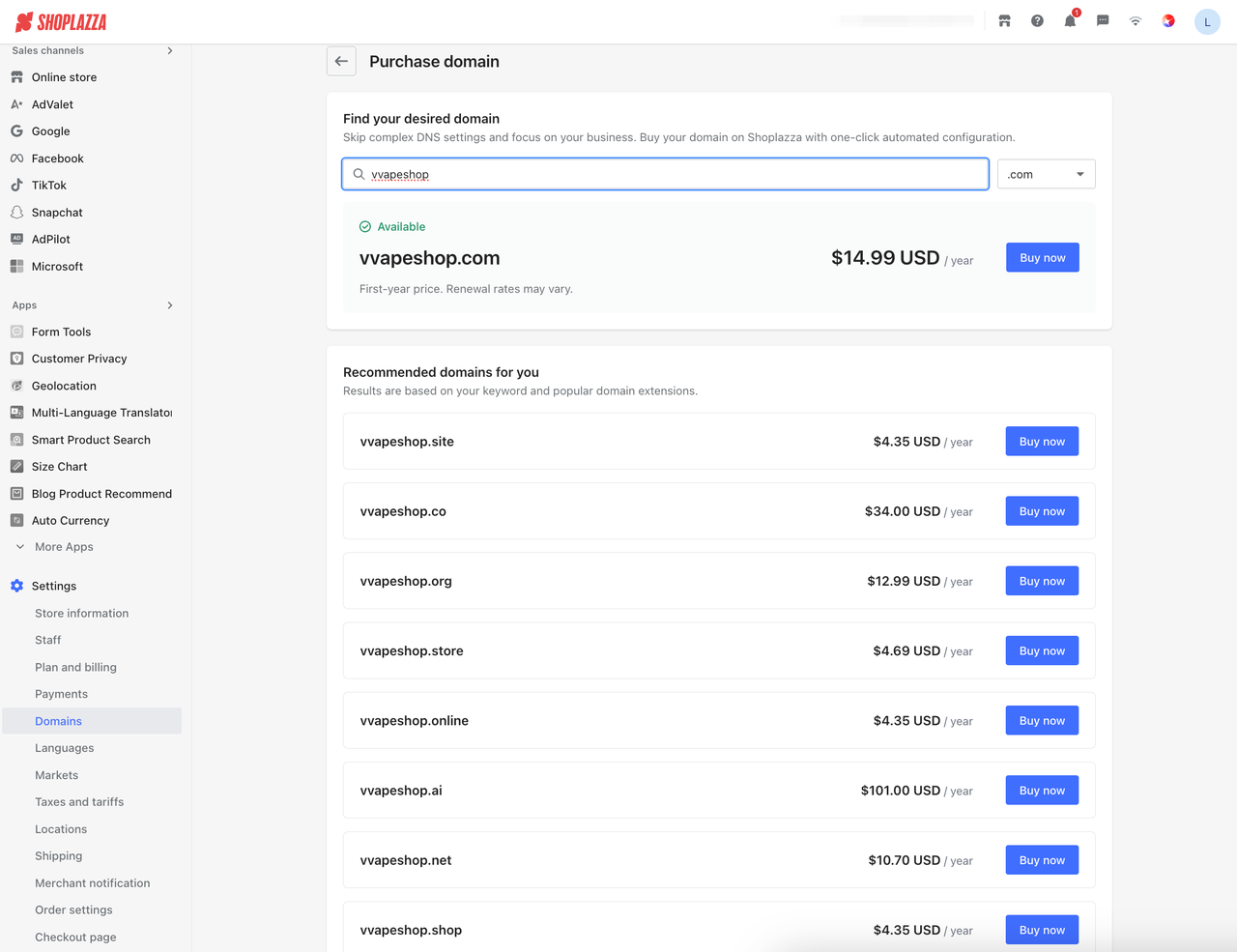
Domains can be purchased and connected directly inside the Shoplazza admin. There is no need to use a separate registrar or configure DNS records manually. For sellers without a technical background, this removes a step that often causes delays.
Step 3: Set up vape-compatible payments
PayPal and Stripe do not support vape merchants. Three payment providers that support the vape category are currently integrated with Shoplazza: Useepay, Authorize.net, and Wintopay. All three accept Visa, Mastercard, Apple Pay, and Google Pay. Wintopay additionally supports European local payment wallets, though those transactions require a redirect to the Wintopay checkout.
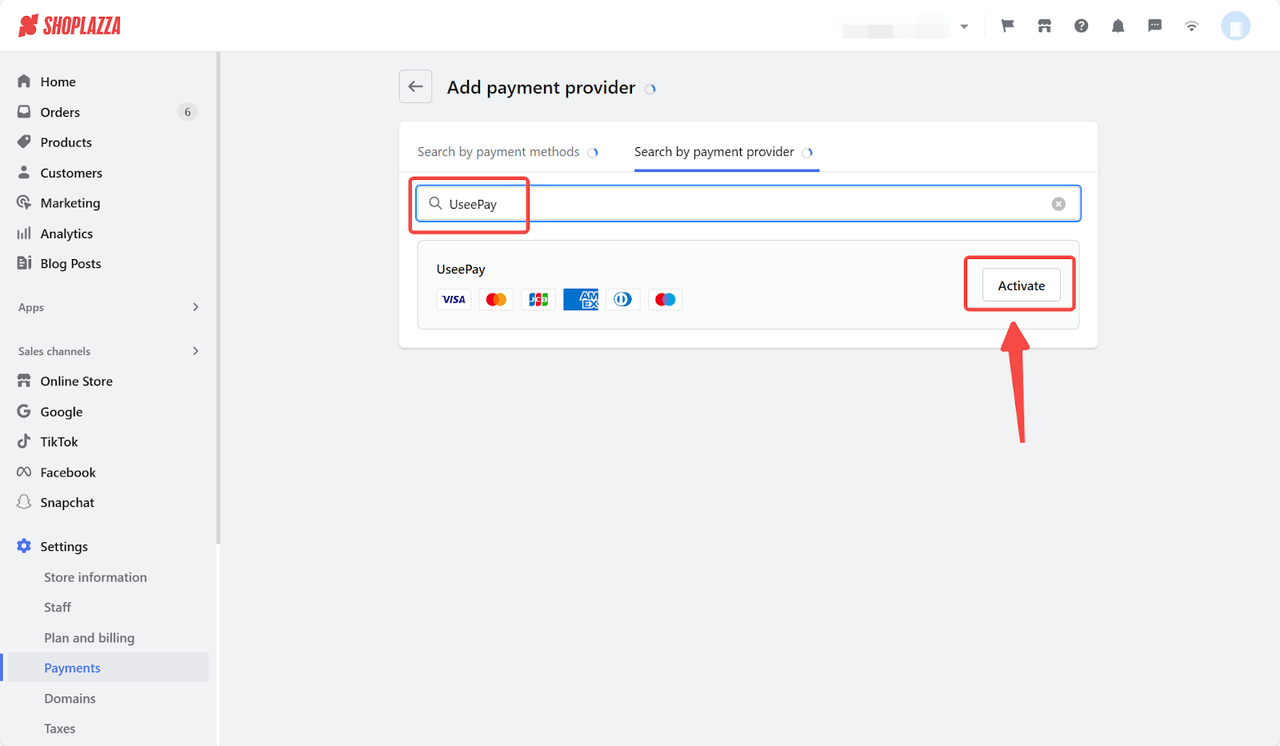
Each provider requires a separate merchant account application. Approval timelines and documentation requirements vary by region and business type. For merchants with higher monthly order volumes, Shoplazza support can advise on the most suitable payment setup. The Shoplazza platform itself holds PCI DSS Level 1 certification, covering payment data security at the infrastructure level.
Step 4: Configure your shipping plan
Set up your shipping zones, rates, and carrier options in the Shoplazza backend. Define which markets you ship to and what rates apply by region. Once your zones are configured, you can also enable Seel, a licensed shipping insurance provider integrated with Shoplazza. Seel lets customers add parcel coverage at checkout for cross-border orders, which reduces post-purchase disputes and can improve conversion in markets where international delivery reliability is a concern.
Step 5: Complete compliance setup and go live
Before publishing, vape stores have a few specific requirements that standard ecommerce stores do not. You need to confirm the following:
- Age verification gate active at site entry and checkout
- Health warning copy live on all product pages for applicable markets
- GDPR and CCPA-compliant privacy settings configured
- Regional selling restrictions reviewed for each market you plan to enter
Age verification
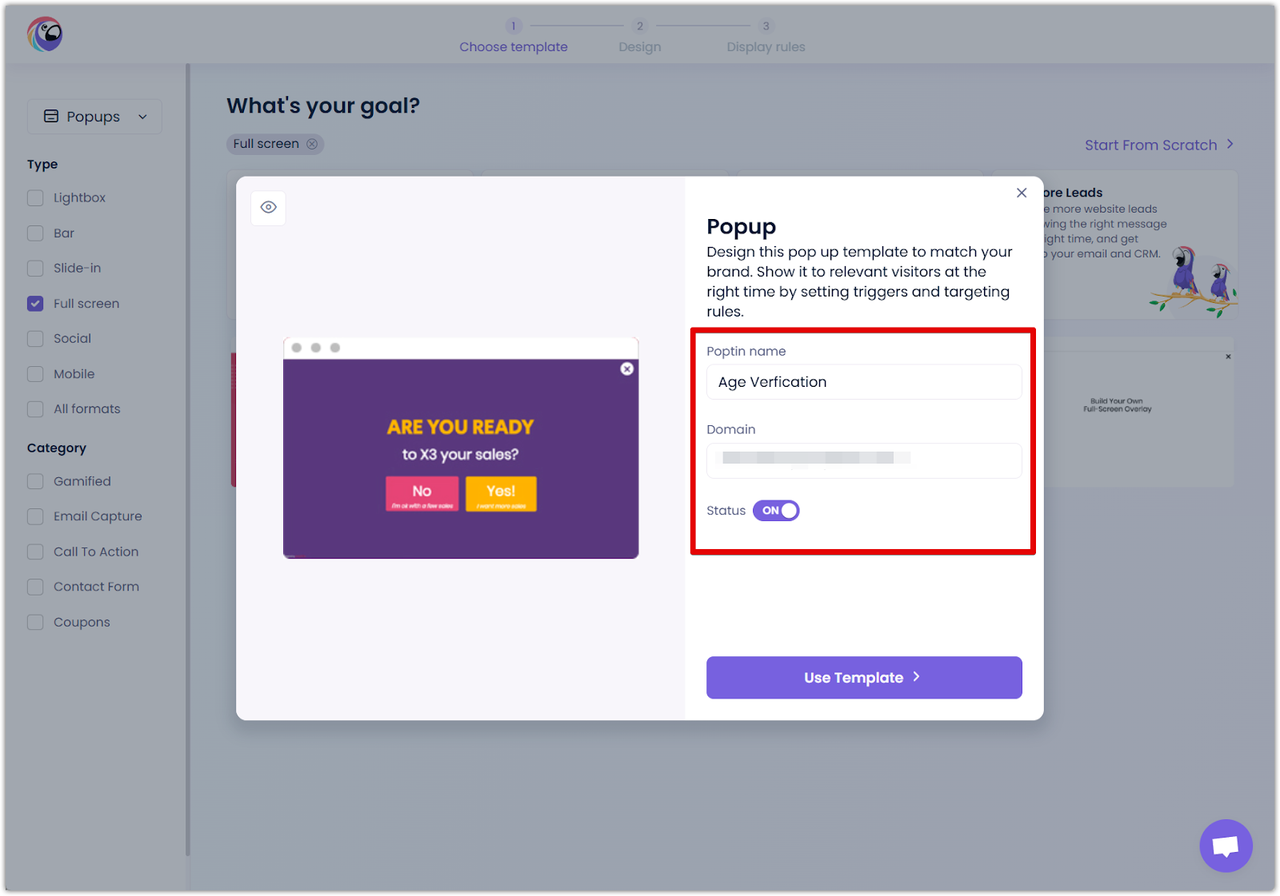
Age verification should appear at two points in the customer journey. The first is a site-entry gate that prompts visitors to confirm their age before browsing. The second is a confirmation step at checkout, where buyers must acknowledge they meet the legal purchase age for their region. Age verification apps are available in the Shoplazza app store and can be configured to meet the 21+ requirement in the US or 18+ in the EU and UK.
Health and product warnings
Health and product warnings are required in most markets. Product pages should clearly state that vape products contain nicotine, which is an addictive chemical. Depending on your target market, additional warnings may apply, such as advisory notices about exposure risks for pregnant individuals or people with heart conditions. These notices should appear on product pages and, where required, in the checkout flow as well.
Privacy settings
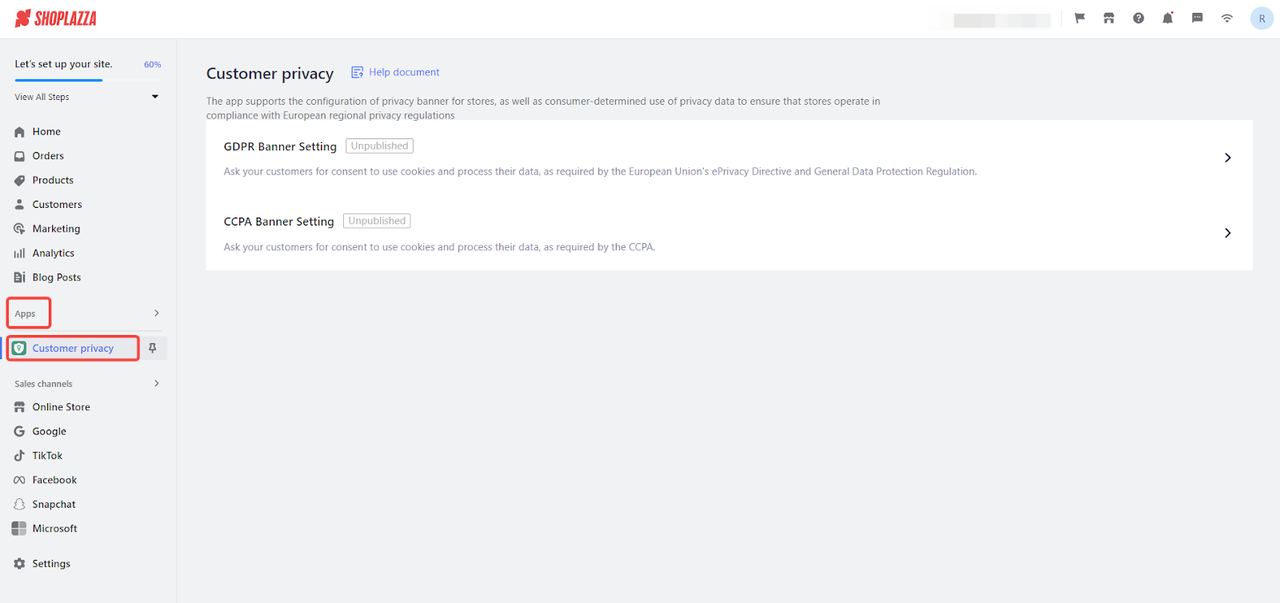
Privacy settings need to meet the standards of each market you sell into. For EU buyers, that means GDPR-compliant data collection, consent banners, and a clear privacy policy. For buyers in California and other US states with similar rules, CCPA compliance applies. Shoplazza's Customer privacy settings can be configured to cover both frameworks from the backend without custom development.
Regional restrictions
Regional restrictions vary more than most sellers expect. Some US states restrict online vape delivery entirely. Certain EU markets require cross-border retailer registration before you can take orders. Reviewing these rules per market before going live avoids situations where orders are placed into markets you are not yet legally set up to serve.
How to get traffic to your vape store without paid ads?
Google, Meta, and TikTok ad networks apply similar restrictions to the platforms above. For most ENDS products, paid acquisition through mainstream ad channels is either unavailable or unpredictable. The following channels are more stable and tend to build cumulative value over time.
Build content that AI search engines will cite
Search engines are no longer the only way customers find products. AI tools like ChatGPT, Perplexity, and Google AI Overview now answer questions directly. When someone asks "what vape is best for heavy smokers," the AI gives an answer and cites a source. That source could be your store.
This is the opportunity. You do not need to be a big brand to get cited. You just need a page that answers the question clearly and specifically. That is what GEO (generative engine optimization) means in practice.
The best place to start is your own store. Product pages, collection pages, blog, and FAQ sections are all content that AI engines read and extract from. Most vape stores waste these surfaces with generic copy. A few simple changes make a big difference.
Collection pages
Collection pages should do more than display a product grid. A collection titled "Nicotine Salt Pods for Heavy Smokers" should explain why salt nic suits ex-smokers, what nicotine strength to start with, and how it differs from freebase. A "TPD-Compliant Vapes for EU Buyers" collection should state clearly which products meet the 20mg/mL limit and the 2mL tank rule. These pages answer specific questions. That is exactly what AI engines look for when deciding what to cite.
FAQ pages
FAQ pages are among the most cited content formats in AI search results. Each answer should be two to four sentences, written in plain language, and directly responsive to the question. Useful questions to address on a vape FAQ page include:
- How many puffs does a 5,000-puff disposable actually last?
- What nicotine strength is right for someone switching from cigarettes?
- What is the difference between salt nic and freebase e-liquid?
- Can you ship vape products legally to [specific country or US state]?
- What does TPD-compliant mean for a vape product?
Blog
Blog content should target a specific reader at a specific moment, not a general topic. Articles written for one person with one question outperform category overviews in both search rankings and AI citation rates. Below are blog topics organized by reader type:
For ex-smokers making the switch:
- "What nicotine strength should a pack-a-day smoker start with when switching to vaping"
- "Why cigarette smokers often fail with vaping the first time and how to avoid the same mistake"
- "Salt nic vs freebase: which one actually satisfies a former smoker"
For new vapers choosing their first device:
- "Disposable vape vs pod system: total cost comparison for a beginner over three months"
- "Mouth-to-lung vs direct-to-lung: what the difference feels like and which suits a new user"
For buyers in specific markets:
- "Which US states allow online vape delivery in 2026 and which ones do not"
- "UK vape regulations in 2026: nicotine limits, tank sizes, and what cannot be sold online"
- "EU TPD rules for vape products: what cross-border sellers need to register and declare"
For dropshippers and store operators:
- "PACT Act compliance checklist for US-facing online vape retailers in 2026"
- "Which vape flavor categories sell best in summer versus winter based on category data"
Shoplazza provides a content management system in the admin, and you can feel free to publish blogs and landing pages. Besides, SEO Optimizer automatically generates JSON-LD structured data for product and collection pages. This helps search engines and AI engines classify and index your catalog accurately without any manual configuration.
Retain customers with Loyalty & Push
For vape sellers, repeat purchases are where the economics of the business actually work. Vape products are consumables. A customer who reorders every three to four weeks is worth far more than one who buys once and leaves. Shoplazza's Loyalty & Push module gives you the tools to build that relationship from the very first order.
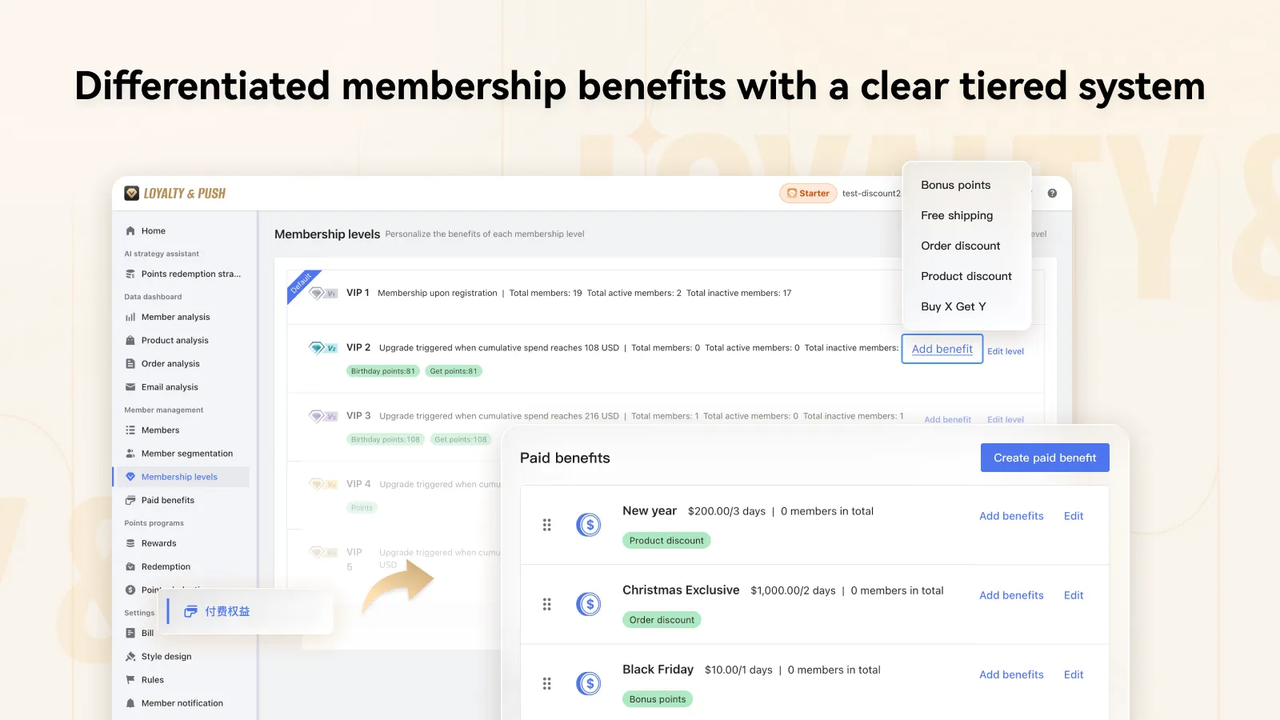
For a new store, the first goal is getting visitors to register and become members. Points redeemable at checkout are one of the most effective ways to do this. A small discount on the first order in exchange for signing up costs little but gives you something valuable: a member profile, an email address, and a customer you can reach again.
From there, the relationship builds through store activity. New product launches, limited-time promotions, and member-only offers keep customers coming back. Each order earns more points. Each return visit deepens the habit. Over time, members move up through Bronze, Silver, and Gold tiers, unlocking better rewards at each level. Higher-tier members tend to spend more per order and share referral codes more actively, which brings in new customers at low cost.
The result is a self-reinforcing loop. New members join for the discount. They stay for the rewards. They spend more as their tier increases. Based on platform data, members spend around 35% more on average than non-members, and around 90% return to the store within 90 days of joining.
Partner with vape creators and influencers
Vape content performs well on TikTok, YouTube, and Instagram despite ad restrictions because organic creator content is treated differently from paid advertising. Give each creator a unique discount code and a separate UTM tracking link. The code shows conversion volume. The UTM shows traffic source and behavior. Together they let you distinguish which creators drive purchases from which ones drive visits only.
Brief creators on specific angles rather than open-ended product showcases. A video answering "which nicotine strength should a beginner use" or comparing two flavor profiles produces content that ranks in search over time and is more likely to be cited by AI engines when users ask similar questions. This content can also be repurposed as product page visuals, email assets, and community posts.
Set up an affiliate program
Affiliate marketing on Shoplazza integrates with Impact and ShareASale. Compliance-focused vape blogs, harm reduction publications, and product review sites can join your affiliate program and earn commission on referred sales. You pay only on confirmed conversions. For a category where paid advertising is restricted, affiliate content that already ranks in search functions as a scalable acquisition channel.
Build a community from launch
Telegram groups, Discord servers, and WhatsApp broadcast lists give you a direct channel to your most engaged early customers. Flavor polls, early access to new arrivals, and member-only flash sales give community members a concrete reason to stay. Feedback from these groups is also useful for product selection decisions before a wider catalog expansion.
Start your vape business on Shoplazza
Selling vape products online in 2026 requires more planning than it did a few years ago. But the constraints are well-defined. The platform landscape has narrowed, the payment options require some research, and compliance needs to be in place from day one. Sellers who account for these factors before launch tend to avoid the disruptions that catch others off guard. Shoplazza provides the store infrastructure. The compliance, content, and traffic strategy are yours to build, and this guide covers where to start.
Frequently asked questions about online vape business
Which ecommerce platforms allow vape and e-cigarette sales in 2026?
Shoplazza, BigCommerce, and WooCommerce (WordPress) are platforms that do not apply a blanket ban on ENDS products. Shopify banned the category in July 2026. WiX, Amazon, eBay, and Etsy also restrict or prohibit vape listings. Vape sellers on these platforms need to migrate to a platform that supports the category.
Can I accept credit card payments on a vape website if Stripe and PayPal do not work?
Yes. Three payment providers integrated with Shoplazza explicitly support the vape category: Useepay, Authorize.net, and Wintopay. All three process Visa, Mastercard, Apple Pay, and Google Pay. Each requires a separate merchant account application, and approval requirements vary by region.
What compliance does a vape store need before going live?
The minimum requirements depend on your target markets. In the US, a 21+ age gate and PACT Act compliance are required federally, with additional state-level rules in some cases. In the EU, products must meet TPD limits (20mg/mL nicotine, 2mL tanks) and the seller must register as a cross-border retailer. In the UK, MHRA registration and an 18+ age gate are required. Age verification apps and privacy compliance tools are available in the Shoplazza app store.
How long does it take to launch a vape store on Shoplazza?
A basic store with an initial product batch of around 20 items can go live in under ten minutes using the AI store builder. A full setup including a larger product catalog, domain connection, payment configuration, and age verification typically takes around half a day. No developer or server setup is required.
How do vape stores get traffic without running paid ads?
The most reliable channels are organic search content (collection pages, FAQ pages, and niche blog articles), influencer partnerships with unique tracking codes, affiliate programs through platforms like Impact or ShareASale, and private communities on Telegram or Discord. These channels take longer to build than paid acquisition but are not subject to the same ad network restrictions.
What type of blog content works best for a vape store's SEO?
Content that answers a specific question for a specific reader outperforms general category overviews. Articles targeting ex-smokers choosing a nicotine strength, new vapers comparing device types, or retailers navigating PACT Act compliance tend to rank more easily and get cited more frequently by AI search engines than broad vaping guides. Each article should answer one question for one audience.


.png)