Anyone running a dropshipping business knows how frustrating manual tasks can be—endless product research, writing descriptions, resizing images, and tracking orders. It's easy to spend hours on repetitive work and still feel behind. However, AI dropshipping now changes the game by automating these tasks, letting sellers focus on strategy and growth. This blog will walk you through what is AI dropshipping, how it works, and the top tools you may use to build, launch, and scale your store in 2026.
Key takeaways
- AI dropshipping automates execution, not strategy. AI handles research, content, pricing, marketing, and support, while sellers focus on brand and growth decisions.
- Lower barrier, faster launch. No-code AI store builder like Shoplazza significantly reduce setup time. It allows beginners to launch functional dropshipping stores in hours instead of weeks.
- Data-driven product selection beats guesswork. AI analyzes real-time demand, competition, and trends to improve product-market fit.
- Tools matter more than tactics. Here 15 AI tools recommended help you increase efficiency, speed, and long-term scalability.
What is AI dropshipping? Definition and benefits
AI dropshipping is a retail model where artificial intelligence tools assist or automate key parts of a dropshipping business, including niche research, product selection, store creation, pricing optimization, marketing personalization, and customer service. The seller still owns the brand and customer relationship, but AI handles repetitive, data-heavy tasks.
Benefits of AI dropshipping
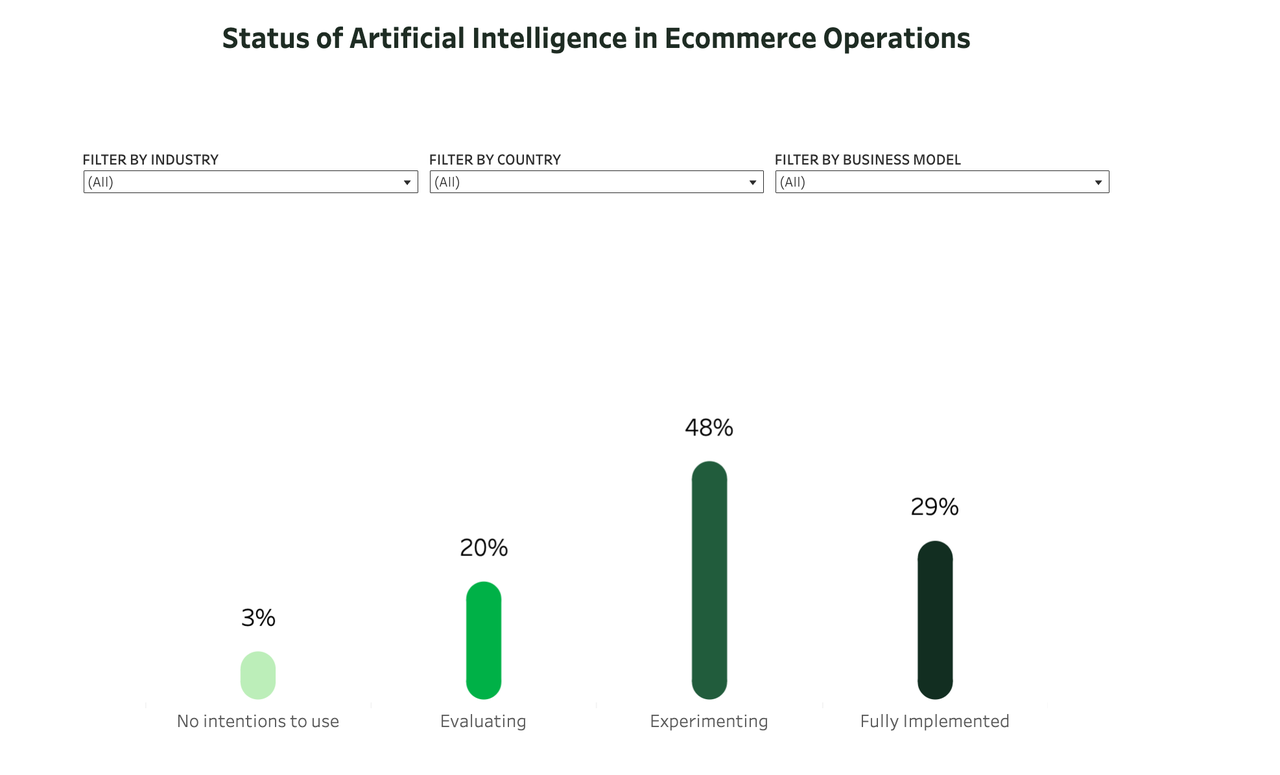
According to Salesforce, 20% of sellers are evaluating AI, 48% are experimenting with it, and 29% have fully implemented it, while only 3% have no intention to use it. But why is this shift happening? The advantages are far from theoretical. AI offers tangible benefits, including:
- Higher efficiency and lower operating costs: AI automates repetitive tasks like product research and customer support, reducing the need for manual labor and minimizing operational overhead.
- Faster decision-making: By analyzing vast amounts of data in real time, AI helps sellers make informed decisions quickly, allowing them to adapt to market changes without delays.
- Better product-market fit: AI tools identify trending products and customer preferences, enabling sellers to choose items that are more likely to succeed and resonate with their target market.
- Improved conversion and retention: AI helps optimize pricing, marketing campaigns, and product recommendations, increasing the chances of converting visitors into customers and keeping them engaged long-term.
- Personalized customer experiences: AI tailors product recommendations, emails, and ads based on user behavior, providing customers with a more relevant and engaging shopping experience.
In practical terms, AI does not replace strategy. It removes friction. Sellers spend less time guessing and more time refining what already works.
How does it work? Is AI dropshipping easy?
AI dropshipping operates as a connected system rather than a single tool.
- AI scans marketplaces such as Amazon, TikTok Shop, and Google Trends to identify demand signals.
- Content models generate product descriptions, ad copy, and blog articles aligned with search intent.
- Pricing engines adjust prices dynamically based on competitor movement and conversion data.
- Marketing platforms personalize emails and ads using behavioral data.
- Chatbots resolve customer inquiries instantly, around the clock.
Is it easy? Compared with traditional dropshipping, yes. AI accelerates execution, and judgment remains human. No-code platforms and prebuilt integrations significantly lower the barrier to entry. However, "easy" does not mean "hands-off." You still need to test product assumptions, monitor automation logic, and validate performance metrics.
How to do AI dropshipping? 6 simple steps for beginner
Launching an AI dropshipping store is more structured than most people expect. Below is a realistic, beginner-friendly roadmap.
Step 1: Select your niche
Start with a focused AI prompt rather than open-ended browsing. In Google Gemini, try:
"Compare these three niches for a dropshipping store in 2026: pet wellness, home organization, and portable fitness gear. Score each by search volume trend, Amazon competition level, and average selling price. Recommend the strongest one for a first-time seller."
Gemini will return a comparative breakdown you can act on immediately. From there, validate commercially — check Amazon Best Sellers and TikTok Shop trending categories to confirm real purchase intent, not just curiosity traffic. Use Helium 10 to pull monthly sales estimates for your top candidate.
- Common mistake: Choosing a niche based on personal interest without checking supplier availability. If you can't source the product reliably with margins above 30%, the niche doesn't work regardless of demand.
- You're ready for Step 2 when: You have one validated niche with confirmed supplier options, competitive search volume, and a realistic margin target.
Step 2: Source winning products
With your niche confirmed, the goal is a shortlist of 10–20 products with verified demand and healthy margins — not a gut-feel guess. Use Browse AI to scrape supplier and marketplace pages automatically. Set filters for customer ratings above 4.5 stars, shipping times under 10 days, and a minimum 30% profit margin after fulfillment costs. This replaces hours of manual tab-switching with a structured, comparable shortlist.
If you prefer a more guided approach, dropshipping platforms with built-in AI product pickers surface hot-selling and high-margin items directly — no scraping setup required. Recommendations are driven by historical sales data, engagement signals, and demand velocity. You select, import, and move on.
Once your shortlist is set, use AI to layer in seasonality: prompt ChatGPT or Gemini with "Which of these products are likely to see demand spikes between October and December based on historical trends?" and adjust your import priorities accordingly.
Step 3: Create content and image
Product content does two jobs: it ranks in search and it converts visitors. Treat them as separate tasks. For product descriptions, use a prompt like:
"Write an SEO-optimized product description for calming dog chews. Target audience: dog owners with anxious pets aged 2–8 years. Tone: warm and reassuring. Include one key benefit per sentence, a short ingredient highlight, and a clear call to action. Length: 120–150 words."
For images, upload a plain product photo and prompt an AI image tool with: "Professional studio shot of calming dog chews on a light oak wooden table, soft natural lighting, white background, clean and minimal." This produces conversion-ready visuals without a photoshoot.
If you're building on Shoplazza, the platform generates marketing visuals automatically as you build product pages,so imagery and layout come together in the same workflow rather than as separate tasks. You should notice that every product has a unique description, at least one optimized image, and a clear, benefit-led headline.
Step 4: Build your store with AI
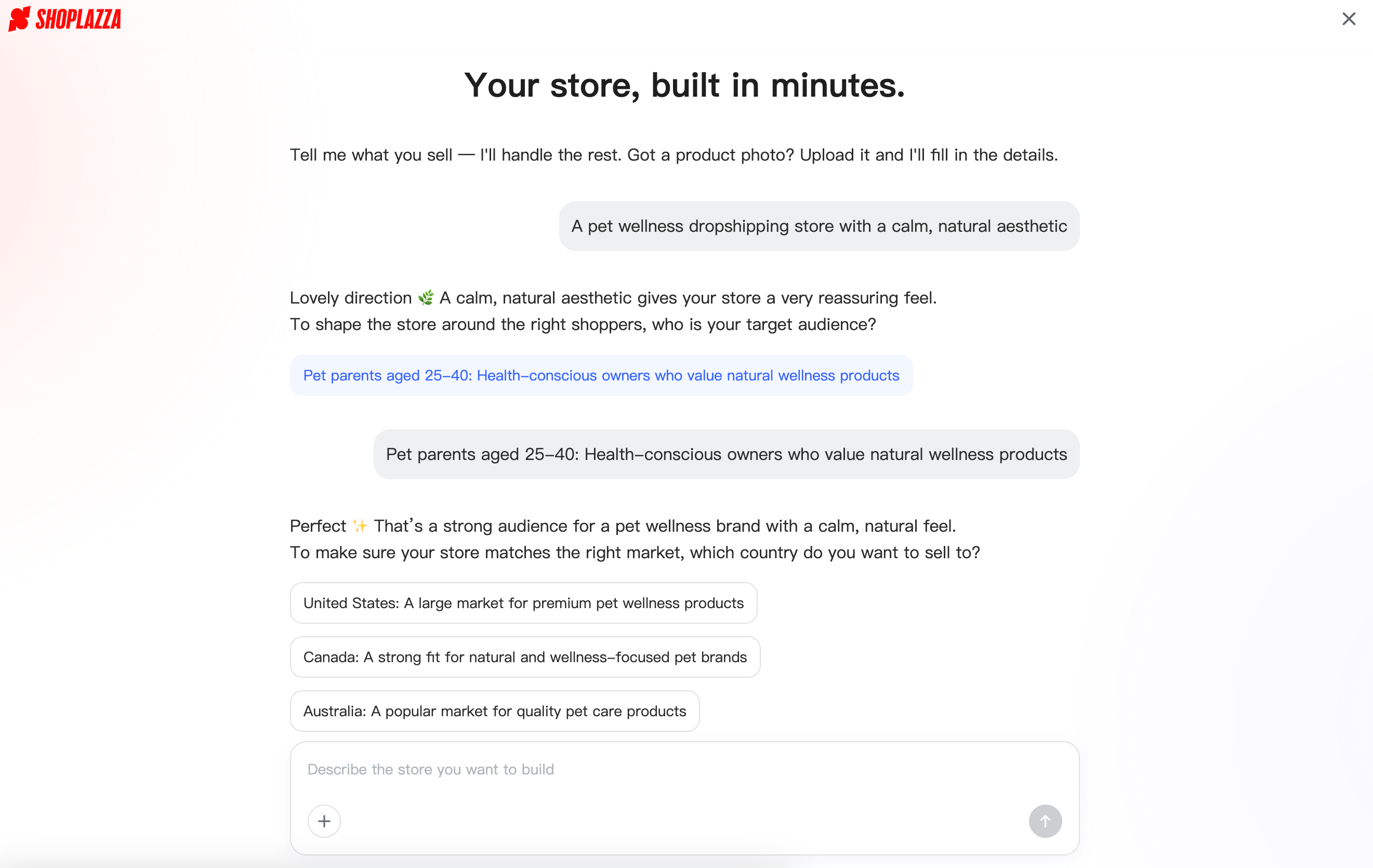
With products and content ready, the next step is assembling a store that's built to sell, not just built to exist. Shoplazza's AI dropshipping store builder generates three fully designed store options from a single text prompt, no sign-up or coding required. Describe your store in one sentence, like "A pet wellness dropshipping store with a calm, natural aesthetic", and within minutes you get three complete website designs, each including product pages, navigation, checkout, an About page, and store policies. You can preview and regenerate freely before ever creating an account.
When you're ready to publish, the setup continues inside the Shoplazza editor:
- Customize layouts, content blocks, and visuals without touching code
- Connect CJdropshipping or other dropshipping suppliers to sync products, inventory, and order fulfillment directly within the platform.
- Activate payments, logistics, and marketing tools in one step rather than configuring each separately.
Because everything in Shoplazza is pre-wired for eCommerce and dropshipping, not adapted from a general-purpose website builder, there are fewer integrations to configure and a shorter distance between store creation and first sale. Whether you're launching your first store or your tenth, the setup process stays the same: fast, guided, and fully functional from the first prompt.
Before moving to Step 5, you may confirm your store is live, products are imported, checkout works end-to-end, and at least one payment method is active.
Step 5: Set up marketing and automation
With your store live, the focus shifts to acquisition, conversion, and retention. Shoplazza simplifies this stage by offering multiple marketing tools and plugins at no additional cost, reducing reliance on complex third-party setups.
You can configure dynamic pricing, launch ad campaigns across Google Ads and Meta, and enable email personalization directly within the Shoplazza ecosystem. The platform also integrates seamlessly with major social media channels—including Facebook, Instagram, TikTok, and Pinterest—making it easier to sync products, track performance, and run cross-channel campaigns from a centralized dashboard.
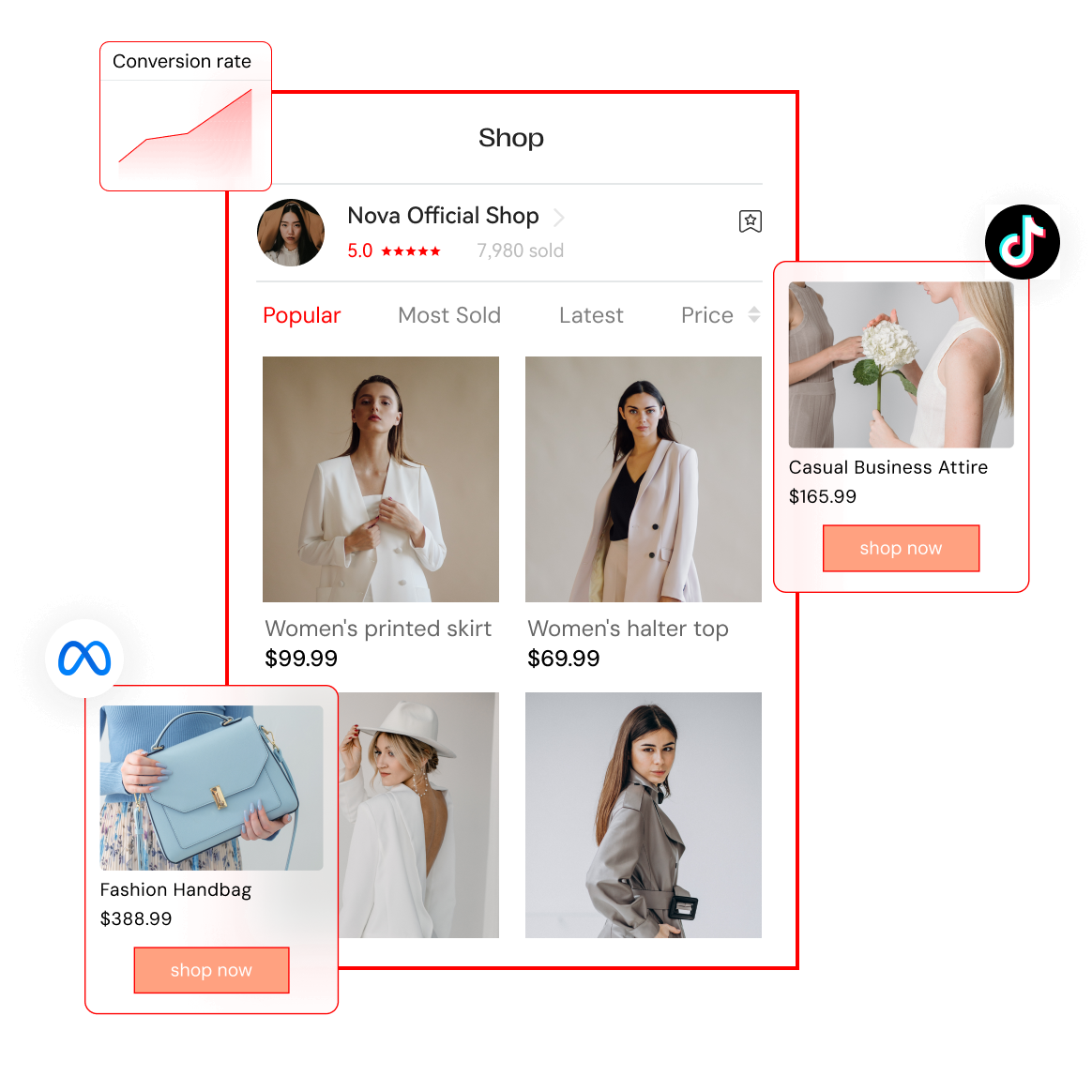
To strengthen retention and repeat purchases, Shoplazza supports AI-powered loyalty automation through Loyalty & Push. It can use AI to automatically configure checkout incentives, membership tiers, and discount strategies based on your store's order value, customer behavior, and profit goals, so promotions are optimized without manual rule setup. Or, you can also consult the built-in AI Agent for data-driven recommendations on loyalty structures and discount adjustments, then apply them instantly with one click.
Step 6: Deploy customer service and analytics
This step is where most beginners cut corners and where long-term stores separate themselves. You can deploy an AI chatbot to handle tier-one inquiries, including order status, shipping timelines, return policies, and product FAQs. Resolving these automatically keeps response times under two minutes and frees your attention for escalations that genuinely need human judgment.
On the analytics side, track three core metrics from day one:
- Customer acquisition cost (CAC): What you spend to bring in one paying customer
- Average order value (AOV): The average transaction size — your primary lever for margin improvement
- Repeat purchase rate: The share of customers who buy more than once — the clearest signal of product-market fit and brand health
Set a weekly review cadence rather than checking daily. Daily fluctuations create noise; weekly trends reveal patterns worth acting on.
Top 15 AI tools you may use when building a drosphipping store
To AI build a dropshipping store efficiently, specialized tools are essential. These tools, plugins, and platforms enhance sites with no-code building, automated content generation, and workflow automation, speeding launch and boosting conversions.
Shoplazza: AI dropshipping store builder
Website: https://www.shoplazza.com/ai-cj-dropshipping-store
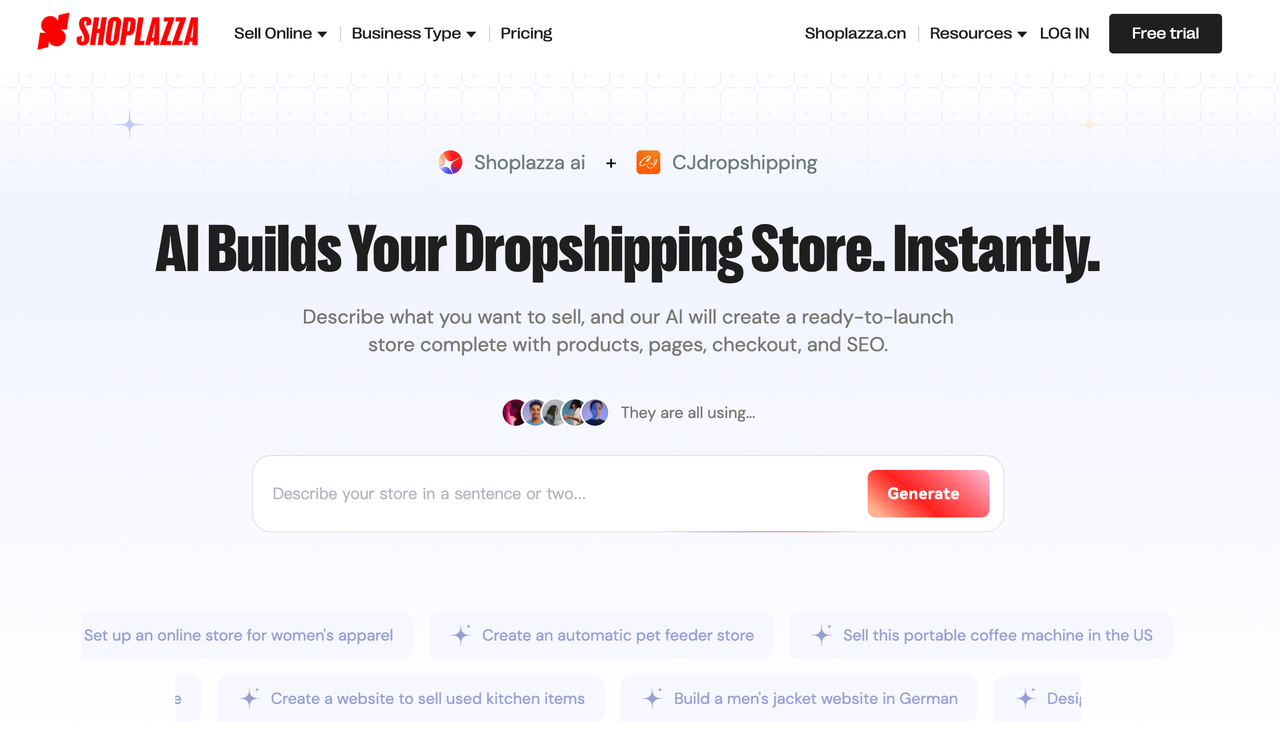
Shoplazza lets you generate a complete, ready-to-sell dropshipping store from a single text prompt. No coding, no registration required to preview. Its Page Builder lets you rearrange layouts, carousels, and product modules freely. Built-in integrations with CJdropshipping handle inventory syncing and global fulfillment automatically, while one-click connections to payments, logistics, and marketing channels mean you spend less time on setup and more time on growth.
LazzaStudio: AI product image generator
Website: https://www.shoplazza.com/blog/lazzastudio-debut (This function is provided by and included in Shoplazza.)
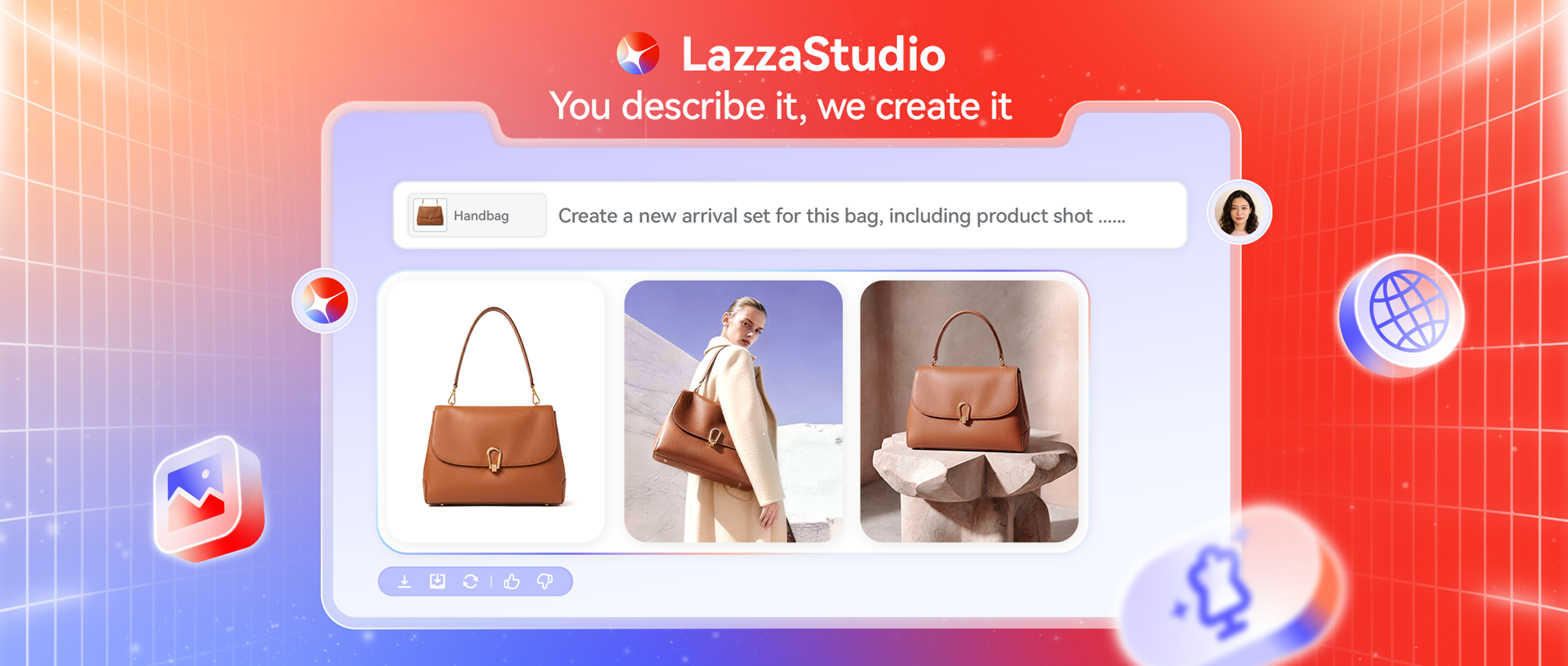
LazzaStudio is Shoplazza's built-in AI image tool designed specifically for eCommerce product visuals. Describe what you need in plain language — no prompt engineering or design skills required — and the system generates 2K or 4K commercial-grade images in minutes. It supports global AI models across diverse skin tones and body types, restores old or low-resolution product photos, and includes a Brand Bible feature to keep visual output consistent across every channel. New users get 100 free points to start.
SocialEcho: Social media AI workspace
Website: https://appstore.shoplazza.com/listing/socialecho/?locale=en-US
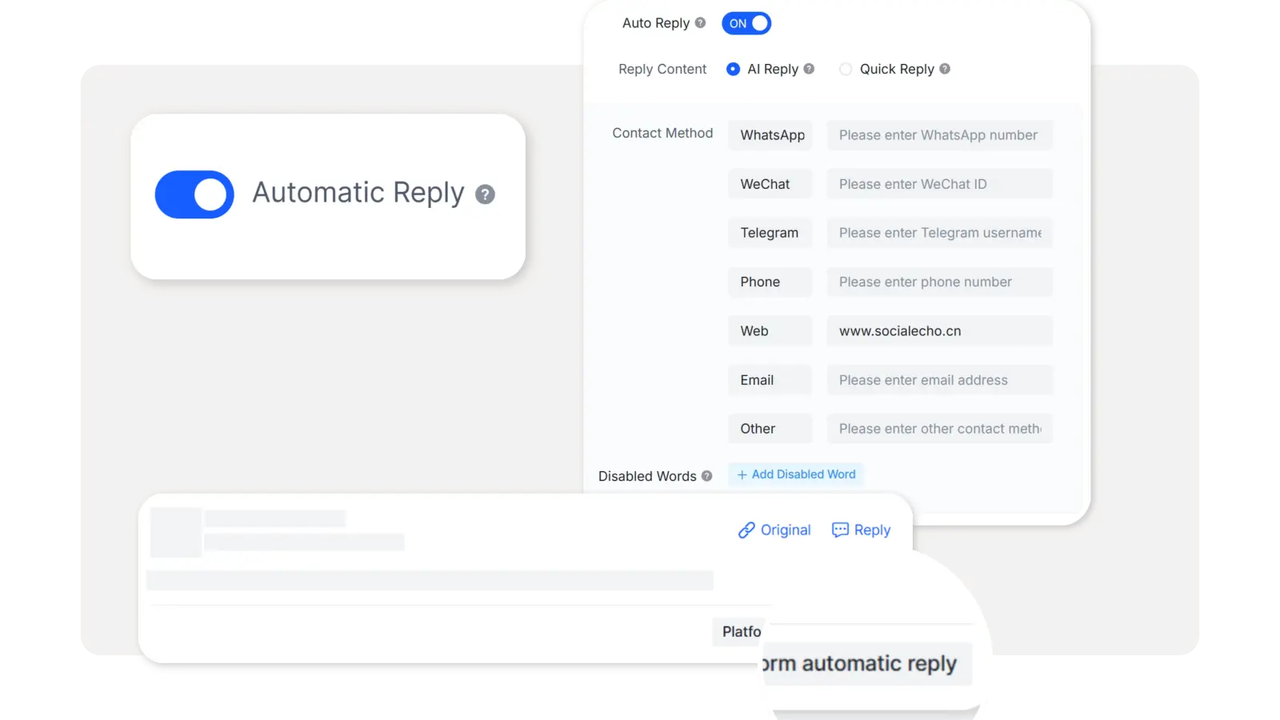
Managing multiple social accounts across Facebook, Instagram, and TikTok simultaneously is where most sellers lose hours. SocialEcho consolidates this into a single AI-powered workspace. It schedules posts across platforms, generates sentiment-based comment responses, tracks competitor activity, monitors branded keywords, and surfaces performance analytics — all without switching tabs. For dropshippers running paid and organic social in parallel, it removes the coordination overhead that typically requires a dedicated team.
CustomFit AI: A/B testing and CRO tool
Website: https://appstore.shoplazza.com/listing/customfit-ai/?locale=en-US
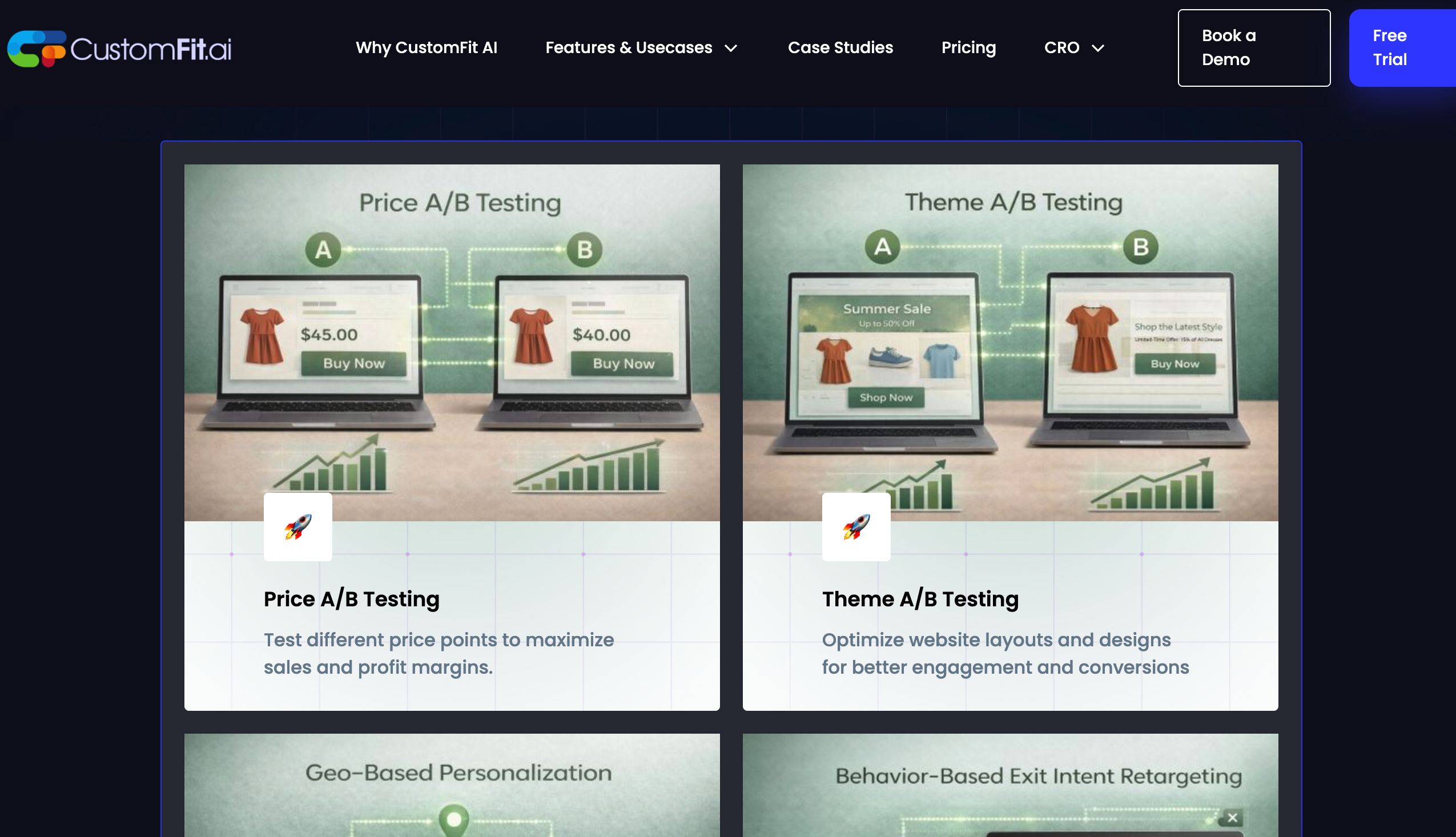
Driving traffic to your store is only half the job. CustomFit AI handles the other half by testing what actually converts. It lets you run no-code A/B experiments on product pages, pricing, layouts, banners, and CTAs — no developer needed. AI-powered optimization automatically identifies which variations perform best and applies them, while geo-based personalization adjusts content for visitors from different regions. Real-time analytics surface what's working so you can act on data, not assumptions.
Gemini: Market research and content assistant
Website: https://gemini.google.com
Gemini functions as a research partner that compresses hours of manual work into minutes. For dropshippers, it's most useful in the early stages: analyzing demand trends across Google, Amazon, and TikTok simultaneously, scoring niche viability, and generating SEO-optimized product descriptions or blog content based on specific prompts. It can also predict emerging market shifts based on industry signals, giving sellers a competitive edge when timing product launches around rising demand.
n8n: Workflow automation platform
Website: https://n8n.io
n8n connects your store's tools and automates the workflows between them — without writing code. For dropshipping operations, this means automatic order routing to suppliers, inventory level updates triggered by stock thresholds, and marketing actions fired by customer behavior. Its AI-driven nodes handle conditional logic, so rules adapt dynamically rather than requiring manual updates. Sellers managing multiple channels or suppliers particularly benefit from n8n's ability to sync data across platforms in real time.
CustomGPT.ai: Custom AI chatbot builder
Website: https://customgpt.ai
CustomGPT.ai trains a GPT-4-powered chatbot on your store's own data — product catalog, FAQs, policies, and order information — so customer inquiries get accurate, context-specific answers rather than generic responses. It handles order status checks, shipping questions, return requests, and product comparisons around the clock in multiple languages. For dropshipping stores with high inquiry volume and no dedicated support team, this is one of the highest-leverage automations available.
Canvas: AI image and creative generator
Website: https://canvas.ai
Canva's AI tools go beyond basic design templates. Its text-to-image generation, background removal, and Magic Edit features let dropshippers produce product mockups, social post graphics, and ad creatives from prompts — without design experience. The ability to generate multiple creative variations quickly makes it well suited for A/B testing ad visuals across Facebook, Instagram, and TikTok, where creative fatigue is a constant challenge.
Zeely: AI video ad creator for YouTube
Website: https://zeely.ai
Video is increasingly the highest-converting ad format, particularly on YouTube and TikTok. Zeely generates complete video ads from a product URL, handling scriptwriting, editing, voiceover, and audience targeting parameters automatically. Dropshippers can produce multiple ad variations for split testing without video editing skills or production costs, making it practical to run video campaigns at the scale that typically requires an in-house creative team.
Browse AI: Competitor and market scraper
Website: https://browse.ai
Browse AI deploys no-code robots that monitor competitor websites and supplier pages continuously, extracting pricing data, product listings, and promotional strategies. For dropshipping specifically, this means knowing when a competitor drops prices, adds new products, or changes their positioning without manual checking. The data feeds directly into structured reports, making it useful for both product sourcing decisions and ongoing competitive intelligence.
Logo Diffusion: AI logo and brand identity tool
Website: https://logodiffusion.com
A credible brand visual identity matters more in cross-border eCommerce than most sellers expect. Logo Diffusion generates unique vector logos from text prompts, with style controls, mockup previews, and 4K upscaling for print and digital use. For dropshippers building a branded store rather than a generic catalog site, it provides a fast, affordable path to professional brand assets without hiring a designer.
Creatify: AI product video creator
Website: https://creatify.ai
Creatify turns a product URL into a complete video ad — script, visuals, AI avatar presenter, and voiceover, includingg exported in formats ready for Facebook, TikTok, and YouTube. Unlike general video tools, it's built specifically for eCommerce, with templates optimized for product demonstration and purchase intent. Dropshippers can generate multiple ad variations in different styles and lengths, then test which performs best before committing to a paid campaign.
Murf AI: AI voiceover generator
Website: https://murf.ai
Murf AI produces natural-sounding voiceovers in 20+ languages with controls for tone, pace, and emotion. For dropshipping stores targeting multiple international markets, this means a single product demo video can be localized into several language versions without re-recording or hiring voice talent. The output quality is consistently professional, making it practical for both product videos and brand content across channels.
Castmagic: AI voice-to-content tool
Website: https://castmagic.io
Castmagic converts audio and video recordings into ready-to-publish written content — blog posts, social media captions, email newsletters, and marketing summaries — automatically. For dropshipping sellers who create product walkthroughs, supplier call recordings, or promotional videos, this means every piece of spoken content becomes a reusable written asset without manual transcription. It's particularly useful for sellers building content marketing as a traffic channel but without dedicated copywriting resources.
ViSenze: Visual search engine
Website: https://www.visenze.com
ViSenze adds image-based product discovery to your store. Shoppers upload a photo of something they like, and the engine surfaces matching or similar products from your catalog. For fashion, home décor, and lifestyle categories where customers often know what they want visually but struggle to describe it in text, this capability reduces search friction significantly and increases the likelihood of conversion. It's one of the more differentiated features available for product discovery optimization.
Power your dropshipping business with AI
AI dropshipping is not about removing humans from commerce. It is about removing inefficiency. When research, content, pricing, and support are automated intelligently, founders gain time to focus on brand, positioning, and long-term growth. Ready to get started? Why not give it a try? Use the Shoplazza AI dropshipping builder for free to create your first online store, complete with product pages, checkout, and policies, and experience the convenience of AI-powered store building.
FAQ about AI dropshipping
Q1: What makes AI dropshipping different from traditional dropshipping?
AI dropshipping leverages artificial intelligence to automate and optimize key processes, including product research, pricing, content creation, marketing, and customer service. Unlike traditional dropshipping, which relies heavily on manual decision-making and repetitive tasks, AI provides data-driven insights, predictive analytics, and personalized automation. This allows sellers to respond faster to market trends, reduce errors, and scale operations more efficiently.
Q2: Is AI dropshipping legal?
Yes. AI dropshipping is fully legal as long as sellers comply with applicable consumer protection laws, platform policies, tax regulations, and data privacy requirements. Using AI tools to automate product listings, marketing, and customer service does not violate any laws, but sellers remain responsible for the accuracy of product information, ethical marketing practices, and secure handling of customer data.
Q3: Do I need coding skills to start AI dropshipping?
No. Modern AI dropshipping tools and store builders like Shoplazza are designed to be no-code, making them accessible to non-technical users. From product pages to marketing campaigns, most platforms provide guided workflows and prebuilt templates. This allows beginners and experienced sellers alike to launch a professional, functional store without writing a single line of code.
Q4: Can AI fully replace human oversight in dropshipping?
No. While AI excels at executing tasks, analyzing data, and optimizing operations, strategic decisions, still require human judgment. AI acts as a powerful assistant who reduces repetitive work and providing insights, but the store owner must oversee key decisions, refine strategies, and ensure long-term business sustainability.
Q5: How much does it cost to start AI dropshipping?
You can preview and generate a complete AI-powered store for free on Shoplazza—no registration needed. Shoplazza includes nearly all features within its subscription, covering built-in analytics, marketing plugins, product imports, and workflow automation. About 90% of core features are free and satisfy basic needs. Paid plan starts from $39/month, with an annual flagship plan offering full functionality and cost efficiency.
Q6: Is AI dropshipping suitable for beginners?
Yes. AI dropshipping is beginner-friendly due to structured tools, guided workflows, and no-code store builders. Beginners can launch faster while automating complex tasks like product research, marketing, and customer support. Success requires consistent testing, learning, and adaptation, but AI significantly reduces the technical barriers, allowing new sellers to focus on strategy and growth from day one.