If you sell on Amazon and your margins feel tighter this year even though sales haven't dropped, that's not a coincidence. Amazon has updated FBA fees in both the US and Europe stores over the past several months, and together these changes touch nearly every stage of fulfillment, from inbound shipping to storage to peak season delivery. If the US and Europe are your core markets, it's worth going through these changes in detail to see exactly where costs are rising and which of your products are affected.
Why Amazon is adjusting fees again?
Amazon issues a fee update for the coming year around the end of each year, and this is standard practice. 2025 was unusual in that referral and FBA fees in the US store didn't increase at all. For 2026, Amazon's official notice states that fulfillment fees will rise by an average of $0.08 per unit sold, or less than 0.5% of an average item's selling price, a smaller increase than the 3.9% to 5.9% annual rate hikes from major US carriers.
That $0.08 average doesn't tell the whole story. The actual increase varies by price tier, product size, and how long inventory sits in a fulfillment center. Everything below comes from Amazon's official seller notices, so you can verify the dates and figures directly on Amazon's own pages.
US store fee changes, in effect since January 15
The US fee update took effect January 15, 2026, and covers fulfillment fees, inbound fees, packaging fees, and inventory management fees. Referral fees didn't change.
Standard-size fulfillment fees increase by price tier
This is the change with the widest reach, since it affects nearly every seller shipping small items.
| Price range | Small standard | Large standard |
| Under $10 | +$0.12 per unit on average, plus the Low-Price FBA discount rises from $0.77 to $0.86 | No change |
| $10 to $50 | +$0.25 per unit on average | +$0.05 per unit on average |
| Over $50 | +$0.51 per unit on average | +$0.31 per unit on average |
The pattern is straightforward: the higher the price, the bigger the increase. Items under $10 got a slightly larger discount to help offset their fee increase. The steepest impact lands on small standard items priced between $10 and $50, a range that covers a lot of home goods and electronics accessories.
Inventory management fees get stricter
Amazon's official notice lays out specific new tiers for the aged inventory surcharge:
| Inventory age | Fee |
| 12 to 15 months | $0.30 per unit per month (up from $0.15), or $6.90 per cubic foot, whichever is greater |
| Over 15 months | $0.35 per unit per month, or $7.90 per cubic foot, whichever is greater (this tier is new) |
Amazon says this change is meant to bring inventory holding costs closer in line with actual storage costs and to encourage sellers to move slow-selling stock sooner. At the same time, removal and disposal fees for standard-size aged inventory under 0.5 lb dropped by $0.20 per unit, making it cheaper to clear that inventory out.
The low-inventory-level fee also changed how it's assessed, moving from the parent ASIN to the individual FNSKU, with the threshold set at fewer than 28 days of supply. Coverage now extends to small and large bulky items, though grocery items remain exempt.
In practice, this means managing inventory turnover SKU by SKU rather than at the parent listing level. Products approaching 12 months in a fulfillment center need a clear plan before they slide into a more expensive tier.
Inbound fees are now combined into one charge
Amazon used to charge inbound placement fees and inbound defect fees separately. Now, if a shipment arrives late, gets misrouted, or never arrives, Amazon charges a single inbound defect fee averaging $0.60 per unit. Standard-size items shipped through a single distribution point see a $0.05 average increase in placement fees, and large standard items between 3 and 20 lb now have five new weight brackets for more granular pricing.
A new packaging fee for oversize items without SIPP certification
Amazon removed the old Ships in Product Packaging (SIPP) discount for oversize items and lowered the base fulfillment fee for that category instead. Small bulky items now see an average $2.06 drop in fulfillment fees, large bulky items drop $0.26, and extra-large items drop $2.08.
That drop comes with a condition. The product has to be SIPP certified to ship in its own packaging. If it isn't certified, Amazon adds a packaging fee that averages $2.07 per unit, which offsets most or all of the fulfillment fee savings. Net effect: an uncertified product could end up costing more, not less. If you sell furniture, fitness equipment, pet products, or anything else in the bulky size tiers, it's worth recalculating your costs if you haven't gone through SIPP certification yet.
Multi-channel fulfillment fees are going up
If you use FBA inventory to fulfill orders from your ecommerce store, eBay, or other channels, Multi-Channel Fulfillment (MCF) fees rise by an average of $0.30 per unit, and Buy with Prime fulfillment fees rise by an average of $0.24 per unit.
The UK and Germany stores are adding a peak season fulfillment fee
The US changes have been in effect for over half a year now. Europe is next, with new fees tied to the upcoming Prime Big Deal Days and holiday season. Amazon confirmed in mid-July that from October 15, 2026 through January 14, 2027, the UK and Germany stores will apply a peak season fulfillment fee covering Black Friday, Cyber Monday, Christmas, and New Year's. Alongside that, Amazon is also updating promotion fees for this year's peak events, so sellers need to budget for both in their Q4 planning.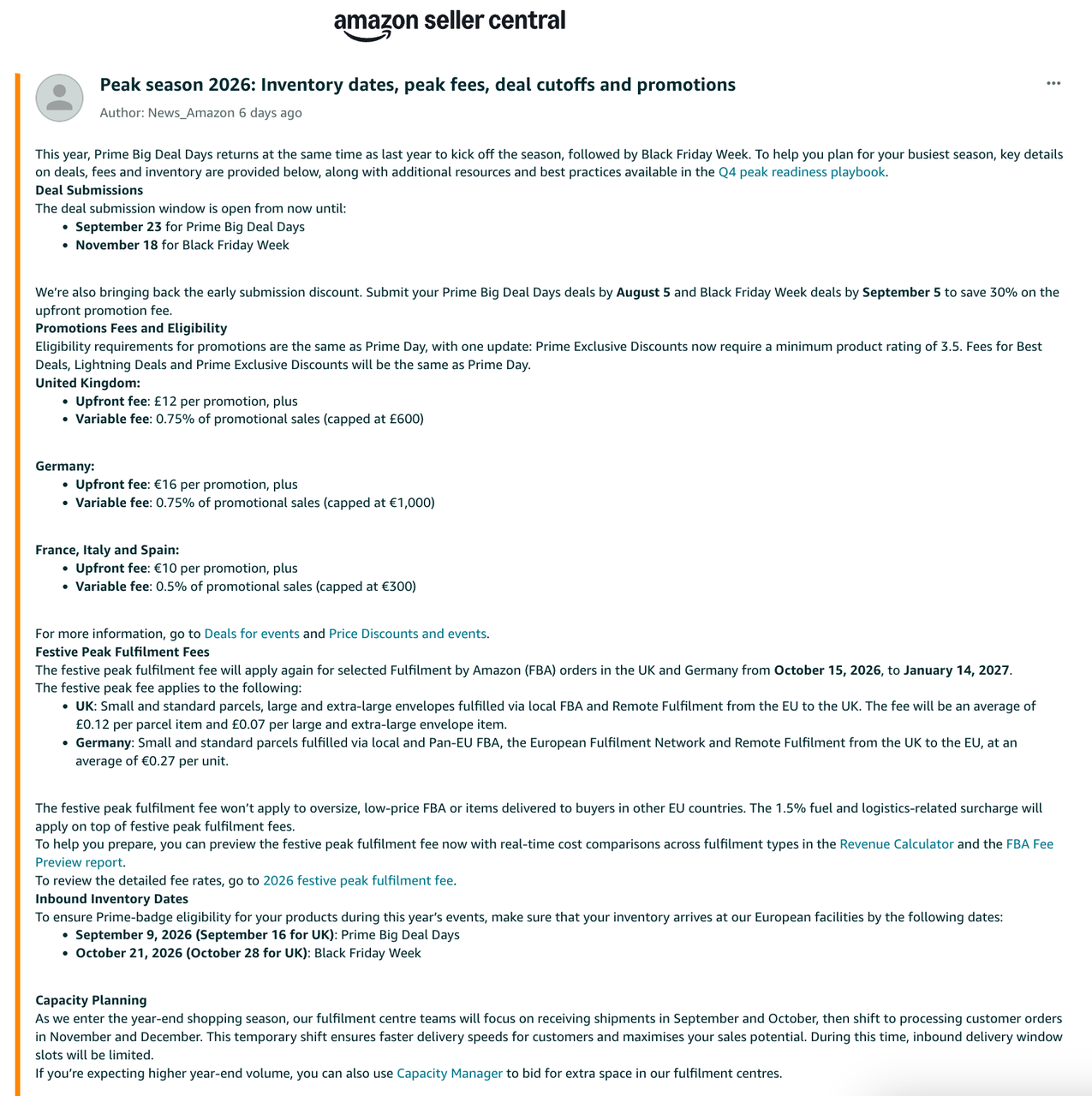
Peak season fulfillment fee
| Store | Applies to | Coverage | Average peak fee |
| UK | Small and standard parcels | Local FBA, remote fulfillment from the EU to the UK | £0.12 per unit |
| UK | Large and extra-large envelopes | Same as above | £0.07 per unit |
| Germany | Small and standard parcels | Local FBA, Pan-European FBA, European Fulfilment Network, remote fulfillment from the UK to the EU | €0.27 per unit |
Oversize products, items enrolled in Low-Price FBA, and some orders delivered to buyers in other EU countries are exempt from this fee. The existing 1.5% fuel and logistics surcharge in Europe still applies on top of the peak fee, and that's a separate charge from the 3.5% fuel surcharge in the US store, so keep the two calculations apart.
Amazon's official rate card also shows that peak season storage fees are going up at the same time:
| Store (standard-size, non-apparel) | Off-peak (January to September) | Peak (October to December) | Increase |
| UK | £0.76 per cubic foot per month | £1.51 per cubic foot per month | Nearly double |
| Germany, France, Italy, Spain | €27.54 per cubic metre per month | €52.20 per cubic metre per month | Nearly double |
In other words, the peak fulfillment fee and the peak storage fee stack on top of each other. Sellers whose inbound shipments land right around mid-October will feel the biggest cost swing.
Promotion fees for Prime Big Deal Days and Black Friday Week
If you're running deals during Prime Big Deal Days or Black Friday Week, budget for a separate promotion fee:
| Country | Upfront fee | Variable fee |
| UK | £12 per promotion | 0.75% of promotional sales, capped at £600 |
| Germany | €16 per promotion | 0.75% of promotional sales, capped at €1,000 |
| France, Italy, Spain | €10 per promotion | 0.5% of promotional sales, capped at €300 |
Eligibility requirements match Prime Day, with one new condition: Prime Exclusive Discounts now require a minimum product rating of 3.5.
The US and Canada stores are also applying a peak season fulfillment fee over the same period, at roughly the same rate as last year, with exact tier rates available on the seller's own account page. Whether your main market is the US or the UK and Germany, costs across fulfillment, storage, and promotions all climb once mid-October hits, so it's worth factoring all of these into your budget ahead of time.
Which sellers will feel this the most?
- Sellers of small standard items priced between $10 and $50, where the fee increase is most concentrated. Home goods, kitchenware, and beauty tools are especially exposed.
- Furniture, fitness equipment, and pet product sellers, where getting SIPP certified is the deciding factor between this update being a net cost or a net saving.
- Sellers with long replenishment cycles or slow turnover, where tighter aged inventory and low-inventory-level thresholds mean costs show up faster.
- Sellers who fulfill orders for their ecommerce store or other channels through FBA inventory, since the multi-channel fulfillment fee increase adds up across every order.
- Sellers planning a big push during the UK and Germany peak season, since any order shipped after October 15 is billed at peak rates regardless of when it was placed.
Sellers need to rethink inventory and fulfillment strategy
Looked at together, these changes point in one direction: Amazon rewards fast turnover and penalizes slow-moving stock. The old approach of stockpiling ahead of peak season and hoping demand catches up now costs noticeably more. Here's how to adjust, and what tools actually help.
Audit aged inventory
Start with the inventory health report in your seller account and pull the age of every SKU, flagging anything approaching 12 months in storage. Those are the items most likely to trigger extra fees.
Here's the math for a US-based example. A product with a $3 monthly storage fee that crosses the 12-month mark now adds $0.30 per unit per month in aged inventory surcharge, or $6.90 per cubic foot, whichever is higher. If that product only sells a handful of units a year, the cost of keeping it in storage will likely exceed the cost of discounting it or pulling it out entirely.
This isn't a blanket call. Work through SKU by SKU. A strong seller with a long shelf life needs a different response than a genuinely slow mover. One might just need a tighter replenishment schedule; the other needs to go.
Get oversized products SIPP certified
For furniture, fitness equipment, and pet products, SIPP certification isn't optional anymore. It's the single biggest factor in whether this update helps or hurts your margins.
Certification requires packaging that meets Amazon's drop-test standards, with minimum dimensions of 6 x 4 x 0.375 inches, and once certified, you ship in your own packaging without Amazon adding extra materials. Uncertified oversize products pay an average $2.07 packaging fee per unit, which cancels out most of the fulfillment fee savings this update was supposed to bring. For sellers shipping high volumes, that difference adds up fast over a year, so it's worth prioritizing certification with your product and packaging teams now.
Split your peak season shipments
October 15 is a hard line. Every order shipped after that date, whether from the US, UK, or Germany store, gets billed at peak rates, and storage fees jump by nearly double at the same time.
Rather than sending a full season's worth of inventory in one shipment before mid-October, split it into two batches:
- Send the first batch in before October 15 to cover early peak season demand at off-peak rates
- Send a second batch mid-season based on actual sales data, instead of front-loading everything before the peak rate kicks in
Plan your inbound shipment slots early, since September and October are already the busiest receiving window at Amazon's fulfillment centers, and capacity gets tight.
Consider an overseas warehouse
For mid-size and large items, a third-party overseas warehouse is worth a real cost comparison, not just a backup option. Warehouse pricing is simpler than FBA, with no aged inventory tiers and no SIPP packaging fee to worry about. Local delivery typically takes 1 to 3 days, much faster than the 5 to 15 days common with cross-border direct shipping, which also cuts down on cart abandonment and negative reviews. Inventory in a third-party warehouse also isn't locked to one sales channel. The same stock can fulfill orders from Amazon, your ecommerce store, eBay, or any other channel, so you're not stuck adjusting your entire inventory strategy every time Amazon changes its rules.
Sell across more channels reduces how much any single platform can hurt you
Amazon is still the main sales channel for most sellers, and this update doesn't change that. But fee structures shift every year, and the part you can control is not leaving all of your pricing power, customer data, and risk exposure in one platform's hands. Your own ecommerce store is where you can bring those things back under your control.
Test new products with dropshipping instead of stocking up front
For products still unproven in the US or Europe, stocking inventory first and waiting for sales to catch up carries more risk under this fee structure, since a wrong bet now triggers aged inventory fees sooner than before.
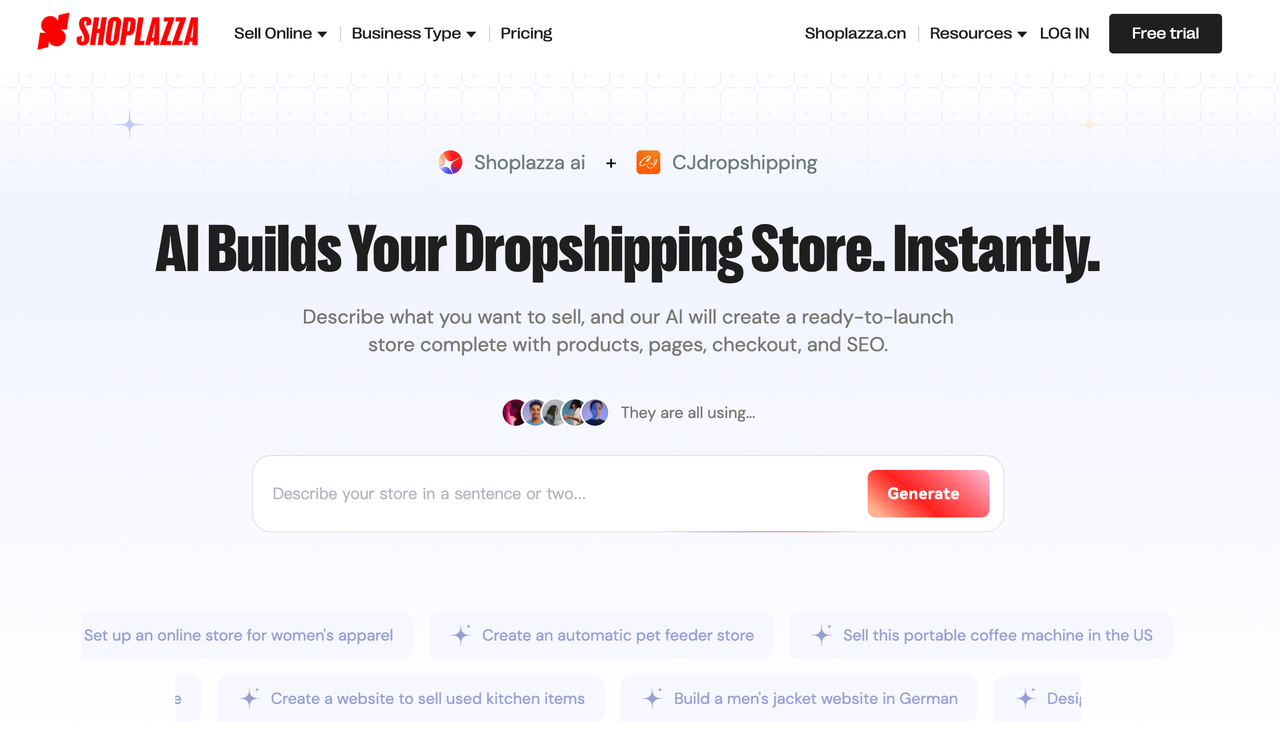
Dropshipping flips that sequence. List the product, test demand with real orders, and only commit to inventory once you have the data to back it up. Shoplazza's AI dropshipping solution lets you test demand in a new market without holding stock, with your supplier shipping directly against each order. Once the data confirms demand, you can decide whether to move to a third-party warehouse, keeping your testing costs as low as possible.
Spread risk across markets with multi-market management
This fee update doesn't hit every country or category evenly. Rather than absorbing a cost increase in a single market or platform, spreading your business across multiple markets means a rule change in any one place won't threaten the whole business.
Shoplazza's multi-market management feature lets you run multiple countries and regions from a single back end, with each market able to set its own language, currency, pricing, and tax display independent of the others. If the US fee increase is concentrated in a specific price range, you can adjust pricing for the US market alone through country-specific pricing, without touching your European pricing strategy at all.
For sellers already using Amazon FBA, Shoplazza's Amazon MCF connects your ecommerce store's orders directly to Amazon's fulfillment network. It automatically matches Amazon listings to your store's products through SKU mapping, syncs orders from your store into Amazon's MCF system as they come in, and ships them from Amazon's warehouse with a choice of standard, expedited, or priority delivery speed, all set up in three steps.
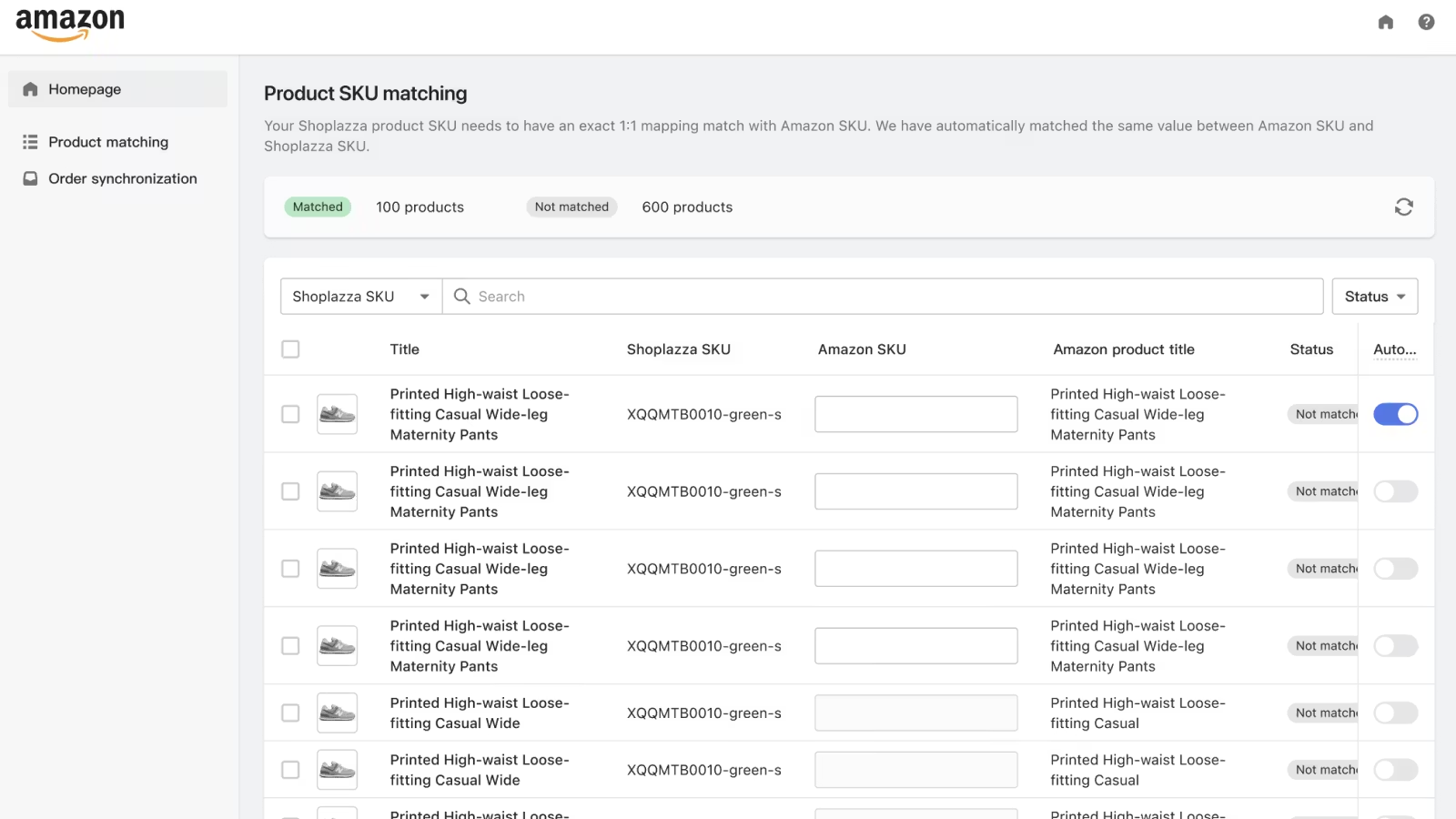
In practice, that means the same inventory sitting in an Amazon warehouse isn't limited to fulfilling Amazon orders. Your ecommerce store's orders can draw from the same stock. That's a meaningful efficiency gain under this fee update specifically, since you're already paying storage and aged inventory fees on that FBA stock. Rather than setting up a separate warehouse for your store, you get more use out of inventory you've already paid to store.
Build customer data you own
Amazon's fee structure changes every year, but the customer data you build on your own store doesn't disappear when Amazon's policies shift. Shoplazza's Loyalty & Push tools let you segment repeat customers by purchase frequency and target your most loyal buyers with tailored offers, building repeat purchase rate and average order value over time. That revenue stream isn't directly tied to Amazon's fee changes, giving you a more stable source of profit in years when platform costs rise.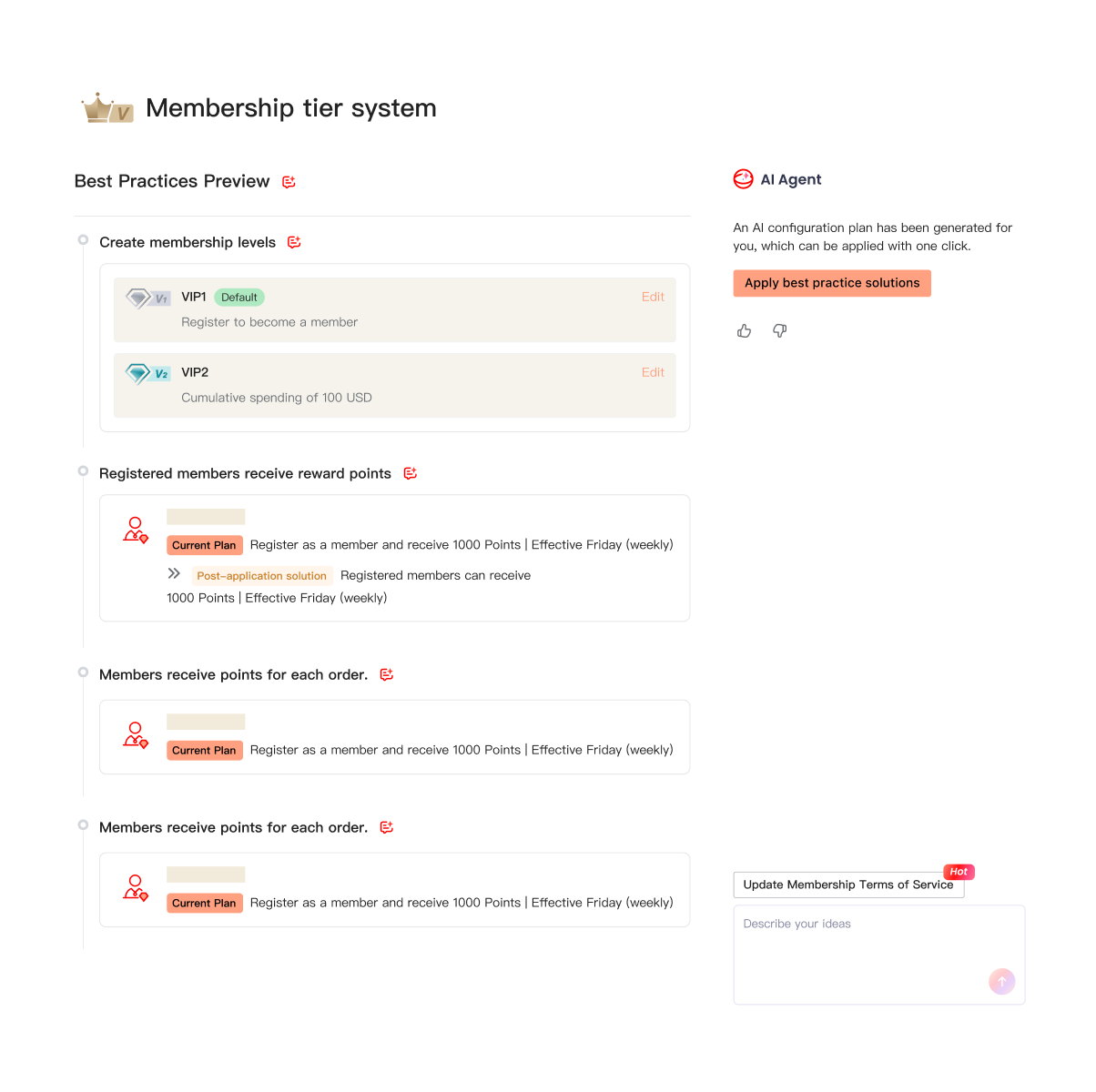
The bottom line
This fee update is routine rate management from Amazon in response to rising logistics costs. The standard fulfillment fee increases and SIPP packaging fee in the US, the inventory management changes, and the peak season fees in Europe all point the same direction: faster inventory turnover and a fee structure closer to Amazon's actual operating costs.
What you need to do is work through your product mix and channel setup, get SIPP certified where it matters, adjust your inbound timing, and add channels where it makes sense. Fee changes will keep happening every year, that part isn't going away, but preparing your fulfillment efficiency and channel structure ahead of time cuts down how much any single update can catch you off guard. From testing new products with dropshipping, to splitting fulfillment load across a third-party warehouse and Amazon MCF, to building an ecommerce store that spreads out platform risk, Shoplazza covers most of the tools you'd need across these steps.
Frequently asked questions about Amazon FBA fee
Q: Does this fee update hit smaller sellers hard?
If most of what you sell falls in the $10 to $50 range for small standard items, the increase will be noticeable. Run the numbers on your core SKUs first before deciding whether to adjust pricing.
Q: How do I know if my products are getting hit with the aged inventory surcharge?
Check the inventory health report in your seller account for the age of each SKU. Amazon's notice confirms the surcharge rises for inventory over a year old, with exact tier rates available on your account's fee page.
Q: How do I avoid the SIPP packaging fee?
Apply for Ships in Product Packaging certification for the product. Once certified, you avoid the packaging fee and get a lower fulfillment fee too. The application is in the FBA settings section of your seller account.
Q: Does the European peak season fee apply to every product?
No. Oversize items, products enrolled in Low-Price FBA, and some orders delivered to buyers in other EU countries are exempt.
Q: Besides FBA, what else can lower fulfillment costs?
It depends on the product and where it is in its sales cycle. Mid-size and large items are often a good fit for a third-party warehouse, which avoids the aged inventory surcharge and SIPP fee and tends to deliver locally faster. New products still being tested work well with dropshipping, so you're not committing to inventory before you have demand data. For products already in FBA, Amazon MCF lets your ecommerce store draw on the same warehouse inventory, so one batch of stock serves more than one channel and spreads out your per-unit fulfillment cost.