Activewear is one of the fastest-growing product categories in Australian ecommerce, and also one of the most misunderstood by new sellers. Most people who want to start an activewear brand think the hard part is finding the right leggings. It is not. The hard part is knowing exactly who you are selling to, what they need from their activewear, and why they would buy from you instead of the brands already in their gym bag. This guide covers the decisions that actually matter: finding your niche, sourcing product without a warehouse, building a visual identity that stands out, and reaching your first customers through existing fitness communities. No experience and no studio required.
Why Australia is one of the best markets to sell activewear online?
The market numbers are strong, but the real opportunity is not in the size of the market. It is in the specific gaps that large brands are still not filling. Here is what the data says and where the white space actually is.
The gym-to-lifestyle shift that is driving Australian activewear demand
The Australian activewear market reached USD 8.7 billion in 2025 and is projected to reach USD 13.2 billion by 2034. That growth is not coming from gym-only purchases. It is coming from a fundamental shift in how Australians wear activewear.
Leggings go to brunch. Hoodies do school pickup. Training sets replace casual outfits. Sports apparel is now worn in workplaces, social settings, and for everyday errands, not just in gyms or on sporting fields. For a new brand, that changes what the product needs to do. Buyers are not just asking about compression or moisture-wicking. They are asking whether the leggings look good at a café after Pilates or whether the set is versatile enough to justify the price.
The activewear niches with the least competition in Australia right now
Not all of the market is equally accessible to a new seller. The categories dominated by Nike, Lululemon, and STAX are difficult to enter on price or brand recognition alone. But several sub-categories remain genuinely underserved:
- Size-inclusive activewear. Most established brands still treat extended sizing as an add-on rather than a core design commitment. A brand built around inclusive sizing from the start — with cuts designed for larger bodies rather than simply scaled up from a size 8 sample — is addressing a real gap that Australian women have been vocal about.
- Teen girls' sport apparel. According to the Australian Sports Commission, an estimated 853,000 Australian girls aged 0-14 participated in organised outside-of-school sport at least once a week, with gymnastics, recreational dancing, and netball among their top activities. The practical target here is girls aged 8-17 — old enough to have their own preferences about what they wear to training, but underserved by brands that skew either adult or toddler.
- Post-workout and recovery wear. The category between activewear and loungewear — oversized hoodies, wide-leg joggers, soft-touch sets designed for the transition from studio to street — has growing demand and a scattered supply. It does not require performance fabric claims, which also removes a layer of legal complexity.
- Combat sports apparel. Muay Thai, Brazilian jiu-jitsu, and boxing participation in Australia has been rising steadily. Specialist gear for these sports exists, but lifestyle-adjacent apparel — training shorts, rash guards, gym bags that cross over into daily use — is mostly served by international brands with no local identity.
The biggest mistake activewear sellers make: trying to sell to everyone
Before sourcing a single product or building a single page, you need to answer one question clearly and most new founders get it wrong. Understanding why helps you avoid the trap.
Why "all fitness lovers" is not a target audience for activewear?
It is tempting to go broad. "Men, women, and children who love fitness" feels like a bigger opportunity than "women aged 25-38 who do Pilates three times a week." The problem is that these two audiences want completely different silhouettes, different fabric weights, different colorways, different price sensitivities, different Instagram aesthetics.
A brand that tries to serve everyone ends up looking generic, because its product choices, visual style, and content strategy are all compromised by the need to appeal to conflicting tastes. Broad activewear brands fail because they cannot say anything specific to anyone.
The framework that works is simple. Sport or activity type is combined with age range and primary use context:
- Are you selling for gym and strength training, or for yoga and Pilates, or for team sports, or for casual everyday wear?
- Are you targeting adults, teens, or both?
- Is the use context purely performance, or gym-to-lifestyle?
Those three decisions narrow your product range, clarify your visual direction, and tell you exactly where to find your first customers. Pick one intersection to start. You can always expand once you have a brand that means something to a specific person.
Four activewear audience profiles that work in the Australian market
Here are four specific profiles that have real, validated demand in Australia, each with its own visual language and product focus:
The Pilates and yoga woman (25-40)
She wants earth tones, minimal branding, seamless construction, and pieces that look intentional whether she is in the studio or getting a coffee after.
- Key products: high-waist leggings, longline sports bras, lightweight layers. Visual direction: sand, clay, sage, warm white.
The performance gym girl (18-28)
She wants compression fit, visible branding, bold coloring, and the kind of aesthetic that reads as serious about training.
- Key products: gym sets, sculpted leggings, crop tops. Visual direction: black with neon accents — electric blue, lime green, electric pink.
The teen girl athlete (13-17)
She plays netball, gymnastics, or swimming, she is price-sensitive, and she wants bright, energetic colors that reflect her sport.
- Key products: training shorts, sports tees, match-day sets. Visual direction: bright coral, bold pink, sky blue.
The athleisure everyday woman (28-45)
She is not going to the gym today but she is wearing activewear anyway. She wants relaxed fits, neutral palettes, premium fabric feel, and ideally inclusive sizing.
- Key products: oversized hoodies, wide-leg joggers, versatile sets. Visual direction: charcoal, oat, deep navy.
How to source activewear without holding inventory?
Once your audience is clear, the sourcing question becomes much easier to answer. Different audiences have very different product requirements, and not every sourcing model can meet them all.
Dropshipping activewear from local and overseas suppliers
Dropshipping gives you the widest product range at the lowest upfront cost, but activewear has specific return risks that require smarter product selection than other clothing categories.
Compression leggings and structured sports bras carry high return rates because the margin between "fits perfectly" and "does not fit at all" is narrow. Colour inconsistency is another frequent complaint. And for Australian buyers, a 10 to 20 day international shipping window is a common trigger for disputes.
Manage these risks through smarter product selection:
- Prioritise oversize and relaxed fits. Far more size tolerance than compression styles, which means fewer returns.
- Focus on accessories and outerwear. Gym bags, caps, zip-up hoodies, and training jackets are largely size-agnostic and ship well.
- Sleepwear and recovery wear. Comfort-first categories where fit expectations are forgiving and the gym-to-lifestyle angle is strong.
- Choose suppliers with detailed product specs. Fabric composition, weight, and stretch percentage separate a reliable supplier from one that generates returns.
Local Australian suppliers offer one to five day delivery and lower dispute rates, but probably carry a narrower range, mostly basics rather than trend-driven styles.
Overseas suppliers give you access to a wider and more current product range. Most activewear dropshippers will end up relying on overseas sourcing for genuine variety. A practical approach for beginners: start with five to ten products and order a small buffer stock of your best sellers. Restock before that buffer runs out. For styles running low before the next shipment arrives, run a pre-order with a specific delivery date on the product page. A buyer who knows their order arrives in three weeks will wait. A buyer with no timeline will dispute the charge.
Print-on-demand activewear for brands built on design and graphics
POD is the fastest way to test an activewear concept with zero upfront cost. You upload a design, the platform prints it on a blank garment per order, and ships directly to your customer. No inventory, no minimums, no risk if a design does not sell.
It works best when your brand leads with graphic identity — bold prints, statement logos, niche-specific messaging that your audience would wear as a badge. That makes it a natural fit for the performance gym girl and the teen girl athlete, where strong visual branding often matters more than fabric technology.
The honest limitation: POD blank garments are functional, but they rarely match the quality of premium activewear. If your positioning is seamless Pilates leggings, POD cannot deliver that. If your positioning is bold training sets for women who lift, POD works well as a starting point while you validate demand before moving to a more premium supplier.
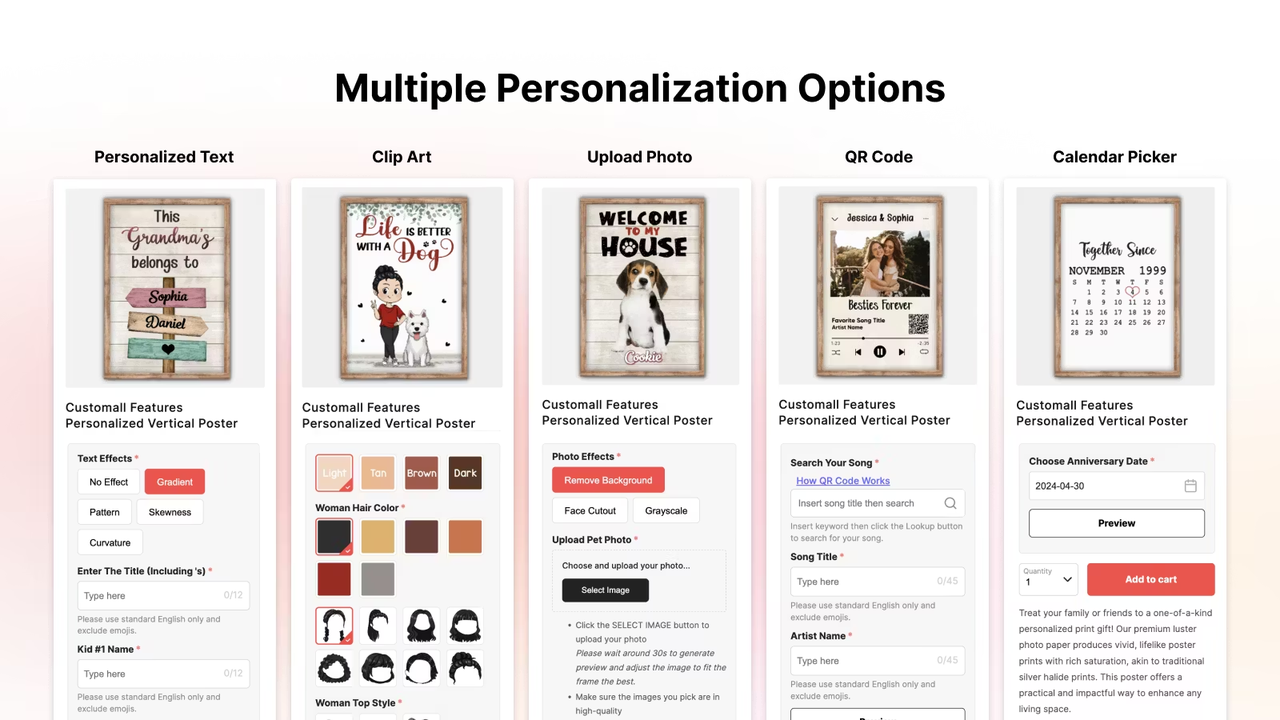
Shoplazza supports POD through Customall, which connects your store to leading print-on-demand providers including Printify, Printful, Dreamship, Printway, and Gearment. Customall also allows customers too add custom text, upload their own photos, or choose from clipart directly on the product page. It also auto-generates crossword-style layouts when customers enter multiple names, one of the more unique personalisation features available in the market.
Blank activewear suppliers for brands that lead with fit and fabric
This path is rarely discussed in general ecommerce guides, but it is one of the most practical options for activewear specifically. Blank activewear suppliers sell unbranded, performance-grade garments in small quantities. You apply your own branding through screen printing, embroidery, or heat transfer, and the result feels genuinely premium without the commitment of a full private label run.
AS Colour, an Australia-based supplier with a solid performance range, and wholesale distributors like C2 Performance offer minimum orders as low as 20 to 50 units per style. That is enough to photograph the product, test whether it sells, and establish your visual identity before placing a larger order.
For brands targeting the Pilates and yoga woman or the athleisure everyday woman — audiences who care about how something fits and feels on the body — this path produces a more credible product than POD at a still-manageable upfront cost. Start with two or three styles, validate them with real sales, then scale what works.
How to build an activewear brand identity that stands out in Australia?
Activewear is one of the most visually saturated categories in ecommerce. A deliberate visual direction is not optional in this category. It is the first thing that tells a potential buyer whether this brand is for them. Here is how to build one without a design team or a studio budget.
Choose a visual direction for your activewear brand
Your visual direction is not just a color palette. It is the immediate signal you send about who the brand is for and what kind of movement it belongs to. In a scroll environment — whether that is Instagram, TikTok, or a product page — buyers make that decision in under two seconds.
Three visual directions dominate the Australian activewear market, each with a distinct audience:
- Black and neon (electric blue, lime green, electric pink). This reads as performance culture. It attracts buyers who take their training seriously, are gym-heavy, and want activewear that signals effort. Best match: performance gym girls and strength training audiences aged 18-28.
- Earth tones and minimal (sand, clay, sage, warm white, oat). This reads as lifestyle-first. It attracts buyers who want activewear that looks intentional outside the gym as well as in it. Best match: Pilates and yoga women, athleisure everyday women aged 25-40.
- Bright coral, bold pink, sky blue. This reads as fun and sport-forward. It attracts younger buyers and team sport participants who want energy and colour without taking themselves too seriously. Best match: teen girls, recreational sport participants, netball and gymnastics audiences.
Once you choose a direction, commit to it. Every product image, every Instagram post, every email header should sit within the same color system. Consistency in activewear branding builds recognition far faster than posting great individual pieces with no visual logic connecting them.
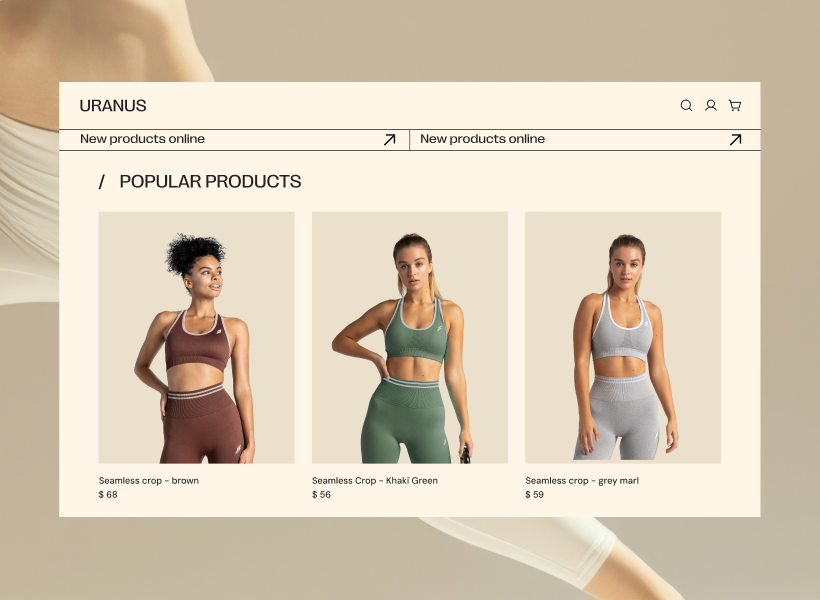
If you are not sure where to start, Shoplazza's AI Store Builder can help you visualise it. Describe your direction in plain language, like "I want a activewear online store in earth tones, sand and clay palette, minimal and lifestyle-first", and the AI generates a complete store designs based on that brief. You can see exactly how your brand direction translates into a real storefront before committing to anything.
Get activewear product photos without a studio or a model
Activewear photography has a higher bar than most clothing categories. Buyers want to know how leggings look during a squat, how a sports bra sits under movement, and whether the fabric matches the description. A flat lay on a white background rarely answers those questions.
Here is how to solve the product photo problem at each stage:
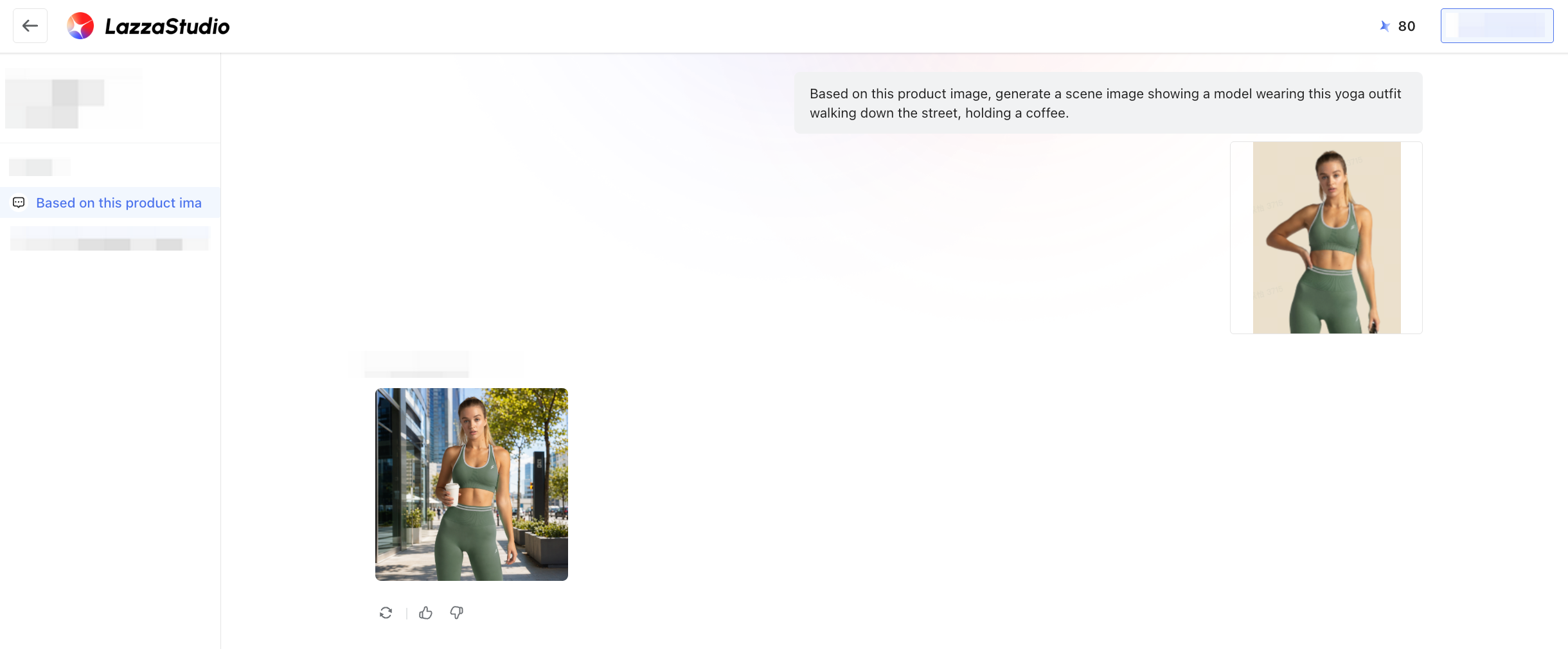
- If you are dropshipping: Supplier images exist but are shared with every other seller using the same catalog. Upgrade those images. You can add gym, outdoor, or studio backgrounds, generate lifestyle context shots, and apply a consistent visual treatment that matches your brand direction.
- If you are using POD: Mockups are generated automatically when you create a listing. Most platforms now offer on-body mockups that show the garment being worn, which significantly outperforms flat lays for activewear conversion.
- If you have physical samples: Wear them and film yourself working out, stretching, or simply going about your day. Founder-worn content performs extremely well for activewear on TikTok and Instagram Reels because it answers the movement question directly and builds trust in a way that polished studio photography cannot.
For your store itself, LazzaStudio is built specifically for ecommerce product imagery. It does not require a professional photo as input — a plain white background shot, an unedited snapshot, or a rough reference image is enough. Upload your product image and the tool generates lifestyle scenes, creative backgrounds, and on-brand visuals at commercial quality. Output is at 2K or 4K resolution and meets the creative specs for Meta and TikTok ad placements, so the same assets work across your product pages and paid social campaigns without additional editing. The result is a consistent, professional product library built without a studio booking or a model fee.
How to get your first activewear customers in Australia?
The path to your first activewear sale is more direct than most new brands realise, because your buyers are already gathering in communities you can find and engage with today.
Fitness communities are your first marketing channel
This is the part of activewear marketing that is genuinely different from selling general clothing. Your target buyer is not just a demographic — she is a member of an identifiable community that meets in specific places at specific times. That is an advantage you should use.
- Local gym and studio partnerships. Approach Pilates studios, CrossFit boxes, yoga studios, and boxing gyms in your city. Offer to provide a few pieces for instructors to wear during class in exchange for a mention to their members. A Pilates studio with 80 regular members who trust their instructor's taste is more valuable than 5,000 Instagram followers who have no relationship with your brand.
- Fitness instructors as micro-influencers. Australian fitness instructors with 5,000 to 30,000 followers regularly work with small brands through gifting arrangements — one set in exchange for a Reels post. Their audiences are highly engaged and actively interested in what their favourite instructor wears during training.
- Team sport communities. Gymnastics, netball, and basketball are among the most funded and participated youth sports in Australia. Sponsoring a local junior netball team or gymnastics club with branded training gear is a low-cost way to get your brand in front of a highly targeted audience of parents and young athletes. The cost is a few sets of clothing. The visibility is a full season.
- Running clubs. Parkrun events happen every Saturday morning across Australia and attract thousands of participants weekly. Many running communities actively seek out local and independent brands to support.
The content strategy that works for activewear on TikTok and Instagram in Australia
Activewear content works differently from general fashion content. The most effective formats are the ones that answer the questions buyers actually have before purchasing:
- Movement videos. Show the product during exercise — squats, stretches, HIIT movements. This directly addresses the fit and fabric questions that drive returns when left unanswered. A 15-second video of you doing squats in the leggings tells a buyer more than ten product photos.
- Gym-to-lifestyle transitions. Show the outfit moving from a training context to an everyday context. This is the visual proof of the gym-to-lifestyle value proposition that drives the Australian athleisure market.
- Founder story content. "I started this brand because I couldn't find activewear that fit my body / suited my lifestyle / didn't cost $180" performs extremely well in the Australian market. Local buyers have a genuine affinity for homegrown brands when the story is real.
- Season-aligned content. The Australian summer runs from November to February — that is when outdoor training, beach workouts, and summer sport content peaks. Your pre-season content push should start in September. Winter (June to August) is when gym memberships surge, which is your window for indoor training-focused content and promotions.
Key things to know before selling activewear online in Australia
Beyond sourcing and marketing, a few Australia-specific legal and practical realities apply specifically to activewear. Most new sellers discover these through a complaint rather than through preparation.
- Performance claims carry legal risk. If your product page says "UPF 50+ sun protection," "moisture-wicking technology," or "compression support," the ACCC expects those claims to be substantiated by evidence. UPF 50+ claims in particular require laboratory test certification — the fact that your supplier told you the fabric has UPF protection is not sufficient. Ask for documentation before publishing the claim, or do not publish the claim at all.
- Care labelling is mandatory. Under the Consumer Goods (Care Labelling) Information Standard 2023, all clothing sold in Australia must have permanent care labelling instructions attached. Activewear from overseas suppliers should be checked for compliance before listing. Non-compliant products can be recalled by the ACCC.
- Size-inclusive claims need to match reality. If your brand describes itself as "inclusive sizing" but only offers XS to XL, that gap between claim and reality can constitute misleading conduct under ACL. If you use inclusive language in your branding, make sure your actual size range reflects it.
- ACL applies to every transaction. You cannot write "No Refunds." Under Australian Consumer Law, customers are entitled to a remedy when a product does not match its description. An accurate size guide and honest fabric descriptions are your best protection against disputes — and your best tool for reducing returns before they happen.
- ABN and GST. Register for an ABN at abr.gov.au before accepting your first payment — it is free and takes minutes. GST registration is mandatory once your annual turnover reaches $75,000 AUD.
Conclusion
Selling activewear online in Australia comes down to one thing: knowing exactly who you are building for. Pick a specific audience, match your visual direction to her world, and show up consistently in the communities she already belongs to. Shoplazza gives you the tools to move fast — the AI Store Builder gets your store live, LazzaStudio handles your product imagery, and Athena runs your backend as you scale. The market is growing. Your niche is waiting.
Frequently asked questions about selling activewear online in Australia
Q: Do I need to stock inventory to sell activewear online in Australia?
No, but the right model depends on what you are selling. Print-on-demand works well for graphic-driven activewear with no upfront cost, and blank activewear suppliers let you start with small quantities — as low as 20 to 50 units — to test fit and fabric before scaling. Dropshipping is viable for accessories and relaxed-fit styles, but requires careful product selection to manage return rates in fit-sensitive categories like compression leggings.
Q: What activewear niche has the least competition in Australia?
Four sub-categories are genuinely underserved: size-inclusive activewear designed from the ground up for larger bodies, teen girls' sport apparel for netball, gymnastics, and swimming, post-workout and recovery wear sitting between activewear and loungewear, and combat sports lifestyle apparel for Muay Thai and jiu-jitsu communities. Each has real, documented demand and limited independent brand competition in the Australian market.
Q: Can I make performance claims like "UPF 50+" on my activewear products?
Only if you have documentation to back the claim. The ACCC treats performance claims as factual statements, and UPF 50+ specifically requires laboratory test certification. Ask your supplier for the test report before publishing the claim on your product page. If you cannot verify it, do not use it — a vague claim like "sun-protective fabric" is safer than a specific claim you cannot substantiate.
Q: How do I get my first activewear sales in Australia without a social media following?
Start with fitness communities rather than social media. Approach local Pilates studios, yoga teachers, CrossFit gyms, and junior sport clubs in your city. Offer product in exchange for visible wear and a genuine mention. One studio instructor wearing your set during a class they teach three times a week reaches the exact audience you are targeting, at a cost of one or two pieces of clothing. That is a more efficient path to your first sale than building a following from zero.
Q: What is the best platform to sell activewear online in Australia?
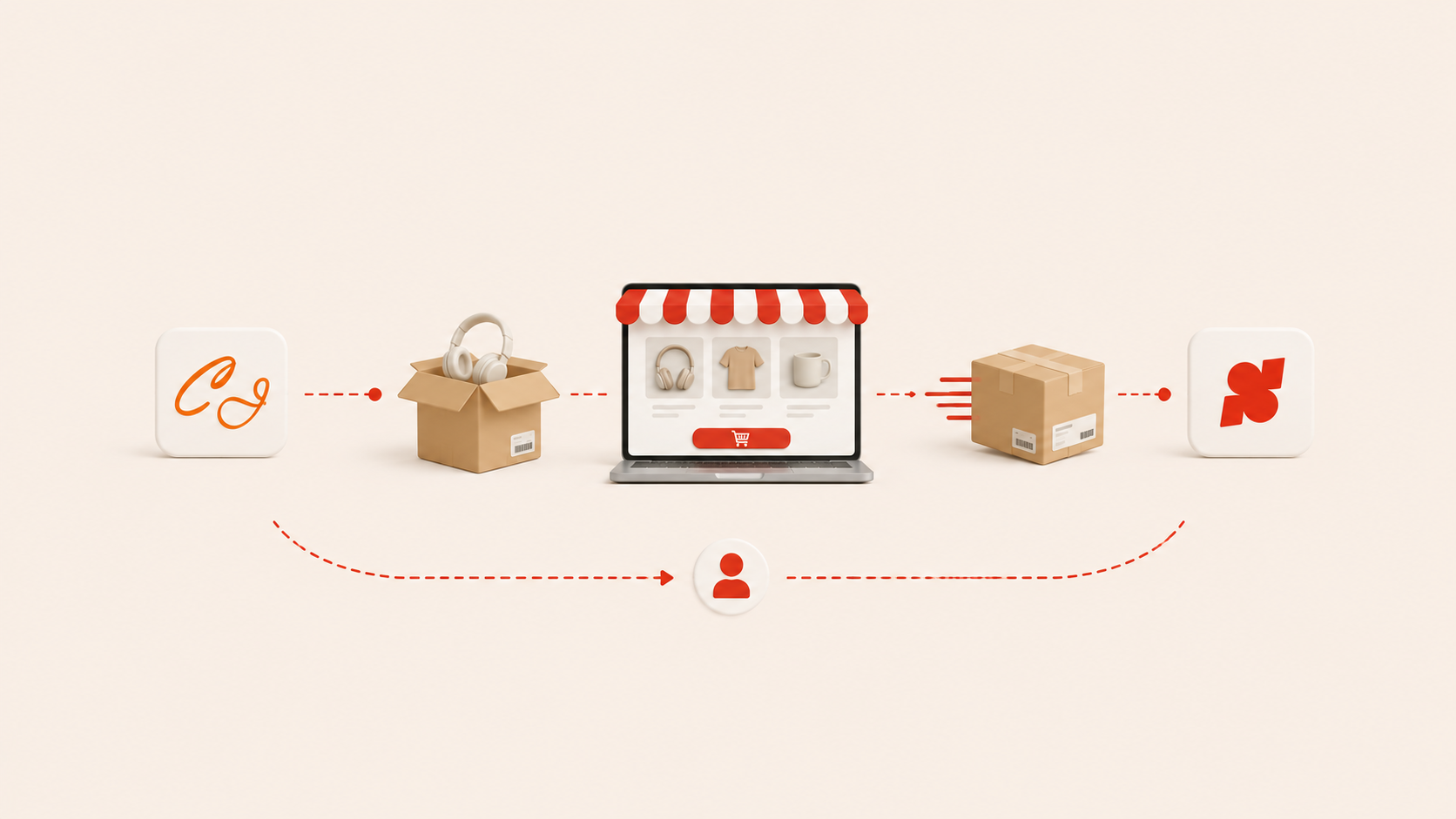
The platform needs to handle supplier integrations for POD or dropshipping, payment methods that Australian buyers actually use (including Afterpay, which has particularly high adoption in the activewear category), and a mobile checkout that does not lose buyers at the final step. Shoplazza covers all three natively — with integrations for Customall, CJdropshipping, and other suppliers, Shoplazza Payments supporting 180-plus payment methods across 180-plus countries, and an AI Store Builder that gets a branded activewear store live in under an hour without coding.